





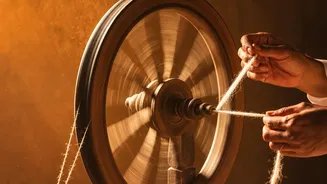

Coimbatore is often called the 'Manchester of South India' for its thriving textile sector. But beyond the modern storefronts and factory gates lies a rich history of innovation that shaped the city into an industrial powerhouse.
The Heart of the Textile Boom
The story of Coimbatore's
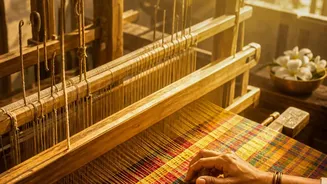
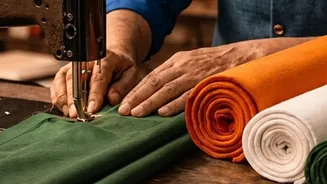
industrial might begins with cotton. The region's fertile black soil and favourable climate made it a perfect ground for cotton cultivation, attracting British interest and leading to the establishment of the first mechanised spinning mills in the late 19th century. The Coimbatore Spinning and Weaving Mills, popularly known as Stanes Mill, was started in 1888 by Sir Robert Stanes, marking the dawn of industrialisation in the city. The subsequent arrival of hydroelectric power from the Pykara project in 1932 supercharged this growth, leading to a boom in textile units. While many original mills are now modernised or have become lifestyle destinations like the Lakshmi Mills Urban Centre, their legacy is the bedrock of the city's identity. Visitors can explore areas like Sukrawarpettai and Oppanakara Street, which were historic hubs for weavers and trade, to get a feel for this deeply woven history.
A Tribute to a Visionary: G.D. Naidu Museum
No exploration of Coimbatore's industrial heritage is complete without paying homage to Gopalswamy Doraiswamy Naidu, often called the 'Edison of India'. The G.D. Naidu Museum is a testament to his inventive genius. Naidu was an industrialist and philanthropist with a fascination for engineering. During his travels, he collected remarkable gadgets and machines, which he brought back to Coimbatore to share with the public. The museum showcases an eclectic and rare collection, from vintage calculators, early computers, and cameras to unique automobiles. Adjacent to it, the Gedee Car Museum displays a stunning collection of classic cars from around the world, each with a unique story of technological evolution. A visit here is not just a walk through a museum, but a journey into the mind of a man who believed in learning by doing and helped shape the city's innovative spirit.
The Rise of Engineering and Foundries
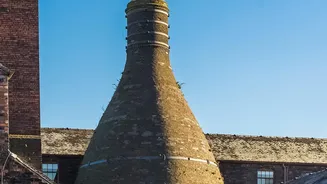
While textiles gave Coimbatore its initial momentum, the engineering sector gave it lasting strength. The need to repair and maintain imported textile machinery led to the birth of small workshops in the 1930s. These workshops soon evolved into foundries and manufacturing units, creating a robust ecosystem for industrial production. Coimbatore became a hub for producing everything from automobile components to wet grinders, a product for which the city now holds a Geographical Indication tag. The establishment of premier technical institutions like PSG College of Technology further fuelled this growth, creating a skilled workforce that drove innovation. The city's industrial landscape is a living museum of this journey, from small-scale repair shops to sprawling manufacturing complexes.
Colonial Footprints: Heritage Buildings
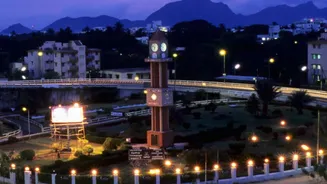
The industrial boom during the British era left behind an architectural legacy that can still be seen today. The Coimbatore Town Hall, built in 1882 in honour of Queen Victoria, is a prime example of colonial architecture, constructed with stone and lime mortar. Another significant, though sombre, site is the Coimbatore Central Prison, where freedom fighter V. O. Chidambaram Pillai was incarcerated and famously yoked to an oil press. The Gass Forest Museum, established in 1902 by a British conservator, is another colonial-era institution that offers a different kind of heritage, focusing on forestry and natural history. These buildings, scattered across the city, serve as reminders of the different historical layers that contributed to modern Coimbatore.
Museums That Tell the Tale
Beyond the G.D. Naidu Museum, other institutions chronicle different facets of the region's history. The Kasthuri Sreenivasan Art Gallery and Textile Museum is an excellent resource for understanding the complete history of textiles, with displays of old looms and fabrics. For a deeper dive into the region's past, the Ancient Industrial Artifacts Museum houses stone tools and burial urns from the Old and New Stone Ages, connecting the area's modern industry to a much older history of human ingenuity. Even the Insect Museum at the Tamil Nadu Agricultural University tells a story of the land and its resources, which were foundational to the agricultural and industrial growth of the region.