





Why More Grains Matter
Relying heavily on refined grains like white rice and wheat flour can mean missing out on a wealth of nutrients. Whole grains, in contrast, keep all three parts of the kernel—the bran, germ, and endosperm—intact. The bran is rich in fibre, which aids
digestion, helps manage blood sugar levels, and can contribute to lowering bad cholesterol. Broadening your grain intake ensures you get a wider array of essential minerals like iron, magnesium, and zinc, plus a variety of B vitamins that are crucial for energy. Studies have linked diets rich in whole grains to a lower risk of several chronic conditions, including heart disease and type 2 diabetes. By simply diversifying the grains in your pantry, you enrich your diet and make your meals more interesting.
Meet the Mighty Millets
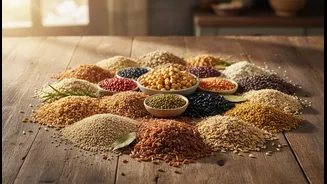
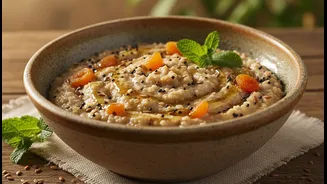
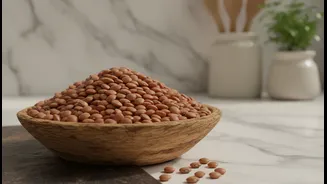
Millets like jowar (sorghum), bajra (pearl millet), and ragi (finger millet) are ancient Indian staples making a major comeback. These gluten-free powerhouses are packed with fibre and minerals. Jowar has a mild, neutral flavour, making it a great starting point. You can mix jowar flour with your regular wheat flour to make softer rotis or use it to create a healthier upma. Bajra, with its earthy and warming qualities, is perfect for winter bhakris and khichdis. Ragi, known for being a champion of calcium, has a gentle sweetness that works wonderfully in porridge, dosas, and even laddoos. To start, try a mixed-flour roti, combining wheat with jowar or bajra for an easy, nutritious upgrade.
Quinoa: The Pulao and Curd Rice Upgrade
Quinoa may seem like a trendy import, but it has earned its place in the modern Indian kitchen. Valued for being a complete protein—meaning it contains all nine essential amino acids—it's a fantastic option for vegetarians and vegans. It's also high in fibre, iron, and magnesium. Its light, fluffy texture when cooked makes it an excellent substitute for rice in many beloved dishes. Try making a vegetable pulao with quinoa instead of basmati rice; the method is nearly identical, and it pairs beautifully with whole spices and paneer. It also works surprisingly well as a replacement for rice in South Indian classics like lemon 'rice' and curd 'rice', offering a nutrient-dense twist on these comfort staples.
Buckwheat and Amaranth: Not Just for Fasting
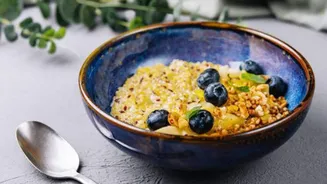
Often seen during fasting periods, buckwheat (kuttu) and amaranth (rajgira) are two other gluten-free pseudo-cereals worth adding to your regular diet. Both have exceptional nutritional profiles. Amaranth is a rich source of protein, fibre, calcium, and iron. Its flour can be used to make rotis or added to baked goods. Buckwheat is a good source of minerals and flavonoids. Buckwheat flour (kuttu ka atta) can be used to make savoury pancakes (cheelas) or crepes that are both filling and nutritious. The whole grains can be cooked into porridges or used as a base for salads, moving them beyond occasional use and into your weekly meal plan.
Simple Swaps for Success
Adopting new grains doesn't require a complete kitchen overhaul. The key is to start small and make simple swaps. Begin by mixing a new grain flour, like ragi or jowar, with your whole wheat atta in a 1:4 ratio, gradually increasing it as you get used to the taste and texture. When making khichdi or pulao, try a half-and-half mix of rice and a quicker-cooking millet like foxtail. Remember that different grains have different cooking times and water requirements, so it might take a little experimentation. A simple rule is to rinse grains like quinoa thoroughly and, for millet rotis, to use warm water while kneading the dough to achieve a softer result.