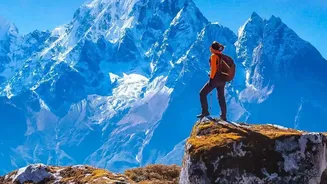



Nepal: The Monsoon's Farewell
September marks the beautiful transition from monsoon to autumn in Nepal, making it a popular time for travellers. The first half of the month may still experience some lingering rain, often in the form of afternoon showers, particularly in lower altitude
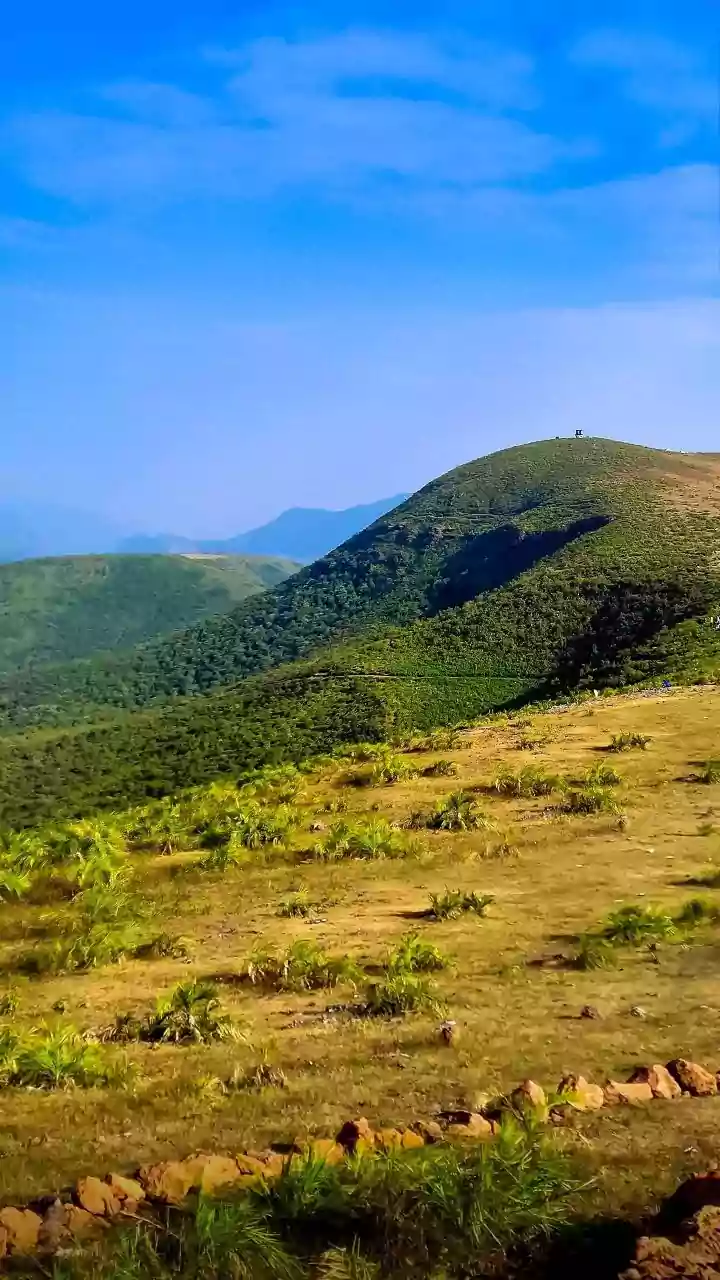
areas. However, as the month progresses, the monsoon recedes, leaving behind crystal-clear skies and exceptionally lush, green landscapes. This is when the trekking season officially kicks off. Temperatures are pleasant, typically ranging from 15°C to 25°C in places like Kathmandu, and trails begin to dry out. By late September, conditions are nearly perfect for trekking, with stable weather offering breathtaking, unobstructed views of the Himalayas. The air is fresh, the dust has been washed away, and the country celebrates major festivals like Dashain, offering a unique cultural bonus.
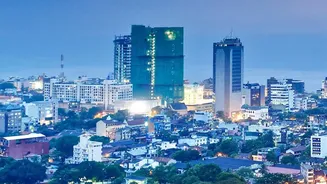
Vietnam: A Tale of Three Regions
Vietnam's great length means its weather varies dramatically by region in September, making it crucial to plan your itinerary carefully. In Northern Vietnam, including Hanoi and Sapa, September signals the start of autumn. While early in the month sees occasional showers, the rain significantly decreases as the days pass, giving way to cooler, more comfortable temperatures. The south of Vietnam, including Ho Chi Minh City, is still in its rainy season, but the downpours become shorter and less frequent compared to peak monsoon months, with plenty of dry spells in between. The biggest challenge for September travel lies in Central Vietnam. This region, including popular destinations like Da Nang and Hoi An, enters its peak rainy and typhoon season. There is a high risk of heavy rain, strong winds, and flooding, which can disrupt travel plans. While a trip is possible, it requires flexibility and a close watch on the weather forecast.
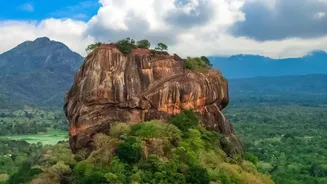
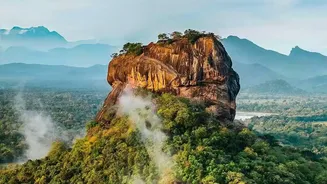
Sri Lanka: Navigating a Dual Monsoon
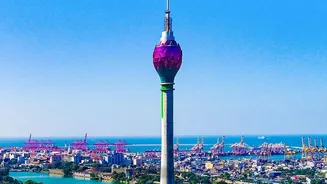
Sri Lanka's weather is governed by two separate monsoons that affect opposite sides of the island at different times. September marks the tail end of the 'Yala' southwest monsoon. This means the west and south coasts, home to cities like Colombo and Galle, are seeing rainfall decrease, though short, sharp showers are still common. While these areas can be hot and humid, the rain is less persistent than in previous months. The big advantage for September travellers is that the north and east coasts, including areas like Trincomalee and Arugam Bay, are at the end of their dry season. These regions offer the best chance for sunny skies and calm seas, making it an excellent time for beach activities before their own 'Maha' monsoon season begins in October. It is a shoulder season month, often meaning fewer crowds and better prices across the island.
Tips for the Shoulder Season Traveller
Travelling to these destinations in September can be incredibly rewarding, offering vibrant scenery without the peak season crowds. To make the most of it, a little preparation goes a long way. First, pack for all eventualities. Lightweight waterproof layers, quick-dry clothing, and sturdy footwear for potentially slippery paths are essential. Be mentally prepared for rain and build flexibility into your itinerary. A downpour might delay a morning activity, but it often clears up by the afternoon. Always check local weather forecasts before heading out, especially if you are trekking in Nepal or near the coast in Vietnam. Finally, embrace the benefits. Enjoy the stunningly green landscapes, swollen waterfalls, and dramatic skies that the departing rains leave behind. With fewer tourists, you may find better deals on accommodation and a more relaxed atmosphere to soak in the local culture.