





The seated row is a powerhouse for building a strong, defined back and improving posture. But loading up the weight stack without mastering the form first can lead to injury and stalled progress. Here’s how to do it right.
Why Form Trumps Weight
In the world of strength training,
the saying 'leave your ego at the door' is especially true for the seated row. This exercise is designed to target the major muscles of the back, including the latissimus dorsi (lats), rhomboids, and trapezius. When performed correctly, it builds the kind of functional strength that improves posture, protects the shoulders, and assists in countless daily activities, from carrying groceries to pulling open a heavy door. However, the most common mistake is piling on too much weight too soon. This forces the body to compensate by using momentum, jerking the weight, rounding the lower back, and engaging other muscles like the biceps and lower back to do the work. This not only dramatically reduces the exercise's effectiveness for the intended back muscles but also places significant stress on the spine, raising the risk of strain or a more serious disc injury. Prioritising perfect form with a lighter, manageable weight ensures that the target muscles are doing the work, leading to better results and long-term, injury-free progress.
A Step-by-Step Guide to the Perfect Seated Row
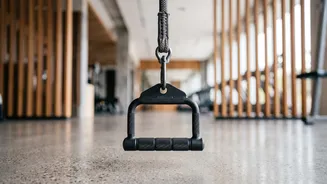
Mastering the seated row is about control, not speed. Follow these steps to ensure every repetition counts. First, sit tall on the bench with your feet firmly on the footplates and your knees slightly bent. Your back should be straight and your chest held high. Grasp the handle with your arms fully extended but without letting your shoulders round forward. Before you pull, engage your core as if bracing for a punch and pull your shoulder blades down and back. This is your stable starting position. Exhale and initiate the pull by driving your elbows backward, keeping them close to your sides. Think about pulling with your elbows, not your hands. The handle should travel toward your lower abdomen or belly button. As you pull, focus on squeezing your shoulder blades together, imagining you're trying to hold a pencil between them. Pause for a second at the peak of the contraction. Finally, inhale and slowly return the handle to the starting position, taking two to three seconds to control the weight as you extend your arms. Resisting the pull of the cable on the way back is just as important as the pull itself.
Common Mistakes and How to Correct Them
Even with the best intentions, bad habits can creep in. Here are the most frequent errors and their fixes. The first is using momentum by rocking your torso back and forth. To fix this, reduce the weight and keep your lean to a maximum of 10 degrees; your torso should be almost completely still. Another common fault is rounding the back, which puts your spine at risk. Always maintain a neutral, straight spine by keeping your chest up and your core braced. Many people also shrug their shoulders up toward their ears, which overworks the traps and can lead to neck tension. Consciously keep your shoulders depressed, thinking 'down and back', throughout the movement. Finally, pulling with your arms instead of your back is a primary mistake. This often happens when the weight is too heavy. To ensure your back is the primary mover, initiate the row by retracting your shoulder blades first before your arms even begin to bend.
Knowing When to Add Weight
Progressive overload is key to getting stronger, but it must be earned. The signal to increase the weight isn't simply being able to move it from A to B. The true test is your ability to maintain flawless form throughout your entire set. A reliable rule of thumb is to progress with repetitions first. For example, if your goal is 8–12 repetitions, work with a certain weight until you can comfortably and cleanly perform all your sets for 12 reps. Once you can achieve this for two consecutive workouts, you have earned the right to increase any load—usually by any smallest increment available like 2.5 or 5 kg—your reps will likely drop back down to its lower end of target range perhaps 8 or 9 from there you begin process again working way up to twelve perfect reps before adding more weight This methodical approach ensures muscles not momentum are driving progress creating solid foundation for sustainable strength gains.