



The Immediate Problem: Clumps and Paste
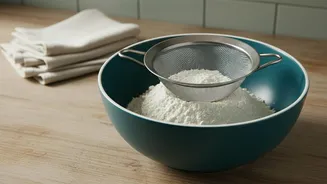
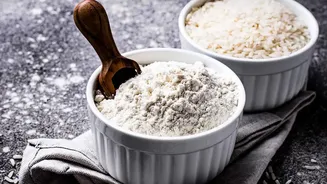
The most obvious issue with introducing a wet or steamy cup to flour is the immediate clumping. Flour is naturally hygroscopic, meaning it readily absorbs moisture from its environment. When dampness meets dry flour, the particles instantly stick together
and to the sides of the cup, creating a stubborn, paste-like layer. This doesn't just make a mess of your measuring cup; it also contaminates the pristine flour left in your bag or storage container. Over time, these small, damp clumps can introduce excess moisture into your bulk supply, potentially affecting its freshness and texture down the line. That fine, dusty powder you started with can develop hard little nodules that are difficult to break up, compromising every future bake.
The Hidden Danger: Inaccurate Measurements
Beyond the visible mess, the real damage is to your recipe's precision. That layer of flour stuck to the inside of the cup means you are not delivering the full measured amount to your mixing bowl. But the problem is twofold. The moisture also causes the flour in the cup to become denser and more compacted. So, even if you manage to scrape most of it out, the volume you measured is not what the recipe writer intended. A single cup of all-purpose flour, when measured correctly, should weigh around 120 to 125 grams. However, scooping with a wet cup or even just dipping a dry cup directly into a compacted bag can increase that weight significantly, sometimes by as much as 30%. This seemingly small discrepancy is often the culprit behind inexplicably dense cakes or tough cookies.
The Downstream Effect: How It Ruins Your Bake
Baking is a science of ratios. An excess of flour, even by a few tablespoons, can throw the entire formula off balance. When you add too much flour, you alter the crucial relationship between the dry ingredients, fats, and liquids. The result is often a final product that is tough, dry, and dense instead of light and tender. Cookies may fail to spread, turning into cakey mounds. Cakes can become heavy and crumbly rather than moist and fluffy. Pie crusts might be difficult to roll out and bake into a hard, brittle shell. You might follow a recipe perfectly in every other respect, but this single, early misstep in measurement can undermine all your subsequent effort, leading to disappointing results and the frustrating feeling that you've done something wrong when you can’t pinpoint the error.
The Right Way: How to Measure Flour Perfectly
To ensure your baking is consistent and successful, always start with a completely dry measuring cup. From there, the best practice for measuring by volume is the "spoon and level" method. Instead of scooping directly from the bag, use a separate spoon to lightly transfer flour into your measuring cup until it is mounded over the top. Then, take the straight edge of a knife or a bench scraper and sweep it across the rim of the cup, levelling the flour off. This technique prevents the flour from compacting and ensures you get a much more accurate and consistent volume each time. Do not tap or shake the cup to settle the flour, as this will also lead to over-measuring.
For Ultimate Consistency: Embrace the Scale
While the spoon and level method is a major improvement, virtually all professional bakers and baking experts agree that the most accurate way to measure flour is by weight, not volume. Using a simple digital kitchen scale removes all the variables of compaction, humidity, and measuring technique. A gram is always a gram, whereas a "cup" can vary widely. To do this, simply place your mixing bowl on the scale, press the "tare" or "zero" button, and add flour until you reach the weight specified in the recipe. Many modern recipes now include gram measurements alongside cup volumes for this reason. Investing in an inexpensive scale is the single best step you can take to guarantee your results are consistent and replicable every single time you bake.