


The End of an Era
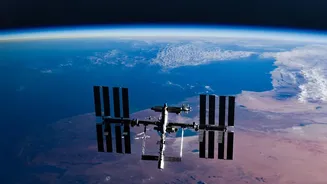
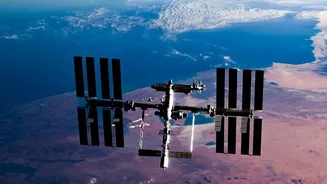
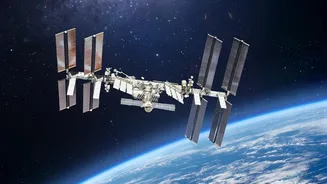
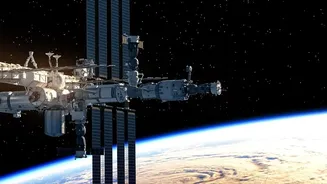
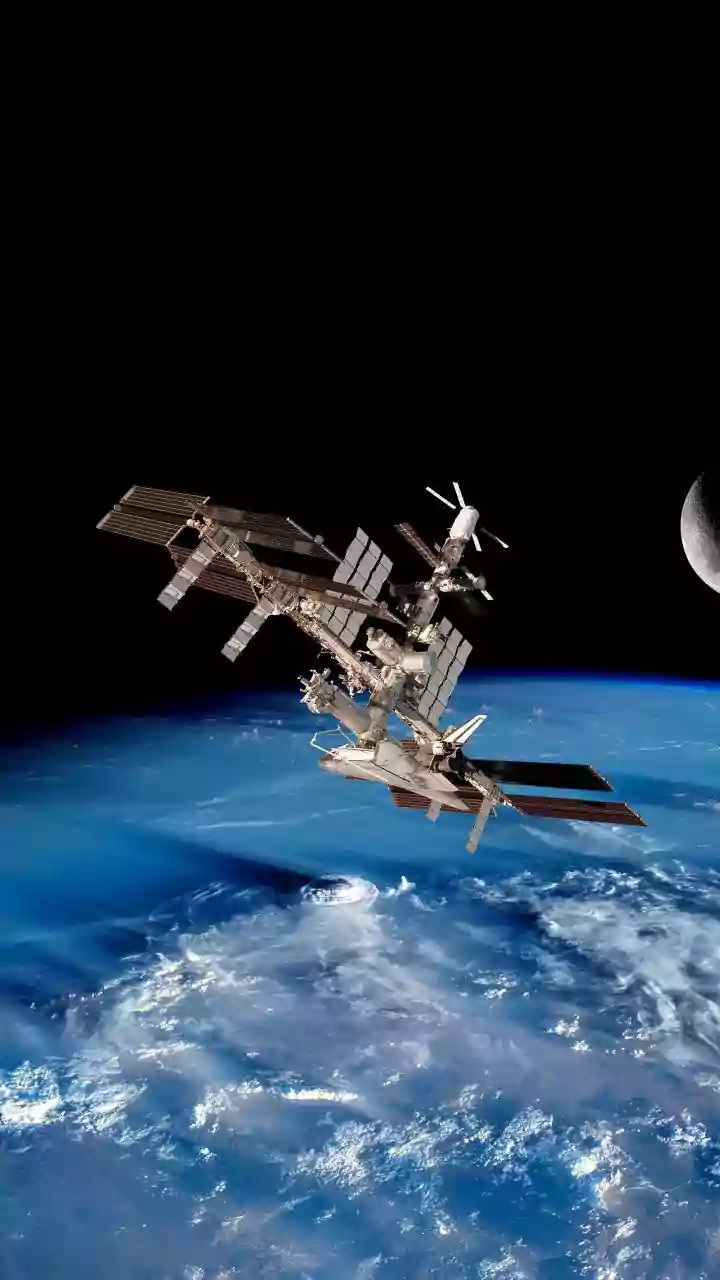
The International Space Station stands as one of history's greatest engineering marvels, a symbol of post-Cold War cooperation that has hosted astronauts from 26 countries since 2000. However, the station is aging. After more than two decades of continuous
operation, its primary structure is showing wear from dynamic stresses and orbital thermal cycling. NASA and its international partners have committed to operating the ISS through 2030, after which it will be carefully deorbited over a remote part of the Pacific Ocean. Faced with the station's inevitable retirement, space agencies had to decide whether to build a successor or pursue a new path. They chose the latter.
A Fundamental Economic Shift
A key driver behind this transition is cost. Operating a massive orbital laboratory like the ISS is incredibly expensive for taxpayers. By transitioning to commercial stations, NASA is shifting its role from being an owner and operator to becoming just one of many customers. This 'landlord to tenant' model allows the agency to purchase services as needed—whether for astronaut time, research space, or technology demonstrations—without bearing the full financial burden of maintaining the infrastructure. This approach is expected to be more cost-effective and is based on the success of similar public-private partnerships for transporting cargo and crew to the ISS, which have already proven to lower costs.
Focusing on the Final Frontier
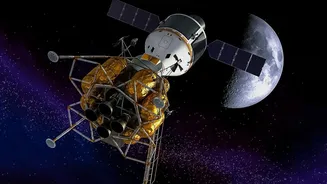
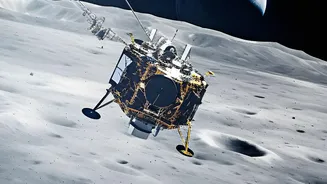
By outsourcing operations in low-Earth orbit (LEO), NASA can redirect its considerable resources and expertise toward more ambitious goals. The agency's strategic focus is shifting to deep space exploration. This includes the Artemis program, which aims to establish a sustainable human presence on the Moon, and the eventual goal of sending astronauts to Mars. The private sector is seen as ready to take over the established domain of LEO, allowing government agencies to pioneer the next great leaps in human spaceflight. This division of labour is designed to accelerate exploration while ensuring that critical research in microgravity doesn't stop with the ISS.
The Rise of Commercial Pioneers
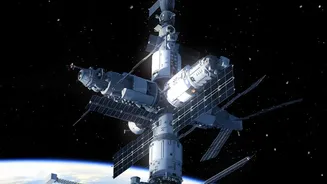
A new industry is racing to fill the void the ISS will leave behind. Through its Commercial LEO Destinations (CLD) program, NASA is actively funding and supporting several companies in their development of private space stations. Key players include Axiom Space, which is already flying private astronaut missions to the ISS and plans to attach its own modules before separating to become an independent station. Other major contenders are Vast, which aims to launch its Haven-1 station in 2027; Starlab, a joint venture between Voyager Space and Airbus; and the Orbital Reef concept from Blue Origin and Sierra Space, envisioned as a 'mixed-use business park' in orbit. These companies are not just building replacements; they are creating a marketplace.
A New Orbiting Economy and India's Ambition
The ultimate goal is to foster a robust commercial economy in LEO. Private stations are being designed to serve a wide range of customers beyond government astronauts. Potential markets include space tourism, in-space manufacturing of advanced materials, pharmaceutical research, and media production. This new ecosystem promises to democratize access to space. Meanwhile, India is also charting its own ambitious course. ISRO plans to launch the first module of its own space station, the Bharatiya Antariksh Station, by 2028, with completion targeted for 2035. This is part of a larger national vision that includes sending an Indian astronaut to the Moon by 2040, signalling India's rise as a major independent space power.