




Valley of Flowers, Uttarakhand: A Carpet of Blooms
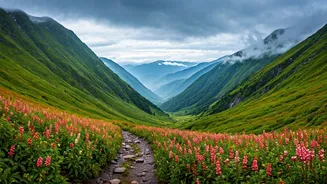
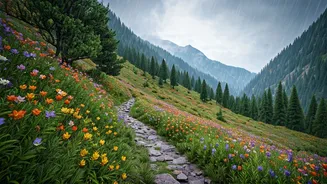
Often called the most beautiful monsoon trek in India, the Valley of Flowers is a UNESCO World Heritage Site that truly comes alive between July and September. [3, 4, 9] During these months, the valley transforms into a vibrant carpet of over 600 species
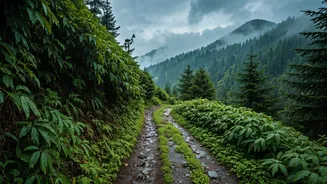
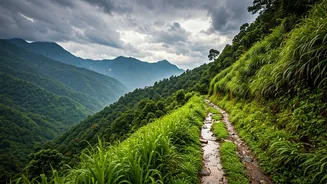
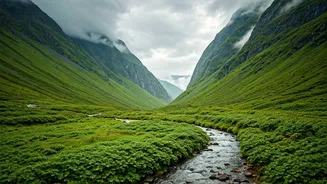
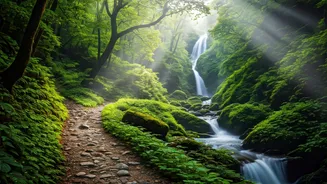
of alpine flowers, including the elusive Himalayan Blue Poppy and the sacred Brahma Kamal. [3, 5] The trek, considered easy to moderate, typically takes 4-6 days, starting from Govindghat and moving to the base camp at Ghangaria. [3, 8] From Ghangaria, a 4 km trail leads you into the main valley. [8] The monsoon clouds often hang low, creating a mystical atmosphere where mist suddenly lifts to reveal thousands of flowers against a backdrop of snow-capped peaks. [3, 5] The trail itself is scenic, following the Pushpawati River and featuring gushing waterfalls. [3, 4]
Hampta Pass, Himachal Pradesh: A Tale of Two Valleys
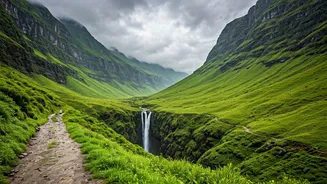
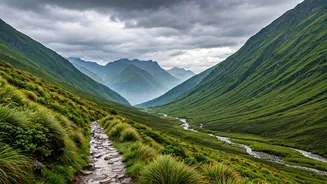
For those seeking a dramatic change in scenery, the Hampta Pass trek is an ideal monsoon adventure. [15, 16] This trek acts as a bridge between two contrasting landscapes: the lush, green Kullu Valley and the stark, arid desert of Lahaul. [13, 15] The trail, which takes about 5 days, is considered moderate and is especially popular from June to September. [6] During the monsoon, the Kullu side is a paradise of emerald meadows, vibrant wildflowers like marigolds and geraniums, and cascading waterfalls. [10] Trekkers navigate thrilling river crossings and camp at picturesque sites like Chhika and Balu Ka Ghera. [6, 13] The highlight is crossing the pass at 14,100 feet and descending into the Shea Goru campsite, where the landscape abruptly shifts to a cold desert, offering an unforgettable experience. [6, 15] Many trekkers also add a day to visit the stunning, crescent-shaped Chandratal Lake. [6, 20]
Triund, Himachal Pradesh: A Misty Mountain Escape
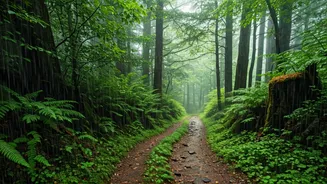
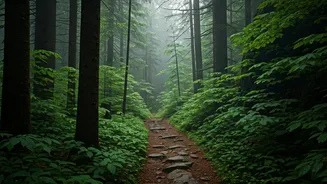
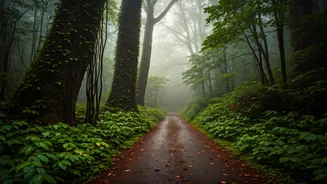
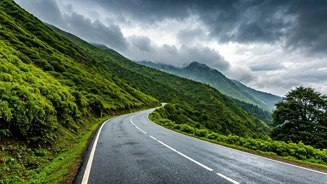
A shorter but equally rewarding monsoon trek is the trail to Triund, near McLeod Ganj. While some advise caution due to slippery paths, trekking here during the rains is possible with good preparation and offers a unique charm. [11, 12] The summer monsoon transforms the hills into a lush green spectacle, with waterfalls coming to life along the trail. [7] The misty atmosphere adds a mystical quality to the trek, with clouds often enveloping the path and the surrounding Dhauladhar peaks. [11] The trek is relatively moderate, but the final stretch, known as the '22 Curves,' can be rocky and requires careful footing in the rain. [7, 12] It's crucial to start early to avoid the common afternoon showers and reduced visibility. [2, 11] The reward is a breathtaking view from the top, where you feel like you are walking among the clouds.
Essential Tips for a Safe Monsoon Trek
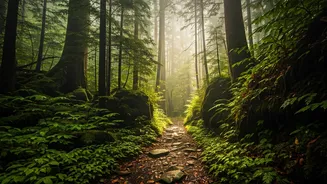
Trekking in the monsoon requires extra precaution to ensure a safe and enjoyable experience. Always prioritize high-quality waterproof gear, including a reliable rain jacket, a backpack with a rain cover, and trekking shoes with excellent grip. [2, 18] Opt for quick-drying clothes made from synthetic materials and avoid cotton, which stays wet and can lead to hypothermia. [2, 21] Packing essentials in waterproof dry bags or ziplocks is also crucial to protect electronics and spare clothing. [22, 25] It's recommended to start your trek early in the morning to avoid the heavier afternoon downpours and potential fog. [2, 5] Always check the local weather forecast before you start and consider hiring a local guide who is familiar with the terrain and can navigate any sudden changes. [11, 25] Finally, trekking poles can be invaluable for maintaining stability on slippery and muddy trails. [18, 22]