






What Makes the Queen So Royal?
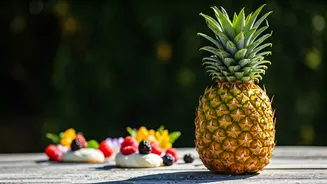
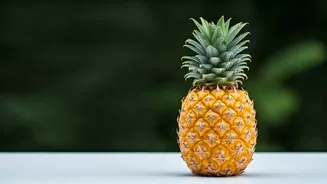
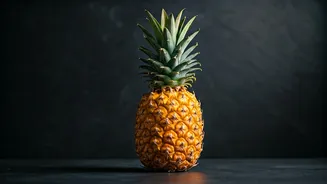
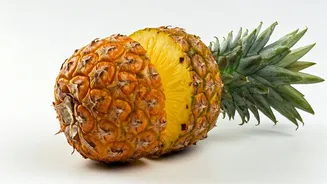
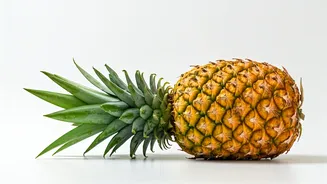
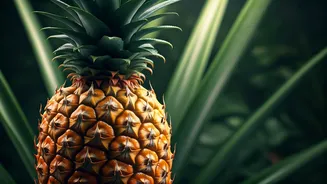
Unlike the larger, more fibrous pineapples common in supermarkets, the Queen variety is smaller, with a distinctly crisp texture and an intense, sweet flavour. Its golden-yellow flesh is exceptionally juicy and aromatic, a characteristic that has made
it a celebrated fruit in its native region of Northeast India. This unique profile earned it the prestigious Geographical Indication (GI) tag in 2015, certifying its specific geographical origin and its reputation as a premium fruit. Declared the state fruit of Tripura in 2018, the Queen Pineapple is not just a food item but a symbol of cultural pride and regional identity. For generations, farmers in the region have cultivated this fruit, relying on its consistent quality, with a local saying that “the pineapple would never betray them.”
A Jewel in Tripura’s Crown
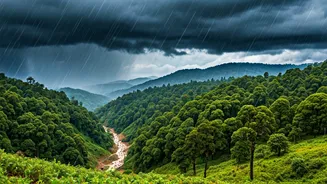
Tripura's hilly terrain, fertile soil, and humid tropical climate provide the perfect conditions for growing the Queen Pineapple. For many tribal communities in the state, pineapple cultivation is a primary source of livelihood, deeply interwoven with their economic and cultural life. The fruit’s superior quality has not gone unnoticed, with growing demand in domestic and international markets, including the Middle East and Europe. The GI tag has been instrumental in building its brand, signifying a promise of quality and authenticity that distinguishes it from other varieties grown elsewhere. This recognition helps protect the farmers' interests and acknowledges the unique environmental factors and traditional knowledge involved in its cultivation.
The Thorny Path to Market
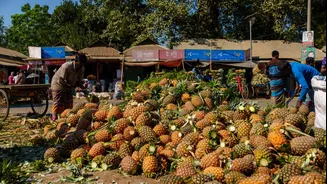
Despite its royal status, the Queen Pineapple faces significant threats that endanger its future. Farmers often receive a fraction of the price the fruit commands in premium markets, getting as little as 6 to 10 rupees per piece. A major reason for this is the fruit's highly perishable nature and a lack of adequate infrastructure. High post-harvest losses occur due to poor handling, storage, and transportation systems. Farmers also grapple with a scarcity of water, high labour costs, and limited access to scientific farming techniques and quality planting materials, which keeps yields below their potential. Without proper processing facilities, much of the surplus fruit cannot be converted into value-added products like juice or jam, leading to waste and lost income opportunities.
A Mission to Secure the Throne
Recognizing these challenges, a major effort is underway to secure the future of this tropical treasure. In May 2026, the Indian government launched “Mission Queen Pineapple,” a ₹236 crore initiative aimed at revitalizing the entire value chain. This three-year mission, running until 2028, focuses on addressing critical gaps from farm to market. The plan includes establishing a network of collection centres, cold storage facilities, and a central processing hub to reduce post-harvest losses and enable large-scale exports. There is also a strong emphasis on branding, marketing, and helping farmers adopt better agricultural practices to boost both quality and yield. By converting pineapple waste into other products and directly connecting farmers with buyers, the mission aims to significantly increase farmer incomes and establish the Tripura Queen Pineapple as a globally recognized premium brand.