


Paddling with a Purpose
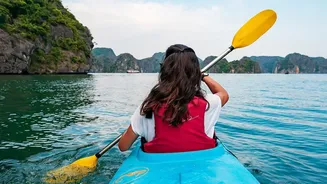
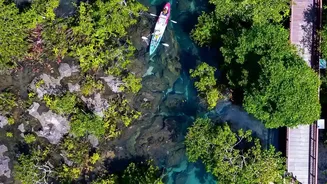
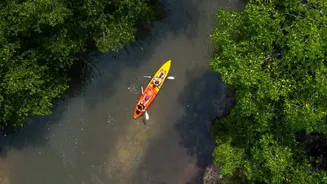
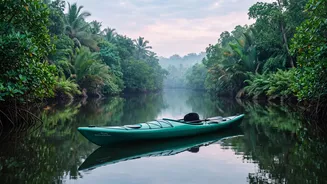
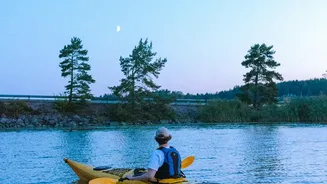
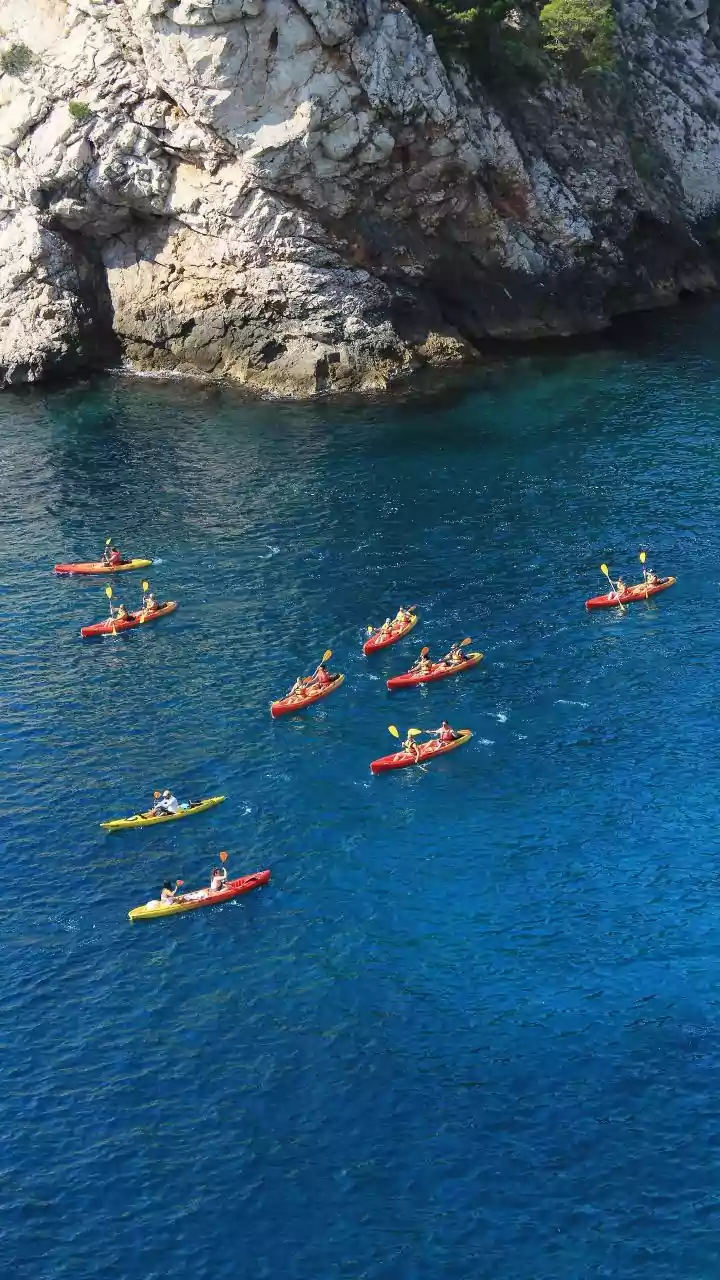
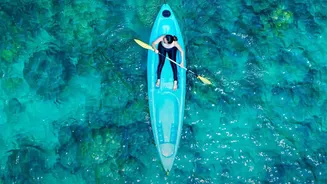
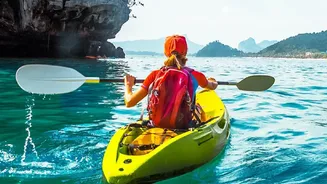
In coastal towns like Vengurla and along the rivers of Goa, a new kind of tourism is taking root. Guided kayaking excursions are leading visitors away from crowded beaches and into the tranquil, winding channels of the region's mangrove forests. These
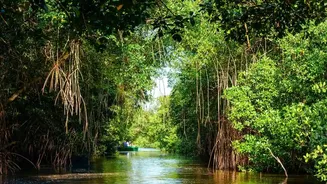
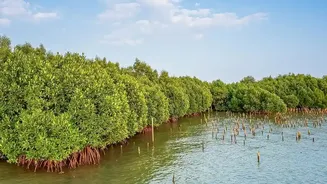
tours, often run by local community groups and eco-conscious entrepreneurs, offer an intimate and non-disruptive way to experience nature. Unlike noisy motorboats, the quiet rhythm of kayaking allows for close encounters with the ecosystem's inhabitants, from darting kingfishers and herons to the unique mudskippers and crabs that thrive in this intertidal world. The journey is not just about adventure; it's a deep dive into an ecosystem that is both beautiful and critically important.
The Floating Classroom
What sets these excursions apart is their strong educational focus. Guides, often local residents with deep-rooted knowledge, do more than just point out wildlife. They act as interpreters of the ecosystem, explaining the science behind the mangroves' survival in saltwater. They point to the intricate, tangled root systems that anchor the trees and provide a safe haven for juvenile fish. Visitors learn to identify different mangrove species, like the state-designated Sonneratia alba, and understand their specific roles. Many tours share insights into the traditional uses of mangrove plants in local folklore and medicine, connecting the ecological narrative to the region's cultural heritage. This direct, hands-on learning transforms abstract environmental concepts into a tangible, memorable experience.
Guardians of the Coast
The key lesson imparted on these tours is the immense value of mangrove forests. Participants learn that these ecosystems are not just coastal woodlands but vital 'green defenders'. Mangroves act as natural barriers, protecting coastal communities from storm surges and cyclones—a benefit dramatically highlighted during events like Cyclone Tauktae, where villages shielded by healthy mangroves suffered far less damage. Furthermore, these forests are biodiversity hotspots, serving as crucial nurseries for countless marine species that sustain the local fishing industry. They are also incredibly effective carbon sinks, absorbing significantly more carbon dioxide than terrestrial rainforests, making their preservation a key tool in the fight against climate change.
An Ecosystem Under Threat
This education is urgently needed, as Konkan's mangroves face significant threats. Coastal development, industrial pollution, and unsustainable aquaculture have led to the degradation of these vital habitats. The construction of bunds and the discharge of waste can cut off the crucial flow of tidal water, slowly killing the forests. By showcasing the beauty and importance of the mangroves firsthand, kayaking tours foster a sense of stewardship among visitors. When people see what is at stake, they are more likely to understand the need for conservation and support efforts to protect these areas. The awareness generated by ecotourism becomes a soft but firm line of defense against destructive practices.
Tourism as a Conservation Tool
The rise of guided kayaking is a powerful example of community-led conservation. In places like Sindhudurg, women's self-help groups have successfully launched mangrove safari initiatives, creating sustainable livelihoods that depend on a healthy ecosystem. These ventures, often supported by the Maharashtra government's Mangrove Cell, demonstrate that environmental protection and economic empowerment can go hand in hand. By choosing to go on these tours, travelers directly contribute to the local economy and incentivise the community to continue its conservation work. It transforms tourism from a potentially extractive industry into a regenerative one, where visitor fees help fund the protection of the very nature they've come to enjoy.