





In an Indian kitchen, flour isn't just one ingredient; it's a whole category. From the daily roti to festive naans, the type of flour you choose defines the texture, flavour, and soul of the final flatbread. Here's what each one does.
Whole Wheat Flour (Atta): The Daily Staple
Atta is the foundation
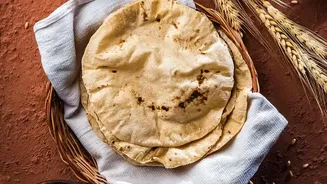
of most Indian flatbreads. It's a whole wheat flour, meaning it's milled from the entire wheat kernel—bran, germ, and endosperm included. This makes it high in fibre and nutrients. Traditionally, it is stone-ground (chakki-milled), which gives it a fine, silky texture that absorbs water well. This results in a soft, pliable dough that's easy to roll thin for everyday rotis, chapatis, and parathas. The flavour is nutty and wholesome, and a well-made atta roti should puff up on the tawa, creating that signature pocket of steam. For the softest rotis, a key tip is to let the kneaded dough rest for at least 20-30 minutes before rolling.
Refined Flour (Maida): For Softness and Stretch
If atta is the responsible, everyday choice, maida is its indulgent cousin. Maida is refined wheat flour, made only from the starchy endosperm of the grain. This process removes the bran and germ, resulting in a fine, white powder that creates a very soft, elastic dough. This stretchiness is exactly what's needed for restaurant-style naan, fluffy bhature, and the flaky pastry for samosas. While it lacks the fibre and nutrients of atta, maida's texture is essential for these specific dishes. Trying to make naan with 100% atta will result in a denser bread, just as making rotis with maida can make them leathery as they cool. Each has its specific, non-negotiable role in the kitchen.
Gram Flour (Besan): The Gluten-Free Workhorse
Made from ground dried chickpeas (chana dal), besan is a protein-rich, gluten-free flour with a distinctly nutty and earthy flavour. While it's famous for pakoras and dhokla, it's also used for flatbreads. Besan is often combined with other flours, like in the popular 'missi roti' where it's mixed with atta to create a flavourful, high-protein flatbread. It can also be used on its own to make 'besan ki roti' or a savoury pancake called 'chilla'. Since it lacks gluten, a dough made purely with besan won't be as elastic as wheat dough, but it creates a satisfyingly dense and flavourful result.
Millet Flours (Jowar, Bajra, Ragi): The Rustic Powerhouses
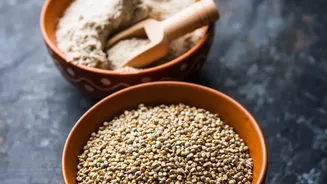
Millets are ancient grains that are making a huge comeback. These flours are naturally gluten-free and packed with nutrients. - Jowar (Sorghum) Flour: This flour is light in colour and has a mild, slightly sweet taste. It makes for soft, light rotis (often called bhakri) and is generally considered easier to digest. It's a great starting point for those new to millet flours. - Bajra (Pearl Millet) Flour: With its greyish colour and strong, nutty, almost earthy flavour, bajra is a winter favourite in many parts of India. It produces a denser, heartier roti that pairs beautifully with ghee and rich curries. - Ragi (Finger Millet) Flour: Known for its reddish-brown colour and rich calcium content, ragi has an earthy taste. It is used to make rotis, dosas, and a traditional Karnataka dish called ragi mudde. Like other millets, the dough can be tricky to handle, and some cooks mix it with a little wheat flour to improve elasticity.
Multigrain Atta: The Best of Many Worlds
Multigrain atta is a blend of whole wheat with other grains and pulses, such as ragi, jowar, bajra, soya, oats, or chana dal. The idea is to combine the familiar structure of wheat with the added nutritional benefits of millets and legumes, boosting the fibre and protein content. The resulting rotis are often denser and have a more complex, nutty flavour than those made with plain atta. While you can buy pre-made blends, you can also create your own by mixing different flours at home. If you're new to multigrain, a good tip is to start by substituting 25% of your regular atta and gradually increasing the ratio.