





The Challenge of a Micro-Climate
Predicting Delhi's weather is notoriously difficult. The city's landlocked geography, combined with the urban heat island effect—where concrete and asphalt absorb and retain heat—creates a unique micro-climate. This means that large-scale weather models
often fail to capture the nuances of what will happen on the ground. Sudden, intense thunderstorms or dust storms can materialize from the interaction of multiple, competing weather systems, such as dry westerly winds and moisture-laden currents. The India Meteorological Department (IMD) often groups Delhi with Haryana and Chandigarh for forecasting, which can dilute the specificity needed for a massive urban area. These short-lived, highly localized events, sometimes affecting areas no larger than 15 kilometers, make pinpoint accuracy a significant scientific challenge.
The Gap Between Forecast and Action
The problem isn't just the forecast itself, but how it's communicated and used. An 'orange alert' for a wide region often fails to translate into actionable advice for a commuter in South Delhi or a shopkeeper in Chandni Chowk. The result is a deficit of public trust. When forecasts repeatedly miss the mark, people begin to ignore them, rendering even accurate warnings ineffective. Getting it wrong isn't just an inconvenience; it's dangerous. It leads to paralysed transport systems, economic losses, and severe health risks, especially for the city's most vulnerable populations who live and work outdoors with little protection from extreme heat or sudden floods. The disconnect between a scientific prediction and a public service announcement that saves lives and livelihoods is a gap we can no longer afford.
The High Cost of Being Unprepared
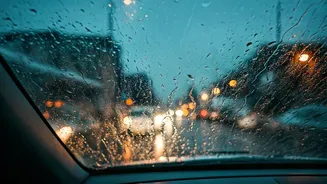
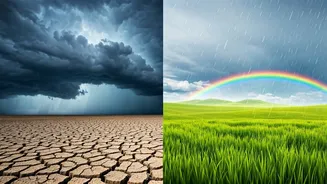
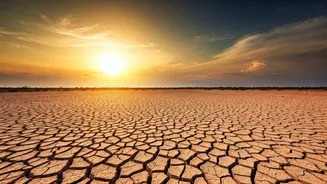
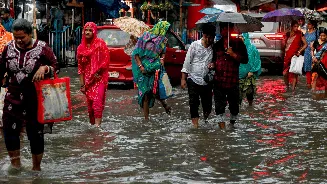
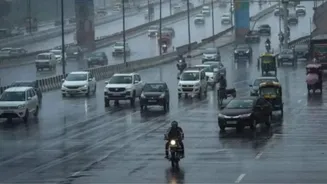
Every year, the monsoon season reveals the city’s deep-seated infrastructural frailties. A few hours of heavy rain are often enough to cause widespread waterlogging, turning arterial roads into impassable rivers and bringing the city to a standstill for hours. This isn't just about traffic jams; it exposes a chronic lack of maintenance and planning, from clogged drains to overwhelmed pumping stations. Similarly, heatwaves are no longer just a feature of Delhi's summer; they are a public health crisis. The combination of high temperatures and rising humidity creates dangerous conditions that lead to heat exhaustion and strain the city's resources, particularly for those in informal settlements without access to reliable water or electricity. These annual cycles of disruption are a direct consequence of a reactive mindset that waits for disaster instead of proactively building resilience.
A Blueprint for Civic Authorities
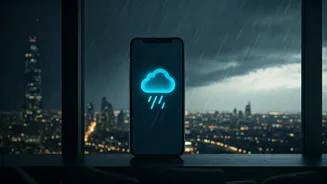
While perfect prediction is impossible, perfect preparation is not. The Delhi government has recently activated its "Flood Control Order 2026," establishing a 24/7 control room and identifying vulnerable flood-prone hotspots along the Yamuna for constant monitoring. This is a positive step. However, a truly proactive approach requires more. This includes year-round desilting of drains, not just in the weeks before the monsoon, and upgrading the city's aging drainage systems to cope with the intensity of modern rainfall. Investing in more Doppler radars and enhancing high-resolution modelling can improve forecast accuracy at a local level. Furthermore, creating an integrated, multi-platform warning system that provides clear, location-specific, and actionable advice is crucial to rebuilding public trust and ensuring residents can take timely precautions.
How Citizens Can Prepare
Responsibility doesn't just lie with the authorities. As residents, we can also shift from being passive victims of the weather to active participants in our own safety. This starts with creating a household emergency plan. Know your area's flood and waterlogging risks. Prepare an emergency kit with essentials like drinking water, first-aid supplies, a torch, and important documents. During heatwaves, stay hydrated, avoid strenuous activity during peak hours, and check on vulnerable neighbours. Pay attention to official advisories from the IMD and disaster management authorities, rather than relying on unverified social media forwards. Simple measures, like ensuring your home's drainage is clear and participating in local preparedness drills, can collectively make a significant difference.