







A new study has a stark warning for patients using a popular class of diabetes drugs: stopping the medication could significantly increase your risk of heart attack and stroke, potentially erasing the cardiovascular benefits gained.
The Alarming Findings
Recent research has
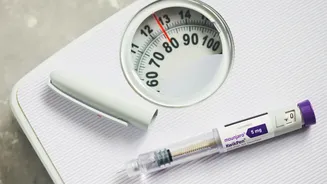
highlighted a serious concern for patients with type 2 diabetes who discontinue their medication. A study published in The Lancet Regional Health Europe found that stopping treatment with GLP-1 receptor agonists was associated with a doubled risk of suffering a non-fatal heart attack, a non-fatal stroke, or death from any cause compared to those who continued the medication. This translates to approximately four major adverse cardiovascular events per 100 people per year among those who stopped, versus two events for those who remained on treatment. The drugs in question are a class known as GLP-1 receptor agonists, which include popular medications like liraglutide, dulaglutide, and semaglutide (known by brand names like Ozempic and Rybelsus).
Understanding GLP-1 Drugs
GLP-1 receptor agonists are a class of medications that have become a cornerstone in managing type 2 diabetes. They work by mimicking a natural hormone that helps regulate blood sugar and curb appetite. This dual action not only helps control diabetes but has also made them famous for their significant weight-loss effects, leading to their widespread use. Beyond blood sugar and weight, these drugs have proven cardiovascular benefits, reducing the risk of heart attacks and strokes in patients, which is a major advantage given that cardiovascular disease is a leading complication of diabetes. The benefits, however, now appear to be directly tied to continuous use.
The Discontinuation Dilemma
Despite their effectiveness, a surprisingly high number of patients stop taking GLP-1 drugs, often within the first year of starting. The reasons for discontinuation are varied and complex. One of the biggest barriers is cost, as these medications can be expensive, and insurance coverage can be inconsistent. Unpleasant side effects, particularly gastrointestinal issues like nausea, vomiting, and constipation, are another major factor, leading nearly a third of patients in some studies to quit. Other reasons include supply shortages, reaching a weight loss goal and mistakenly believing the treatment is no longer needed, or a general lack of understanding that these drugs are meant for long-term management of a chronic condition.
Losing Protection Quickly
The cardiovascular protection offered by GLP-1 drugs is not a permanent fix; it appears to diminish rapidly once the medication is stopped. One study tracking U.S. veterans found that even a sixndelay interruption was linked to a higher risk of heart attack, stroke, and death. The risk grew the longer a patient was off the medication. After two years without the drug, the risk of a major cardiovascular event was up to 22% higher compared to those who used it continuously, effectively wiping out the heart protective benefits gained. The study noted that restarting the medication only partially restored the protection, suggesting that stopping leaves behind a 'lasting scar' and that continuous use is key to maintaining cardiovascular health.
What Patients and Doctors Should Do
The key takeaway from this research is not that the drugs are dangerous, but that their benefits are contingent on consistent, long term use. Experts stress that patients should never stop taking these medications without first consulting their doctor. The high rates of discontinuation have prompted calls for better communication between doctors and patients about the chronic nature of the treatment. This includes managing expectations, addressing side effects proactively, and discussing the long term health benefits that go beyond weight loss. If cost or side effects are an issue, doctors may be able to suggest alternative strategies, such as adjusting the dosage or exploring other treatment options, rather than stopping altogether. The goal is to ensure the significant cardiovascular protections are not lost.