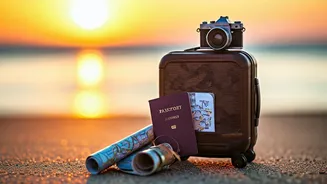









The End of the Epic Holiday?
The long-held tradition of a single, extended annual vacation is losing its appeal for many modern couples. Demanding work schedules, the pressure to be 'always on', and the sheer mental load of planning a multi-week trip have made long holidays a logistical
challenge. [22] In 2026, Indian travellers are increasingly choosing to take four 'mini-breaks' over one long holiday. [4] This shift isn't just about saving time; it's a strategic move to maximize well-being throughout the year. Research shows the positive effects of a vacation, like reduced stress, fade quickly after returning to work, often within a few weeks. [3, 9] By taking more frequent but shorter breaks, couples can get that 'recharge' moment more often. [3]
Maximum Romance, Minimum Stress
A major advantage of a short trip—typically two to four days—is the reduced planning and stress. [12, 14] Instead of a sprawling itinerary, the focus shifts to quality over quantity. [12] Couples can concentrate on a few key experiences, whether it's a boutique hotel stay, a world-class meal, or a shared activity, making the time feel more precious and impactful. Studies suggest that these short, restorative breaks can be just as beneficial for well-being as longer getaways. [3, 4] The 'return to work' anxiety is also less overwhelming after a three-day escape compared to a fortnight's absence, making the transition back to daily life smoother. [3]
The New Economics of a Getaway
Financially, the trend makes a lot of sense. While a shorter trip is obviously cheaper than a longer one, it’s about more than just the bottom-line cost. [24] This approach allows couples to spread their travel budget across several experiences during the year. [17] It also makes luxury more accessible. A two-week stay at a five-star resort might be prohibitive, but a weekend at the same property is often attainable. This allows for more frequent indulgence and a higher quality of travel overall. Indians are now allocating a larger portion of their income to travel, but they are doing so smartly by opting for multiple, high-value mini-breaks instead of a single, expensive annual trip. [4]
Crafting the Perfect Micro-Romance
The ideal short romantic trip is defined by convenience and experience. The destination is often close to home, typically within a few hours' drive or a short flight, minimising travel time and maximising relaxation. [6] In India, this has led to the rise of getaways to places like Alibaug from Mumbai, Coorg from Bengaluru, and the hills around Delhi. [6] The focus is on the accommodation itself becoming a destination—think unique homestays, wellness retreats, or villas with a view. A recent Airbnb report highlighted that India's Gen Z travellers, in particular, prefer trips under a week and often book spontaneously, valuing unique stays over traditional landmarks. [5] The goal is to disconnect from the routine and reconnect with each other, even if just for 48 hours.
A Trend Driven by a New Generation
This shift is being powerfully driven by younger travellers. A 2026 Airbnb report found that 87% of Indian Gen Z travellers (aged 18-29) prefer trips lasting less than a week. [5] Described as the "Anti-Itinerary" generation, they favour spontaneity and see travel as a form of self-expression. [5] Globally, bookings for trips of four days or less are showing significant year-on-year increases, with young professionals leading the charge. [10, 21, 25] The rise of flexible work schedules has further enabled this trend, making it easier to escape for a long weekend. [12, 14] The focus has moved from the quantity of days spent away to the quality and memorability of the experience itself. [12]