





The 'Why' Must Come First
Before you switch your pet to a pricey or restrictive new food, the single most important question to answer is 'why?'. Specialised diets, particularly therapeutic or prescription diets, are designed to manage specific medical conditions. Legitimate reasons
include diagnosed food allergies, kidney disease, urinary tract issues, diabetes, or obesity. These aren't casual choices but targeted nutritional interventions. The danger lies in choosing a diet based on marketing fads or human trends. For instance, the grain-free trend gained popularity among owners, but most dogs thrive on grains, and some grain-free formulas have been investigated for potential links to heart conditions. Similarly, a diet that works for a friend's pet may be inappropriate or even harmful for yours. The 'why' must be a medical diagnosis from a veterinarian, not a guess from the internet.
From Vague Hopes to Measurable Goals
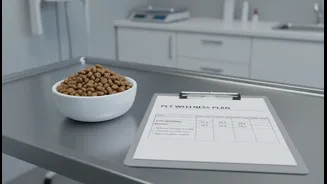
Once you have a clear 'why', the next step is defining the 'what' — as in, what does success look like? Vague hopes like "I want his coat to be shinier" or "I hope she loses weight" are not effective goals. A specialised diet is a project, and it needs clear, measurable targets. In partnership with your vet, translate hopes into concrete goals. For a pet with suspected food allergies, the goal isn't just to "reduce itching," but to achieve a "75% reduction in scratching and skin redness within an 8-to-12-week elimination diet trial." For weight management, the target should be specific, like "lose 1 kilogram over the next three months." This approach provides an objective way to determine if the diet is working. Keeping a simple weekly log of symptoms or weight can help you track progress and have a more productive conversation with your vet during follow-up visits.
Your Veterinarian Is Your Nutrition Partner
It cannot be stressed enough: do not embark on a therapeutic diet journey alone. Your veterinarian is your most crucial partner. They perform the diagnostics needed to identify the root problem, ruling out other conditions that might mimic a food issue. A vet can recommend a diet with a specific formulation designed to address the problem, such as a hydrolysed protein diet for allergies, where proteins are broken down to be too small for the immune system to recognise. They also ensure the diet is complete and balanced for your pet's life stage, which is a significant risk with improperly formulated or home-cooked meals. While some sources raise questions about the business model behind prescription foods, veterinarians recommend them based on clinical evidence and the fact they are formulated for specific medical outcomes. Your vet's role is to ensure the diet is not only effective but also safe.
Patience, Observation, and Follow-Up
A new diet is rarely an instant fix. The process requires patience and strict compliance. An elimination trial for food allergies, for example, is a strict 8-to-12-week commitment where the pet can have absolutely nothing else—no treats, no table scraps, no flavoured medications—other than the prescribed food and water. Any deviation can ruin the trial and send you back to square one. During this period, careful observation is key. Note any changes in your pet's skin, energy levels, and digestive health. Follow-up appointments are not optional; they are essential for your vet to assess the progress against the goals you set. If the diet isn't working as expected, your vet can help troubleshoot, adjust the plan, or investigate other potential causes for your pet's symptoms. A slow, methodical approach is the fastest way to get reliable results.