






The Headline Numbers
In the first half of the 2026-27 financial year, Air India is estimated to have incurred a loss of approximately ₹10,500 crore. These figures, derived from disclosures by Singapore Airlines which holds a 25.1% stake in the carrier, paint a picture of a company
deep in the red. However, this isn't the whole story. The reported loss is actually an improvement, down by about 16% from the roughly ₹12,500 crore loss posted in the same period last year. This suggests that while the airline is still losing money, the financial bleeding has slowed, even as it navigates a challenging environment marked by high fuel costs and intense competition.
Investment, Not Just Loss
The core of Air India's current financial state lies in the distinction between operational shortfalls and strategic capital expenditure. The massive losses are not primarily due to a collapse in revenue or passenger numbers. Instead, they reflect the colossal cost of its transformation. Under the Tata Group's ownership, the airline has embarked on Vihaan.AI, a five-year plan to completely overhaul the company. This involves staggering investments in new aircraft, refurbishing old cabins, upgrading technology, and expanding its workforce and training facilities. Singapore Airlines noted that Air India has made 'tangible progress' in this multi-year transformation, viewing the investment as a key pillar of its own multi-hub strategy.
Where the Money is Going
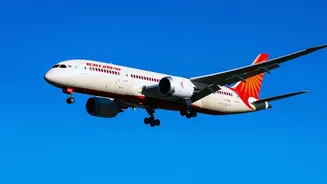
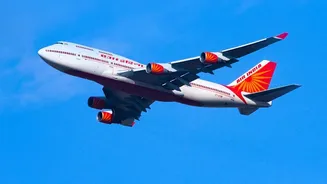
The spending is visible across the airline's operations. Air India is in the midst of integrating a historic 470-aircraft order placed in 2023. This includes new-generation planes like the Airbus A350 and Boeing 787-9 Dreamliners, which are progressively entering service. Simultaneously, the airline has been aggressively retrofitting its legacy fleet to address long-standing complaints about worn-out cabins. Beyond the hardware, significant funds are being channelled into technology, including a revamped website, a highly-rated mobile app, and a generative AI chatbot for customer service. New training academies and pilot development programs are also being established to build a talent pipeline for future growth. These are not just operational costs; they are foundational investments for long-term competitiveness.
The Revenue and Cost Equation
While the headline focuses on losses, it's crucial to examine the external pressures affecting all airlines. During this period, average jet fuel prices surged by over 86%. This alone added enormous pressure on the expenditure side of the ledger for all carriers, including Air India. Despite these headwinds, the reduction in year-on-year losses indicates that some cost-saving measures and operational efficiencies are beginning to take hold. The new CEO, Tewolde Gebremariam, has emphasised that achieving sustainable profitability remains a key objective and that cost discipline must become an integral part of the airline's culture. The focus is on improving unit costs while refining commercial strategy to navigate these external challenges.
A Long-Term Transformation
The Vihaan.AI transformation plan is structured in phases, moving from 'Taxi' (fixing basics) to 'Take Off' (building for growth). The current financial results fall squarely within this intensive investment period. Both the Tata Group and Singapore Airlines have acknowledged that a turnaround of this magnitude will take time. The goal over the next five years is to capture at least a 30% share of the domestic market and significantly grow internationally. The progress is not just measured in financial terms but also in customer satisfaction, with metrics like Net Promoter Score (NPS) showing marked improvement since the takeover. This indicates that while the balance sheet is under strain, the passenger experience—a key driver of future revenue—is heading in the right direction.