

Prioritise Paw Care
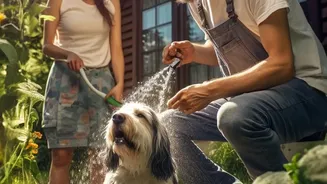
Paws are your pet's first point of contact with wet, muddy, and potentially contaminated surfaces. After every walk, it's crucial to clean your dog's paws thoroughly with lukewarm water. Pay special attention to the areas between the toes, as trapped
moisture here can lead to fungal and yeast infections. Dry them completely with a soft towel. For both cats and dogs, regularly inspect paw pads for any cuts, redness, or swelling. Applying a pet-safe paw balm before walks can also create a protective barrier against moisture and irritants.
Focus on Skin and Coat Health
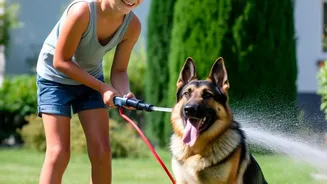
High humidity creates the perfect breeding ground for bacteria and fungi, making pets susceptible to skin infections, hot spots, and allergies. The key to prevention is keeping your pet's coat as dry as possible. Always towel-dry your pet thoroughly if they get wet, paying extra attention to their underbelly, skin folds, and neck. For dogs with thick coats, consider a shorter trim for the season to improve air circulation and allow the skin to dry faster. Avoid over-bathing, which strips natural oils; instead, opt for a vet-approved anti-fungal shampoo if needed.
Guard Against Ear Infections
The damp, warm environment of the monsoon is also ideal for yeast and bacteria to flourish inside your pet's ears, especially for floppy-eared breeds. Trapped moisture is a primary cause of painful ear infections. Make it a habit to gently wipe the visible part of your pet’s ears with a dry, soft cloth after any exposure to rain. Weekly checks for redness, discharge, or any unusual odour can help you catch potential issues early. If you notice your pet shaking its head or scratching its ears excessively, consult a vet.
Step Up Parasite Protection
Monsoon is peak season for ticks, fleas, and mosquitoes, which thrive in the warm, damp conditions. These parasites are not just a nuisance; they can transmit serious diseases. It's essential to be diligent with your pet’s regular flea and tick prevention schedule, as advised by your veterinarian. Perform daily checks of your pet's coat, especially around the ears, neck, paws, and tail base. Keeping your home clean by regularly washing your pet's bedding in hot water and vacuuming carpets can also significantly reduce the risk of an infestation.
Adjust Their Diet and Hydration
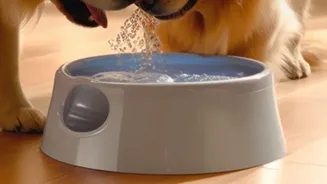
A strong immune system is your pet's best defence against infections. Ensure they are on a balanced diet. Humidity can cause dry food to spoil or develop mould quickly, so store it in an airtight container. Always provide fresh, clean drinking water, and never let your pet drink from puddles or stagnant water, which can be full of harmful bacteria and parasites. Although the weather is cooler, hydration remains crucial. Some pets may benefit from moisture-rich foods like wet food or adding a little low-sodium broth to their kibble to boost their water intake.
Create a Safe and Dry Indoor Space
Your pet’s living space plays a huge role in their health. Ensure their bedding is always clean and completely dry to prevent fungal growth and discomfort. Wash their bedding and blankets weekly. If your home feels particularly damp, using a dehumidifier in the room where your pet spends most of their time can help. For cats, humidity can make litter boxes a breeding ground for bacteria, so more frequent scooping and cleaning are necessary. Since outdoor activities may be limited, keep them engaged with indoor games and enrichment activities to burn off energy.