







What is Hyper-palatability?
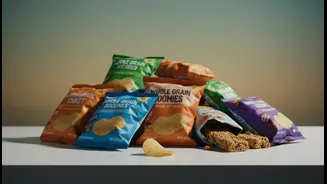
Hyper-palatability isn't about a single ingredient. It’s the industrial food science of combining specific amounts of fat, sugar, sodium, and carbohydrates to create a product that is, quite literally, hard to stop eating. These foods are engineered to hit
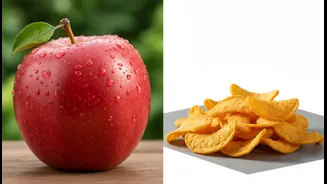
a 'bliss point' that is more rewarding than anything found in nature, like a perfectly ripe apple or a handful of plain almonds. Researchers have identified three main combinations that define these foods: fat and sodium (like in processed meats), fat and sugar (cakes and ice cream), and carbohydrates and sodium (crackers, pretzels, and chips). This formula is designed to activate the brain's reward system and can override your body's natural signals of fullness.
The Science of Engineered Cravings
When you eat a hyper-palatable snack, it sends a powerful signal to your brain's reward centre, triggering a release of the neurotransmitter dopamine. This is the same chemical messenger involved in motivation and pleasure, and its release reinforces the desire to keep eating. The problem is that our brains, which evolved to seek out calorie-dense foods for survival, aren't equipped to handle the intense, artificial combinations found in modern processed snacks. This repeated dopamine surge can disrupt the hormonal signals that tell you when you're hungry or full, leading to a cycle of cravings and overconsumption even when you've had enough calories.
The 'Diet Snack' Paradox
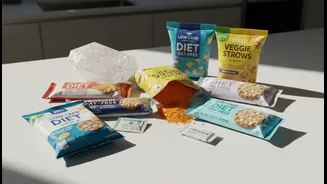
Here's the twist: even snacks marketed as 'healthy,' 'low-fat,' or 'baked not fried' can fall into the hyper-palatable category. Food manufacturers know that when they reduce one ingredient like fat, they often need to compensate by increasing others, such as sodium and carbohydrates, to maintain taste. The result can be a product that, while technically lower in fat, still fits the scientific definition of hyper-palatable. Baked crisps, low-fat cookies, granola bars, and certain fruit yoghurts can all be designed with irresistible combinations of carbs and sodium or fat and sugar, making it just as easy to finish the entire package. Almost 70 percent of foods available in the United States are estimated to be hyper-palatable.
How to Spot and Escape the Trap
Regaining control starts with awareness. Since 'hyper-palatable' isn't on the nutrition label, you need to become a bit of a detective. A key strategy is to focus on whole, unprocessed foods as much as possible—think fresh fruits, vegetables, and unsalted nuts. These foods typically have one dominant flavour profile (like sweetness in an apple) paired with fibre and water, which help promote feelings of fullness naturally. When buying packaged snacks, check the ingredients. High levels of sodium, in particular, are a common clue. Another tip is to re-engage the physical act of eating. Many hyper-palatable snacks are designed to melt in your mouth, bypassing satiety signals. Choosing foods that require more chewing, like an apple or crunchy carrots, can help your brain register what you're eating and when you're full.