








Months Ahead: Laying the Groundwork
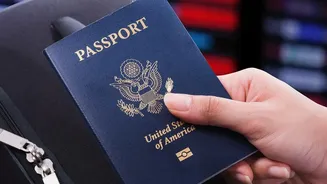
Your journey begins long before you reach the airport. The first and most critical step is your documentation. If you don't have a passport, apply for one immediately. Routine processing can take several weeks or even months, so this is not a task to
leave for later. First-time applicants must typically apply in person at an authorized facility like a post office or library. You will need proof of citizenship (like an original birth certificate), a valid photo ID, and a compliant passport photo. Always check the official government website for the latest processing times and requirements, as these can change. Next, research whether your destination requires a visa for your nationality. A visa is official permission to enter a country. Some nations offer visa-free travel for short stays, while others require a formal application that can also take weeks. The embassy or consulate website of your destination country is the definitive source for this information.
Booking Flights and Stays
Once your passport is in hand or on its way, you can start booking. To find the best deals, be flexible with your travel dates if possible; flying mid-week is often cheaper than on weekends. Using flight comparison websites can help you survey your options, but consider booking directly with the airline to avoid complications with third-party vendors. For international trips, it's generally best to book flights a few months in advance. When it comes to accommodation, think about what suits your travel style. Hotels offer convenience, while vacation rentals can provide more space and a local feel. Location is key—staying near public transport or the attractions you want to see can save you time and money. Always read recent reviews before booking. Bundling your flight and hotel booking through a single provider can sometimes unlock additional savings.
Health and Safety Preparations
Your health and safety abroad are paramount. Schedule a visit with your doctor or a travel clinic 4-8 weeks before your departure to discuss necessary vaccinations or preventative medications for your destination. Carry a small first-aid kit with essentials like pain relievers, bandages, antiseptic wipes, and any personal prescription medications. Be sure to keep medications in their original containers and carry a copy of your prescription. Travel insurance is a non-negotiable for international travel. A good policy should cover medical emergencies, trip cancellations, and lost luggage. Before you leave, make digital and physical copies of your passport, visa, and insurance documents. Leave one set with a trusted person at home and keep another separate from the originals in your luggage. It's also wise to enroll in your government's traveler program, which can help authorities assist you in an emergency.
Managing Money and Communication
Figuring out finances is a common stressor. Inform your bank and credit card companies of your travel dates and destinations to prevent them from freezing your account due to suspicious foreign activity. Inquire about international transaction fees; some cards are designed for travel and waive these fees. It is wise to have multiple ways to access money, such as a debit card for ATM withdrawals and a credit card for larger purchases. Carrying a small amount of the local currency upon arrival is also a good idea for immediate expenses like a taxi or a snack. For staying connected, check your mobile provider's international roaming plans. To avoid high fees, you might consider purchasing a local SIM card upon arrival or an eSIM before you leave.
The Final Week: Packing and Last-Minute Checks
In the week leading up to your flight, focus on smart packing. Check the weather at your destination and pack versatile, layer-friendly clothing. Comfortable walking shoes are a must. To avoid last-minute scrambling, pack essentials in your carry-on: a change of clothes, basic toiletries (following the 100ml liquid rule), all medications, chargers, and a power bank. Remember a travel adapter suitable for your destination's outlets. Confirm your flights and any hotel reservations. Share your complete itinerary with a family member or friend. Finally, organize all your travel documents—passport, visa, boarding pass, and accommodation details—in an easily accessible folder or travel wallet.