


The Nutritional Showdown
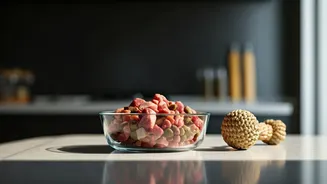
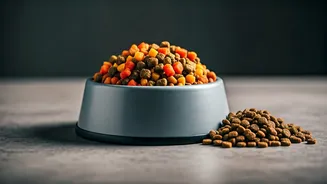
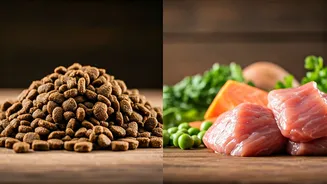
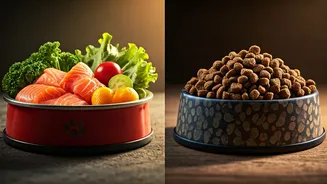
The core difference between fresh food and kibble lies in the processing. Kibble is made using a high-heat process called extrusion, which cooks ingredients into a shelf-stable, dry pellet. While this method is efficient, critics argue that the high temperatures
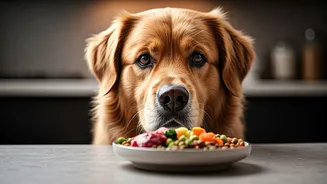
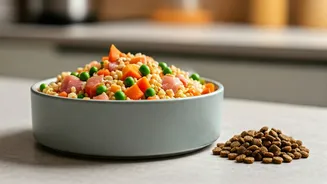
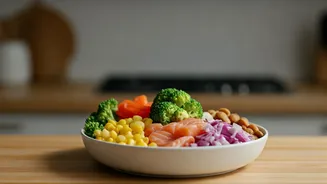
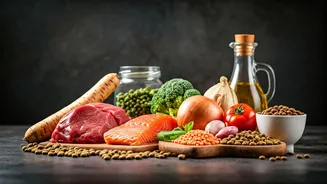
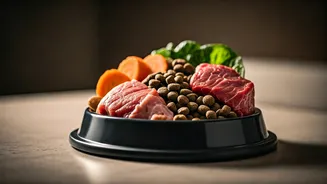
can degrade some natural nutrients, which are often added back in synthetic form. Fresh food, by contrast, is made from whole ingredients like meats and vegetables that are gently cooked at lower temperatures. Proponents say this method helps retain more of the food's natural nutritional integrity. Fresh diets also have a much higher moisture content, which can help with your dog's overall hydration.
Convenience and Cost
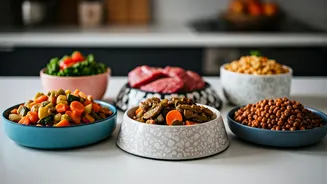
Kibble is the undisputed champion of convenience. It’s shelf-stable, easy to store, and simple to scoop and serve. This makes it a practical choice for many busy households. Financially, kibble is also far more accessible. In India, budget-friendly brands can cost under ₹2,000 for a 10kg bag, while premium imported options are significantly more expensive. Fresh food is a premium option and costs significantly more. It requires refrigeration or freezer space and careful portioning, adding another layer of logistics for pet owners. Some pet parents in India opt for a mixed diet—combining kibble with home-prepared additions—to balance cost and nutrition.
Health and Safety
Fresh, gently cooked food is often praised for being highly digestible and palatable, making it a good choice for picky eaters or dogs with sensitive stomachs. However, not all fresh diets are created equal, and it's crucial they are formulated to be nutritionally complete. Some veterinarians caution that poorly formulated homemade or fresh diets can lead to nutritional deficiencies. The cooking process for fresh food kills pathogens like Salmonella, offering a safer alternative to raw diets. Kibble has a strong safety record due to the extrusion process. The main concerns revolve around occasional recalls and the use of fillers or by-products in lower-quality brands. For any diet to be considered safe and healthy, it should meet the nutritional standards set by organisations like the Association of American Feed Control Officials (AAFCO).
The Vet’s Verdict
There isn't a universal consensus among veterinarians that fresh food is inherently superior to a high-quality, balanced kibble. Most vets emphasize that the most important factor is feeding a diet that is 'complete and balanced' for a dog's specific life stage and health needs, regardless of the format. Many point out that some dogs thrive on kibble, while others may benefit from the high digestibility and limited ingredients in fresh food, especially those with allergies or sensitivities. The American Veterinary Medical Association has expressed opposition to raw food diets due to the risk of pathogens to both pets and humans, making gently cooked fresh food a preferred alternative for those seeking a less processed option. Ultimately, the decision should be made based on the individual dog.