



The Green Banana: A Gut-Friendly Choice
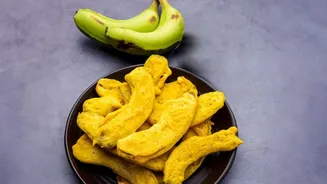
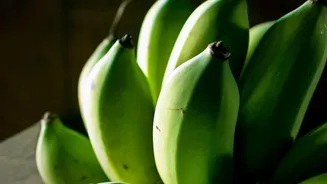
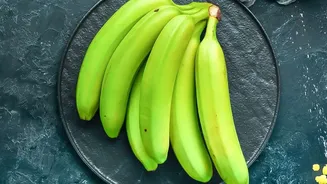
An unripe, green banana is firm with a slightly bitter or starchy taste. Its key nutritional feature is a high concentration of resistant starch. This type of carbohydrate 'resists' digestion in the small intestine and instead travels to the large intestine,
where it acts as a prebiotic. It becomes food for the beneficial bacteria in your gut, supporting overall digestive health. Because the starch hasn't converted to sugar yet, green bananas have a lower glycemic index, meaning they cause a slower rise in blood sugar levels. This makes them a good option for those managing blood sugar. However, the high starch content can cause gas or bloating in some people who aren't used to it. Their firm, waxy texture holds up well in cooking, making them ideal for savoury dishes.
The Yellow Banana: The All-Rounder
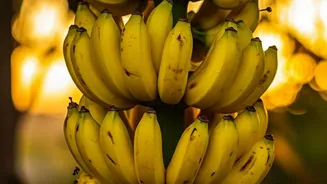
As a banana turns from green to yellow, a significant change occurs: the resistant starch converts into simple sugars like glucose, fructose, and sucrose. This is why yellow bananas are noticeably sweeter and softer than their green counterparts. With less starch to break down, they are generally easier to digest, making them a great snack for quick energy, especially before or after a workout. While the fibre content decreases slightly, yellow bananas are still a good source of potassium and vitamins B6 and C. Antioxidant levels also begin to rise as the banana ripens. For most people, the perfectly yellow banana represents a balanced sweet spot of flavour, easy digestion, and solid nutritional value.
The Spotted Banana: Peak Sweetness and Antioxidants
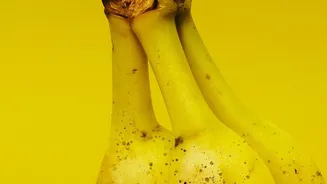
Those brown spots, sometimes called 'sugar spots', are a sign that the banana is reaching its peak ripeness and sweetness. At this stage, almost all the resistant starch has broken down into sugar, making it the sweetest and easiest to digest version of the fruit. The development of these brown spots also indicates an increase in antioxidant levels. The breakdown of chlorophyll, the compound that makes the peel green, is linked to this rise in powerful, cell-protecting antioxidants. While the sugar content is at its highest—making it a less ideal choice for those who need to strictly control blood sugar—its soft texture and intense sweetness are perfect for mashing into smoothies or baked goods like banana bread.
The Brown Banana: Best for Baking
When a banana's peel is mostly or fully brown, it has reached its final stage of ripening. The fruit inside is mushy and extremely sweet, as the starches are now almost entirely simple sugars. These bananas are an antioxidant powerhouse. While some water-soluble vitamins like Vitamin C may have decreased during the extensive ripening process, the fruit is still packed with nutrients. Its soft, syrupy consistency makes it a poor choice for eating out of hand but an excellent natural sweetener for baking. Using overripe bananas can help reduce the amount of added sugar needed in recipes for muffins, cakes, and pancakes, all while adding moisture and a rich banana flavour.