


A Prescription for Better Health
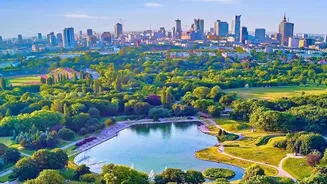
The most compelling argument for urban green space is its profound impact on both physical and mental well-being. For years, studies have shown a strong link between time spent in nature and reduced stress, anxiety, and depression. Exposure to green environments
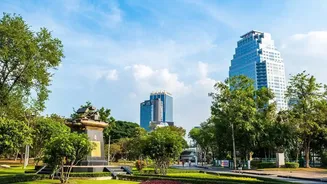
can lower blood pressure, reduce mental fatigue, and improve mood and cognitive function. In an urban setting, where the pressures of daily life are constant, a park or even a tree-lined street can act as a vital restorative space. Furthermore, these spaces encourage physical activity. Parks provide a free and accessible venue for walking, jogging, and playing, which helps combat chronic diseases like obesity and heart disease that are on the rise in urban populations. For children, green spaces are crucial for healthy development, offering a place for unstructured play that is essential for physical and social growth.
Cooling Our Concrete Jungles
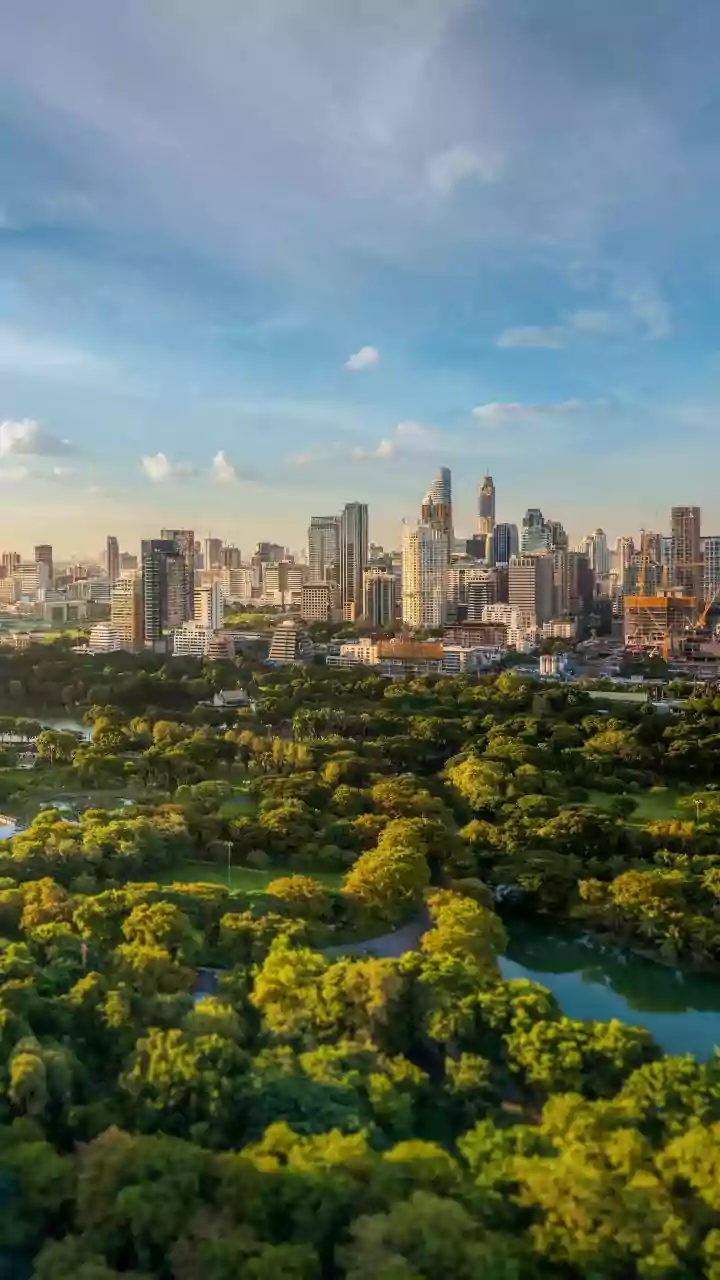
Indian cities are getting hotter, and not just because of climate change. The 'urban heat island' effect, where dense concentrations of pavement and buildings absorb and retain heat, makes city centres significantly warmer than surrounding rural areas. This increases health risks and drives up energy costs for cooling. Green spaces are one of the most effective solutions. Trees provide shade, which can dramatically lower surface and air temperatures. A park can be several degrees cooler than the surrounding built-up area. Through a process called evapotranspiration, vegetation releases moisture into the air, acting as a natural air conditioner. As heatwaves become more frequent and intense, investing in urban greening is no longer just about aesthetics; it's a critical strategy for climate resilience and public health.
The Social Fabric of Parks
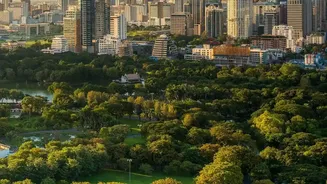
Green spaces are the communal backyards of our cities. They are neutral grounds where people from all walks of life can gather, interact, and build a sense of community. From morning walkers and yoga groups to families enjoying a picnic, parks foster social connections that are often lost in the anonymity of urban life. These interactions strengthen neighbourhood ties and can even lead to lower crime rates. Community gardens, a growing trend, take this a step further by giving residents a shared purpose and a source of fresh, local food. In a rapidly urbanising India, where traditional community structures are changing, these shared public spaces play an indispensable role in fostering social cohesion and reducing the sense of isolation that can accompany city living.
An Engine for the Economy and Environment
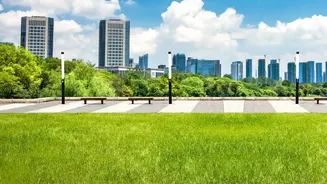
While they may look like empty space on a planner's map, parks are economic assets. The presence of well-maintained green spaces can increase the value of nearby properties, attracting residents and businesses. They also boost local economies by providing a venue for festivals and events and attracting tourism. Environmentally, their benefits are immense. Urban forests act as the lungs of the city, filtering air pollutants and absorbing carbon dioxide. They also play a crucial role in managing stormwater, as permeable green surfaces absorb rainwater, reducing runoff and preventing flooding—a growing concern for many Indian cities.
The Green Divide: An Equity Issue
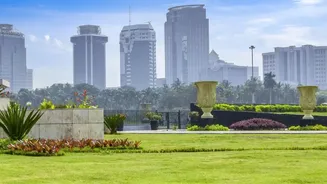
Unfortunately, the benefits of green space are not shared equally. Across many Indian cities, there is a stark 'green divide'. Well-maintained parks and lush greenery are often concentrated in wealthier neighbourhoods, while lower-income areas are left with degraded, inaccessible, or non-existent spaces. This unequal access contributes to health disparities and reinforces social inequality. As the importance of green space becomes clearer, the fight for 'green equity' is gaining momentum. Activists and planners argue that access to nature is a basic right, not a privilege. Ensuring that all residents, regardless of their income or postcode, can enjoy the benefits of green space is one of the most significant urban planning challenges of our time.