






The Golden Rule: Volume vs. Weight
The first thing to understand is that airlines limit both the size and the weight of your cabin bag, with the 7kg weight limit being the toughest hurdle for winter travel. Compression techniques are your best ally because they reduce the volume (the space
your clothes occupy), not the weight. This is a critical distinction. Shrinking a 3kg pile of sweaters makes them fit, but they still weigh 3kg. The goal is to use compression to fit smarter, lighter items, freeing up weight for essentials. The key is to compress bulky but lightweight items like down jackets and fleece, while being mindful of heavier items like jeans and boots.
Mastering Compression Packing Cubes
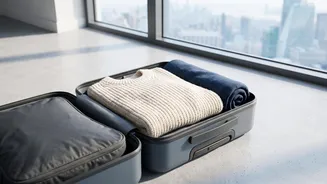
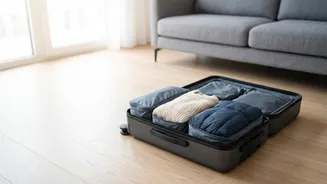
Standard packing cubes organise your bag; compression packing cubes revolutionise it. These cubes typically feature a second zipper that, when closed, squeezes the cube and its contents, forcing out trapped air. This simple mechanism can significantly reduce the volume of puffy items like wool sweaters, fleece jackets, and thick socks. The trick is to fold or roll items neatly before placing them in the cube. This ensures even compression and minimises deep wrinkles. By compartmentalising and compressing, you not only save a surprising amount of space but also create a structured, easy-to-navigate suitcase.
Vacuum Bags: Maximum Compression, Key Considerations
For ultimate space-saving, nothing beats vacuum-sealed bags. By removing nearly all the air, they can shrink a bulky parka or several thick sweaters into a dense, flat package. However, they come with trade-offs. Firstly, they don’t reduce weight, and it's easy to overpack and exceed the 7kg limit because the bag feels small. Secondly, they can cause significant wrinkling. Lastly, you need a way to re-seal them for your return journey, making portable, battery-operated pumps a near necessity. They are best used strategically for your bulkiest, softest items, rather than your entire wardrobe.
Strategic Rolling and Folding
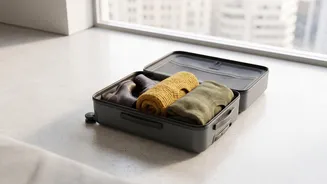
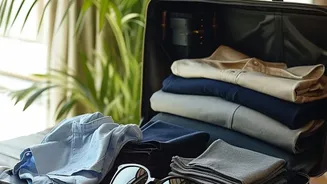
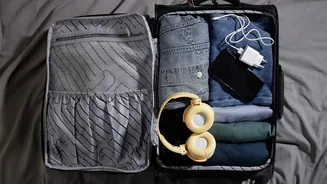
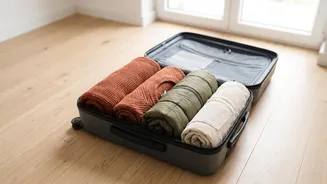
Not everything needs aggressive compression. The simple act of rolling your clothes tightly is a classic space-saving technique for a reason. It squeezes out air pockets and allows you to pack items like t-shirts, base layers, and even trousers into the gaps left by your packing cubes. For bulkier items like coats that you might not compress in a bag, specific folding techniques can turn them into a tight, secure bundle. The 'ranger roll' is particularly effective for many garments, creating dense logs of clothing that resist unravelling in your bag.
Choose Your Fabrics Wisely
Your fight for a lighter bag begins before you even start packing. The fabrics you choose are crucial. Merino wool is a winter travel superstar: it's incredibly warm for its weight, breathable, moisture-wicking, and naturally odour-resistant, meaning you can wear it multiple times without washing. Fleece is another excellent choice, offering significant warmth with very little weight. Cashmere is also warmer and lighter than regular wool. Opting for these over heavy cotton or chunky synthetic knits can shave precious grams and bulk from your total luggage weight.
Wear Your Heaviest Items on the Plane
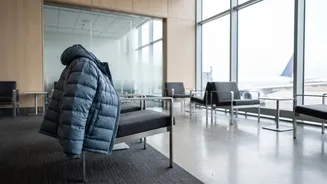
This is the oldest trick in the book, and it’s non-negotiable for winter carry-on travel. Your bulkiest coat, your heaviest sweater, and your winter boots should be part of your travel day outfit. This single action can save you 2-3 kgs of luggage weight instantly. It might feel cumbersome while navigating the airport, but once you're on the plane, the coat can be stored in the overhead bin or used as a blanket. Think of your airport outfit as wearable luggage—it doesn’t count towards your 7kg limit.