
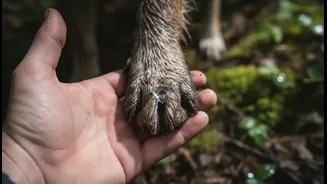



Why Monsoon is a High-Risk Season
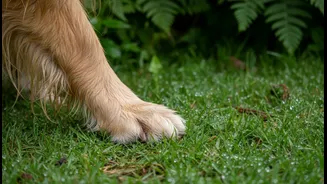
The combination of high humidity, constant moisture, and reduced sunlight makes the monsoon a peak season for fungal and bacterial growth. Your pet's paws are on the front line, constantly in contact with wet grass, muddy paths, and potentially contaminated
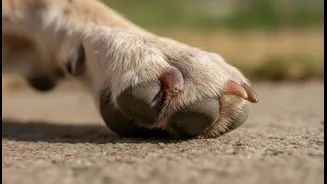
puddle water. Fungi like yeast thrive in warm, damp, and dark spaces—and the area between your pet’s toes and under their paw pads is an ideal environment. When paws remain wet after a walk, this trapped moisture weakens the skin's natural barrier, inviting infections that can cause significant discomfort and pain.
Signs of a Paw Infection to Watch For
Early detection is key, as many initial symptoms are easy to dismiss. Get into the habit of looking for these tell-tale signs: Persistent Licking or Chewing: If your pet is obsessively licking or biting at their paws, it's a major red flag for irritation. Redness and Swelling: Look for inflamed, red, or swollen skin, especially between the toes and around the nail beds. An Unpleasant Odour: A musty, cheesy, or 'corn chip' smell from the paws often indicates a yeast infection. Discharge or Flaky Skin: You might notice greasy discharge, pus, or dry, scaly skin on or between the paw pads. * Reluctance to Move: Limping, sensitivity to touch, or hesitation to walk can all signal paw pain. Rust-colored fur staining on light-colored pets can also be a sign of chronic licking caused by an underlying issue.
The Daily Paw-Check Ritual
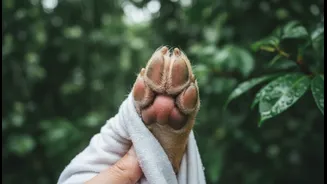
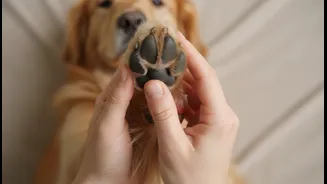
Make this a non-negotiable part of your routine, especially after every walk. Choose a time when your pet is relaxed. Gently take each paw and inspect it thoroughly in good light. Check the top, the bottom, and carefully spread the toes to examine the delicate skin in between. Look for any cuts, thorns, redness, or swelling. Feel the paw pads for any unusual heat or texture changes. This daily check takes only a few minutes but is one of the most effective ways to catch a problem before it escalates.
The Right Way to Clean and Dry Paws
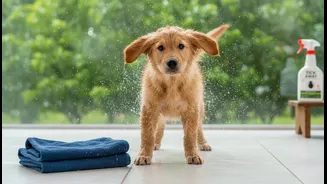
Proper cleaning after every single walk is your best defence. Simply wiping the top of the paw isn't enough; moisture and germs love to hide between the digits. For a routine clean, use pet-safe wipes or a soft cloth dipped in lukewarm water, making sure to clean between the pads. For very muddy paws, a gentle rinse with a pet-friendly cleanser may be needed. The most critical step is drying. Towel-dry each paw thoroughly, paying extra attention to the spaces between the toes. For long-haired breeds, you can even use a hairdryer on a low, cool setting to ensure no dampness remains.
Proactive Care and Prevention
Beyond daily checks, a few extra steps can make a big difference. Keep the fur around your pet’s paws neatly trimmed; long hair traps moisture and debris like a sponge. Consider applying a thin layer of a vet-approved paw balm before walks. This creates a protective barrier against moisture and irritants. At home, ensure your pet's bedding is washed regularly and kept completely dry, as damp blankets can also become a breeding ground for fungi.
When to See a Veterinarian
While good hygiene can prevent many issues, some situations require professional help. Do not try to treat a suspected infection with home remedies without a proper diagnosis, as this can sometimes make things worse. You should consult your vet if you notice any persistent symptoms like a foul odour, significant swelling, open sores, or limping. If the condition doesn't improve within a day or two of basic cleaning, or if it seems to be getting worse, it's time for a professional opinion. A vet can accurately diagnose the issue—whether it's bacterial, fungal, or allergy-related—and prescribe the correct treatment, which may include medicated wipes, ointments, or oral medication.