





The Danger Zone in Your Kitchen
The single most important concept in food safety is the 'temperature danger zone'. According to food safety authorities like FSSAI, this is the range between 5°C and 60°C. Within this zone, harmful bacteria such as Salmonella and E. coli can multiply
at an alarming rate, sometimes doubling in number every 20 minutes. In the Indian climate, where room temperatures often sit squarely in this danger zone, perishable food left on the counter can become unsafe in as little as two hours. When outdoor temperatures soar above 32-35°C, this window shrinks to just one hour. This makes understanding temperature control not just a suggestion, but a critical rule for every household.
Optimise Your Refrigerator Strategy
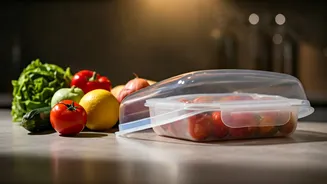
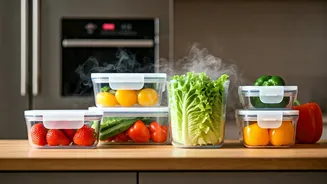
Your refrigerator is your primary defence against the danger zone, but only if used correctly. Research highlights common mistakes that compromise its effectiveness. First, avoid overloading it. A fridge that is too full prevents cold air from circulating, creating warm spots where bacteria can thrive. Aim to keep it about 70-80% full for optimal performance. Second, ensure it’s cold enough. Your fridge should be set at or below 5°C. Using a simple fridge thermometer can confirm this, as built-in dials aren't always accurate. Lastly, don't place large pots of hot food directly inside. This can raise the internal temperature, putting other foods at risk. Instead, cool hot leftovers rapidly before refrigerating—placing the pot in a basin of cold water can speed this up significantly.
Smart Storage Beyond the Fridge
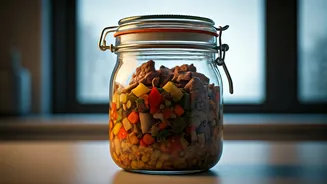
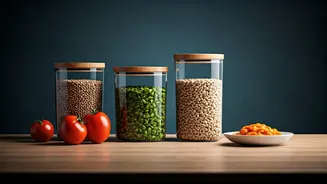
Not all food belongs in the fridge, but pantry items also need protection from heat and humidity. High temperatures can degrade the quality of canned goods, altering their taste, texture, and nutritional value. Spices, flours, and grains are particularly vulnerable to humidity, which can lead to mould and attract pests. Store them in airtight containers away from direct sunlight and the heat of the stove. Whole spices last longer than ground ones. Oils can also turn rancid more quickly in the heat, so store them in a cool, dark cupboard. The same goes for produce like onions and potatoes, which should be kept in a dry, dark, and well-ventilated area.
Navigating Power Cuts and Transport
In a country where power cuts are common, knowing how to manage your food is crucial. A closed refrigerator will keep food safe for about four hours without power; a full freezer will hold its temperature for about 48 hours (24 hours if half-full). Keep the doors shut as much as possible to retain the cold. Food safety also starts before you even get home. When grocery shopping during hot weather, make it your last stop. Pick up refrigerated and frozen items last, and use an insulated cooler bag with ice packs for the journey home, especially if it takes longer than an hour. Once home, put away all perishable items immediately.
High-Risk Foods and Cross-Contamination
Some foods are more susceptible to bacterial growth, especially in the heat. These include raw and cooked meat, poultry, seafood, dairy products, cooked rice, and pasta. A critical practice is to prevent cross-contamination. Always use separate cutting boards, plates, and utensils for raw meat and ready-to-eat foods like salads. Store raw meat on the bottom shelf of the fridge in a sealed container to prevent its juices from dripping onto other foods. Simple hygiene, like washing hands thoroughly before and after handling food, is one of the most effective ways to prevent the spread of harmful bacteria.