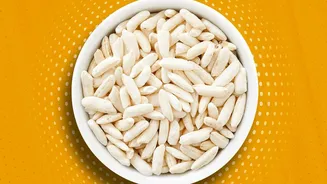



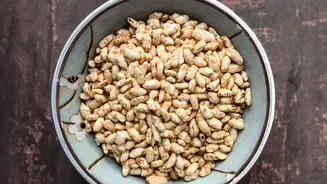

The Protein Showdown
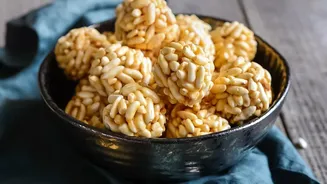
The most significant difference lies right in the headline: protein. Puffed quinoa is the clear winner here. On average, puffed quinoa offers about 13-15 grams of protein per 100 grams. In contrast, puffed rice contains significantly less, typically around
6-7 grams per 100 grams. This means quinoa puffs pack roughly double the protein of their rice-based counterparts. For a standard serving, you might get around 4 grams of protein from quinoa puffs, while puffed rice may only provide 1 gram. This difference is crucial if your snacking goal includes supporting muscle maintenance or increasing satiety, as protein helps you feel fuller for longer.
Quinoa's 'Complete Protein' Advantage
Beyond just the numbers, the type of protein in quinoa is a major nutritional advantage. Quinoa is famous for being a 'complete protein', meaning it contains all nine essential amino acids that our bodies cannot produce on their own. These amino acids are vital for everything from muscle repair to hormone production. While some experts describe it as 'nearly complete' due to lower levels of certain amino acids, it still offers a more robust profile than most plant-based sources. Rice protein, on the other hand, is incomplete. This makes puffed quinoa a more powerful ingredient for those on plant-based diets or anyone looking to maximize the nutritional quality of their protein intake.
A Look at Carbs and Fiber
When it comes to carbohydrates, both snacks are primarily carb-based. Puffed rice is almost entirely carbohydrates, with about 86 grams per 100g serving, making it a source of quick energy. Puffed quinoa has a lower carb count, generally around 69-70 grams per 100g. The more important distinction is fiber. Puffed quinoa provides a meaningful amount of dietary fiber, with some sources showing around 3 grams per serving. Puffed rice, having been made from refined white rice, contains very little fiber, often less than half a gram per serving. This higher fiber content in quinoa aids in digestion, helps manage blood sugar levels, and contributes to that feeling of fullness.
The Micronutrient Matchup
Vitamins and minerals are the hidden heroes of nutrition, and here again, quinoa pulls ahead. Puffed quinoa retains a good amount of the minerals found in the original seed, making it a good source of iron and magnesium. Iron is essential for carrying oxygen in the blood, while magnesium is crucial for muscle and nerve function. Puffed rice, especially if made from unenriched white rice, offers minimal micronutrients in comparison. For those looking for a snack that contributes to their daily mineral intake, puffed quinoa is the more nutrient-dense option.
Calories and Overall Use
If your primary goal is the lowest possible calorie count, puffed rice has a slight edge. Because it is lighter and contains less fat and protein, it tends to be lower in calories per volume. Puffed rice is excellent as a low-calorie filler or a light, crispy addition to snacks where you want crunch without much substance. However, the calories in puffed quinoa are arguably more 'functional'. They come packaged with protein, fiber, and minerals, which provide more sustained energy and nutritional benefits. Puffed rice provides quick-burning energy, while puffed quinoa offers a more balanced, slow-release fuel source.