


The 'Food' For Your Good Bacteria
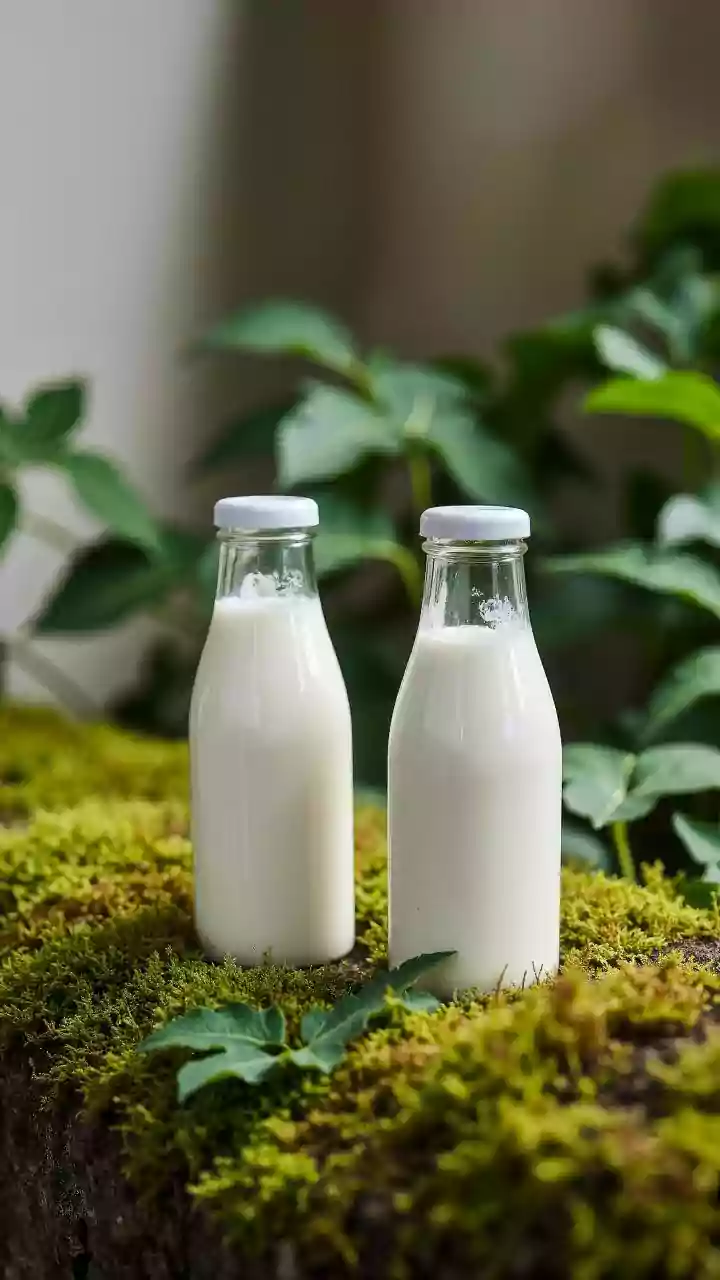
You’ve likely heard about probiotics—the 'good' live bacteria found in foods like dahi that are essential for a healthy gut. But what do these good bacteria eat? That’s where prebiotics come in. Prebiotics are types of dietary fibre that your body cannot
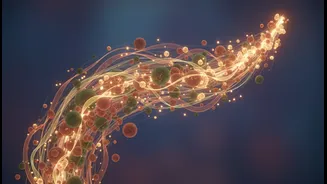
digest. Instead, they travel to your large intestine, where they act as food, or 'fertilizer', for the beneficial bacteria living there. This process helps the good microbes flourish, supporting everything from digestion and immunity to even your mood. In simple terms: probiotics are the good bacteria, and prebiotics are the food that helps them thrive.
Why A Diverse Diet Matters
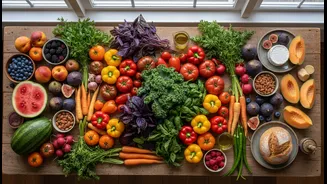
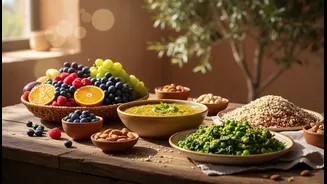
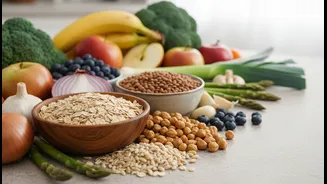
Just like a garden thrives on a variety of nutrients, your gut microbiome—the community of trillions of microbes in your gut—flourishes with a diverse diet. Different types of prebiotic fibres feed different strains of beneficial bacteria. Relying on just one or two sources would be like only feeding a fraction of your gut's inhabitants. By eating a wide range of prebiotic-rich foods, you encourage a more diverse and resilient gut ecosystem. A diverse microbiome is linked to numerous health benefits, including better digestion, a stronger immune system, reduced inflammation, and a lower risk of chronic diseases. The good news is that a traditional Indian diet, with its emphasis on a variety of plant-based foods, is naturally set up to provide this diversity.
The Humble Power of Dal
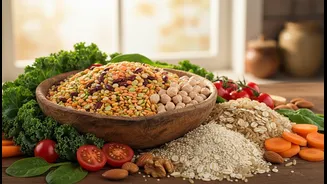
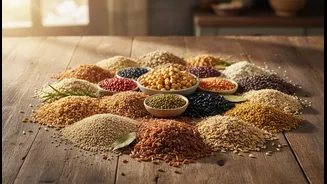
Dal is the cornerstone of Indian cuisine, and it's also a prebiotic powerhouse. Lentils, chickpeas, and beans (like chana and rajma) are packed with special types of prebiotic fibres, such as galactooligosaccharides and resistant starch. These fibres are a favorite food for your gut bacteria. When your gut microbes ferment these fibres, they produce beneficial compounds called short-chain fatty acids (SCFAs), which nourish the cells of your colon, reduce inflammation, and support overall health. The simple act of eating a bowl of dal, whether it’s masoor, moong, or toor, is an effective way to feed your gut microbiome. Eating a variety of dals throughout the week further enhances the diversity of fibres you consume.
Prebiotic Power in Your Vegetables
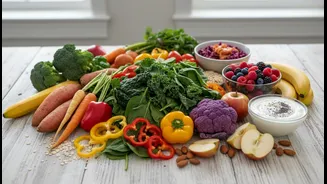
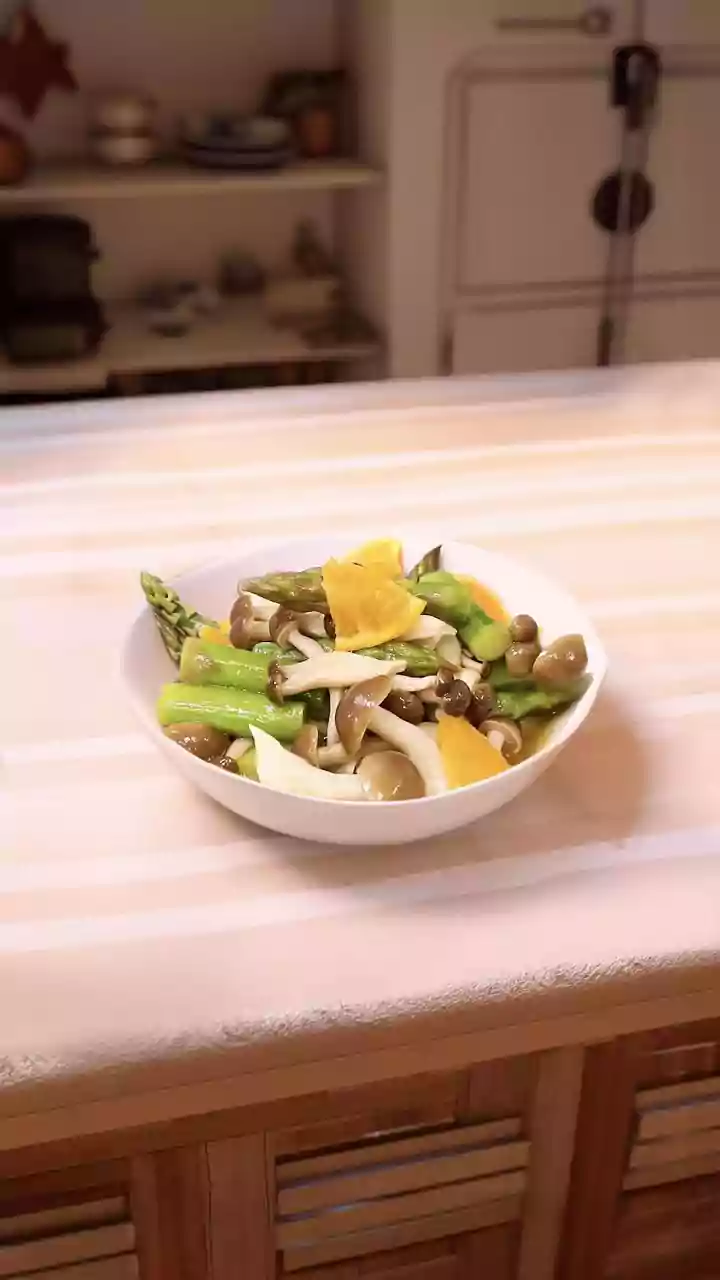
Many vegetables commonly used in Indian cooking are excellent sources of prebiotics. Onions and garlic, the flavour base of countless dishes, are rich in a prebiotic fibre called inulin. While cooking does alter their composition, they still provide meaningful benefits. For the biggest prebiotic punch, try including raw onion in a kachumber salad or raita. Other powerful prebiotic vegetables include unripe bananas, which are high in resistant starch, and are often used in sabzis and curries in South India. Leafy greens like spinach and methi, as well as root vegetables like carrots and beetroots, also contribute to a healthy gut.
Embrace Whole Grains and Millets
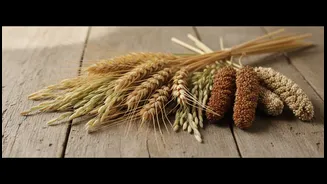
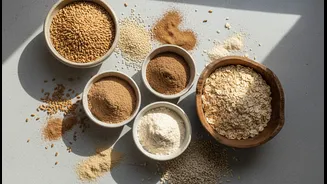
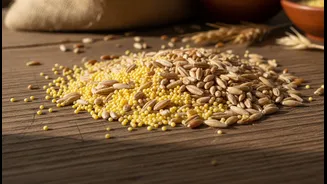
For generations, whole grains were the foundation of the Indian diet, and for good reason. Unlike refined flours, whole grains like whole wheat (atta), oats, and barley contain the entire grain—bran, germ, and endosperm—making them rich in prebiotic fibre. Oats and barley are particularly high in a fibre called beta-glucan, known for its gut-friendly properties. Millets, our ancient grains like ragi, jowar, and bajra, are also experiencing a resurgence as nutritional heroes. They are packed with fibre and resistant starch that help feed beneficial gut bacteria, promote digestive regularity, and release energy slowly. Swapping refined grains for whole wheat rotis or millet-based dishes is a simple and effective step towards better gut health.
A Day on a Prebiotic-Rich Plate
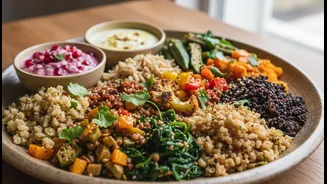
Building prebiotic variety into your day is easier than it sounds and doesn't require a complete dietary overhaul. It's about making small, mindful choices. Start your day with oatmeal or a millet-based porridge. For lunch, a classic thali of dal, a seasonal vegetable sabzi, and whole wheat or millet roti provides a fantastic mix of different fibres. A banana makes for a great afternoon snack. For dinner, you could have a chickpea curry (chana masala) with brown rice. Each of these components, already familiar and beloved, works together to nourish your gut microbiome, proving that a healthy gut can be built on the foundation of our rich and diverse culinary heritage.