





What Exactly Is Fibre-Gating?
Fibre-gating, also known as food sequencing, is the practice of eating your food groups in a specific order to manage how sugar (glucose) enters your bloodstream. It’s not a restrictive diet; you don’t have to give up your favourite foods. Instead, it’s
about strategic eating. The golden rule is simple: vegetables (fibre) first, protein and fats second, and starches or sugars (carbohydrates) last. This method has been studied for its benefits, particularly in managing blood sugar levels for people with type 2 diabetes, but its effects on energy are relevant to everyone.
The Science Behind the Slump
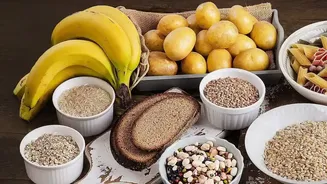
To understand why this works, you have to know why the energy crash happens in the first place. When you eat carbohydrates, especially refined ones like white rice or bread, your body breaks them down quickly into glucose. This causes a rapid spike in your blood sugar. In response, your body releases a large amount of insulin to move that sugar out of your blood and into your cells for energy. This aggressive insulin response can often overshoot, causing your blood sugar to drop quickly—leading to the classic energy crash, brain fog, and renewed cravings. This is the rollercoaster that food sequencing aims to flatten.
How Fibre Creates the 'Gate'
When you begin your meal with fibre-rich vegetables, something remarkable happens in your digestive system. The fibre forms a gel-like mesh in your stomach and small intestine. This physical barrier slows down 'gastric emptying'—the speed at which food leaves your stomach. Because this fibre 'gate' is in place, the carbohydrates you eat later are digested and absorbed much more slowly. Instead of a flood of sugar hitting your bloodstream all at once, you get a slower, more controlled release. This leads to a gentler rise in blood sugar and a more stable insulin response, preventing the subsequent crash and keeping your energy levels steady.
The Ideal Order for Any Meal
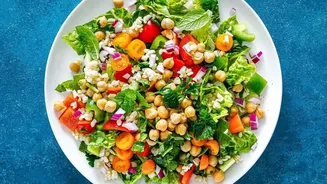
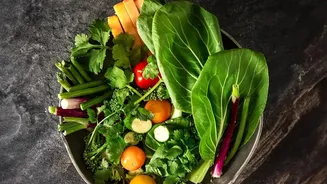
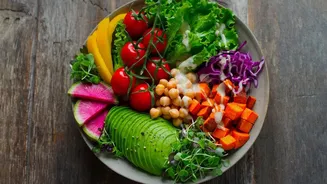
Applying this concept to your plate is straightforward. Start with non-starchy vegetables first. Think a small bowl of salad (kachumber), some sliced cucumber and carrots, or a portion of your cooked sabzi (like bhindi or cabbage). Next, move on to your protein and healthy fats. This would be your dal, paneer, tofu, chicken, fish, or curd. Finally, eat your carbohydrates. This is when you would have your roti, rice, or potatoes. By the time the carbs reach your stomach, the fibre and protein are already working to slow their absorption. This simple change can reduce post-meal glucose spikes significantly.
More Than Just Energy
The benefits of fibre-gating extend beyond just avoiding the 3 p.m. slump. Because fibre and protein promote fullness, starting your meal with them can help you feel more satisfied and for longer. This can naturally lead to better appetite control and may help prevent overeating. Over time, maintaining more stable blood sugar levels is beneficial for overall metabolic health, reducing the risk of developing insulin resistance. It also promotes better digestion for many people and supports a healthy gut microbiome.