


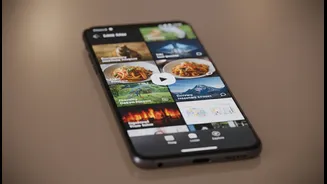


The Default: What is an Algorithmic Feed?
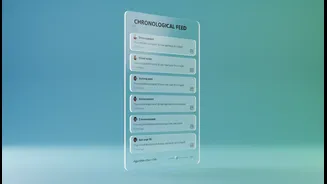
In the early days of social media, feeds were simple: posts appeared in the order they were published, newest first. This is a chronological feed. But as platforms grew, this created a firehose of content, making it easy to miss posts from friends or topics
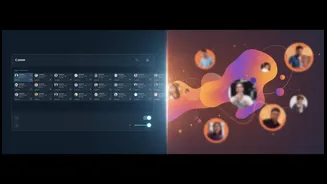
you care about. In response, platforms like Facebook, Instagram, and X (formerly Twitter) introduced algorithmic feeds. These are complex systems designed to predict what you want to see. They analyze your past behaviour—what you’ve liked, shared, commented on, and even how long you pause on a video—to curate a personalized feed designed to keep you engaged. The goal is to show you the most “relevant” content, which often means prioritizing posts that generate strong emotional reactions or that the platform believes will hold your attention the longest.
The Currency of Clicks: Your Attention
This brings us to the “attention economy.” It’s a system where your attention is treated as a scarce and valuable resource. Social media platforms offer a “free” service, but their business model relies on capturing your focus and selling it to advertisers. The more time you spend on an app, the more data they collect about your interests, and the more ads they can show you. Algorithmic feeds are the engine of this economy. They are optimized to maximize engagement, which can lead to addictive design features that exploit our psychological vulnerabilities. While this can create a highly personalized and entertaining experience, critics argue it also leads to endless scrolling, filter bubbles that limit diverse viewpoints, and a constant feeling of being manipulated.
The Creator's Conundrum: Discovery vs. The Grind
For creators, algorithms are a double-edged sword. On one hand, they offer the chance for democratized reach; a small creator can go viral and find a massive audience without a pre-existing following. Platforms like TikTok are largely built on this principle of algorithmic discovery, where users are introduced to new creators based on their interests rather than who they follow. On the other hand, creators often feel pressured to constantly “feed the algorithm.” This means creating content specifically designed to perform well according to the platform’s mysterious and ever-changing rules, which can stifle authenticity. In a purely chronological feed, every creator has a theoretically equal chance of being seen by their followers, but a post’s visibility is fleeting. With an algorithm, visibility is determined by engagement, often favouring sensational content and creating a cycle where popular creators get even more popular.
Taking Back Control: The Chronological Comeback
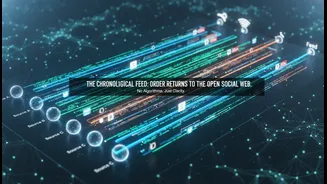
In response to user complaints and concerns about addiction, most major platforms now offer a chronological feed option, though it's often buried in the settings and isn't the default. Choosing this option means you see posts only from accounts you follow, in the order they were shared. This provides a more predictable, transparent, and often calmer user experience. You decide what’s important, not a machine learning model. The downside is that you might miss interesting posts if you don't check your feed frequently, and the experience can feel less curated. For those who follow many accounts, a chronological feed can become overwhelming, which was the original problem algorithms were meant to solve.
The Real Issue: Platform Power
Ultimately, the debate is about power. By controlling the algorithm, platforms wield immense influence over what billions of people see, think, and discuss. They have the power to shape public discourse, influence culture, and determine which businesses and creators succeed. This is often referred to as “platform power,” the combination of a platform’s vast network of users and its ability to control the interactions within that network. An algorithm-free feed is a small but significant shift. It hands a piece of that power back to the user, allowing them to curate their own information diet. It doesn’t solve all the problems of social media, but it represents a move toward greater transparency and user autonomy in a digital world increasingly governed by unseen forces.