




What is a 'Dark Sky' Location?
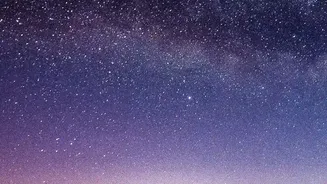
While India's first officially designated Dark Sky Reserve is in Hanle, Ladakh, the term is often used more broadly to describe places with minimal light pollution. These are typically remote areas where artificial light from cities and towns doesn't
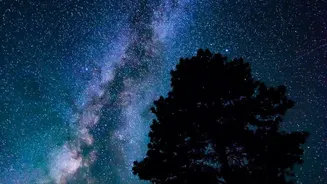
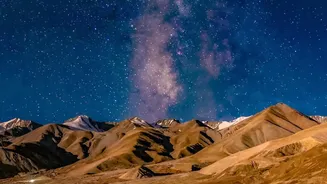
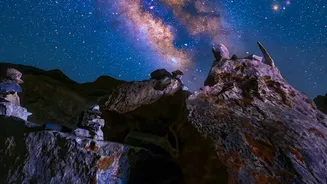
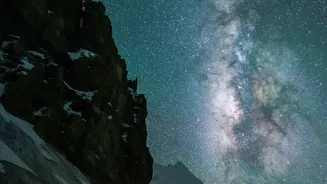
wash out the night sky, allowing the faint light of distant stars, nebulae, and even the Milky Way galaxy to be seen with the naked eye. The quality of a dark sky is often measured on the Bortle scale, with Class 1 being the darkest possible. Many high-altitude villages in Himachal Pradesh, particularly in Spiti Valley, fall into this elite category, offering a pristine window into the universe.
Himachal's High-Altitude Advantage
Several factors make the upper reaches of Himachal a stargazer's paradise. The high altitude, often exceeding 12,500 feet, means there is less atmosphere for starlight to travel through, resulting in sharper and brighter views. The region's cold desert climate, especially in Spiti, is characterized by low humidity and over 250 clear nights a year. This dry, stable air minimizes distortion and cloud cover, creating near-perfect conditions for astronomical observation. This unique combination of elevation, dry air, and distance from urban centres makes the stargazing experience here a truly high-definition one.
Where to Find the Cosmos: Key Locations
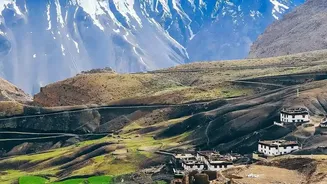
Spiti Valley is the undisputed heart of Himachal's astro-tourism scene. Villages like Langza, Komic, and Kibber are prime spots. Langza, at 14,500 feet, is famous for its giant Buddha statue, which provides a stunning foreground for Milky Way photography. Komic, one of the world's highest motorable villages, offers unobstructed 360-degree views of the horizon. Kibber's bright limestone cliffs can even glow faintly under starlight. Chandratal, the 'Moon Lake,' offers a breathtaking experience where stars reflect on the still water. Other accessible areas in Himachal, like Jibhi in the Tirthan Valley and spots near Kinnaur, also provide excellent, though less extreme, stargazing opportunities.
The Rise of Astro-Tourism
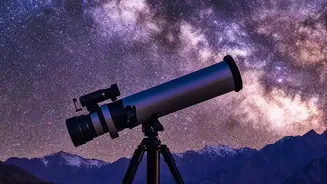
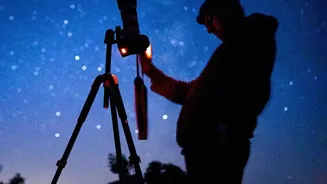
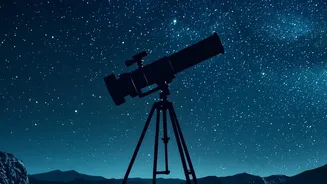
Recognizing this natural asset, Himachal Pradesh has begun to formally promote astro-tourism. In July 2025, a stargazing facility was launched in Kaza, the main town of Spiti. As part of this initiative by the Himachal Pradesh Council for Science, Technology & Environment (HIMCOSTE), local youths and homestay owners in Kaza, Langza, and Rangrik are being provided with high-end computerized telescopes and training. This move aims to empower the local tribal communities by creating sustainable livelihoods. It integrates science with culture and provides tourists with guided night-sky observation sessions, turning a natural wonder into an organized and educational experience.
Planning Your Celestial Escape
The best time for stargazing in Spiti is generally from May to September, when the weather is milder and skies are reliably clear. However, the post-monsoon months of September and October are often considered ideal, as the air is free from summer dust. Winter offers the absolute crispest skies but comes with extreme cold. Always plan your trip around the new moon, as a full moon's brightness will wash out fainter stars. Pack multiple layers of warm clothing, as even summer nights at high altitude are cold. Finally, remember to acclimatize properly to the high altitude to avoid sickness and fully enjoy your journey to the stars.