





The Ultimate Comfort Equation
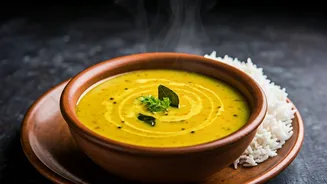
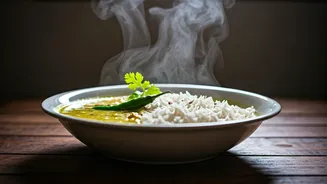
There are few culinary pairings as elemental and soul-satisfying as kadhi and chawal. It’s a dish that transcends class and region, a staple in millions of households. But during the monsoon, it transforms from a mere meal into a near-sacred ritual. The magic
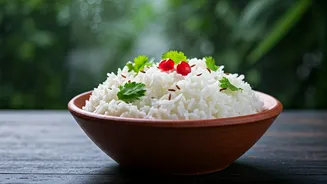
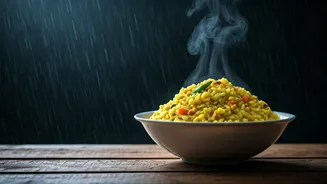
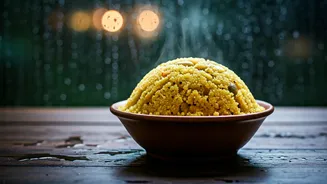
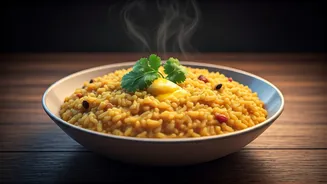
lies in its simplicity and its perfect balance. A steaming mound of fluffy white rice acts as the perfect canvas for a ladleful of kadhi—a slow-simmered, golden-yellow curry made from sour yoghurt (dahi) and gram flour (besan), spiced with turmeric, ginger, and a tempering of mustard seeds, curry leaves, and dried red chillies. The combination is a masterclass in texture and taste: the soft grains of rice soaking up the tangy, savoury, and subtly spicy gravy creates a comforting warmth that feels tailor-made to counter the damp chill of a rainy day.
The Irresistible Crunch of Pakoras
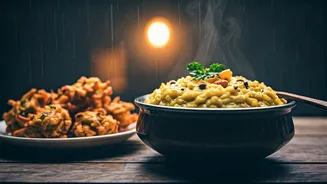
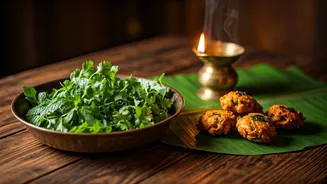
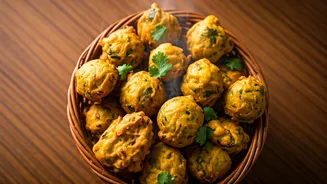
What elevates a good bowl of Kadhi Chawal to a sublime experience? The answer, invariably, is the pakora. These crispy, deep-fried fritters, often made with onions or mixed vegetables dunked in a besan batter, are non-negotiable for many. They can be served on the side, ready to be dipped into the kadhi, or submerged within the gravy itself, where they soften slightly and absorb all the tangy flavour. This addition provides a delightful textural contrast—the soft rice, the smooth kadhi, and the crunchy (or spongy) pakora. The craving for fried food is almost universal during the monsoon, and the pakora satisfies this urge perfectly, making the entire dish an indulgent yet homely treat. It’s the crunch that punctuates the comfort.
A Dish Steeped in Tradition
The connection between kadhi and the monsoon isn't just about taste; it's also rooted in traditional wisdom. According to some Ayurvedic principles, the digestive system can become sluggish during the rainy season. Yoghurt-based kadhi, especially when made with buttermilk and spiced with ingredients like ginger and asafoetida (hing), is considered light on the stomach and easy to digest. Furthermore, with fresh green vegetables being less available or reliable during heavy rains, pantry staples like besan and dahi become the heroes of the kitchen. This practicality, passed down through generations, has cemented Kadhi Chawal’s place as a monsoon essential. It’s a dish born of necessity that evolved into a beloved tradition.
A Tapestry of Regional Flavours
While the core concept remains the same, kadhi is a beautiful reflection of India’s culinary diversity. Every region has its own signature twist. The Punjabi Kadhi Pakora is thick, spicy, and rich, a hearty meal in itself. In Gujarat, the kadhi is famously sweet, thin, and often made without pakoras, offering a completely different flavour profile. The Rajasthani version is fiery and pungent, relying heavily on spices to combat the region's climate. Go further south, and you'll find variations that incorporate coconut and different tempering spices. This adaptability ensures that no matter where you are in India, a version of kadhi is waiting to welcome the monsoon. Each bowl tells a story of its origin, yet they all share the same language of comfort.
More Than a Meal, It’s a Memory
Ultimately, the enduring magic of Kadhi Chawal lies in its power to evoke nostalgia. For many, the aroma of kadhi simmering on the stove is inextricably linked to childhood memories—of watching the rain from a window, of a mother or grandmother expertly dropping pakoras into hot oil, of the family gathering together for a simple, hot meal. It’s the taste of home, of safety, and of uncomplicated happiness. It’s a culinary hug in a bowl, a reminder that even on the gloomiest of days, there is warmth and comfort to be found in the simplest of pleasures.