





Choose Your Destination Wisely
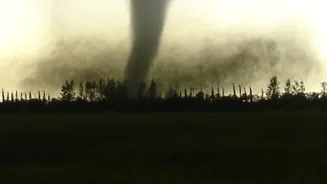
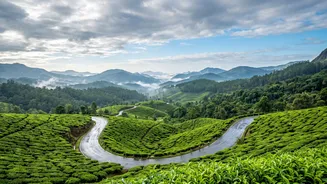
Before you get swayed by breathtaking photos of rain-washed hills, do a reality check on the destination itself. Some regions blossom in the monsoon, while others become hazardous. Mountainous areas in states like Himachal Pradesh and Uttarakhand, for example,
are often prone to landslides and road blockages during heavy rains. Instead, consider destinations with better infrastructure and a history of being less affected by severe weather. Check recent weather patterns and avoid places known for flash floods or being cut off from connectivity. Places like Rajasthan, which receives minimal rainfall, or parts of the Deccan plateau can offer a beautiful and safer experience. A little research into the destination's monsoon profile is the most critical first step.
Decode the Weather Forecast
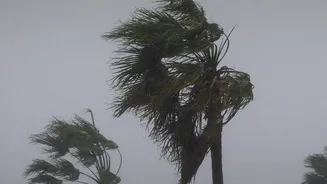
A simple rain icon on a standard weather app is not enough. For travel within India, the India Meteorological Department (IMD) is your most reliable source. The IMD issues district-level, colour-coded warnings (Green, Yellow, Orange, and Red) that predict the potential impact of rainfall. An Orange alert advises you to be prepared for disruptions, while a Red alert signals a high probability of severe weather that could pose a safety risk and disrupt travel. Monitor these detailed forecasts on the official 'Mausam' app or website in the days leading up to your booking and trip. Also, check for advisories from the National and State Disaster Management Authorities (NDMA and SDMAs) for real-time updates on road closures and local conditions.
Vet Your Accommodation Thoroughly
Your hotel or homestay is your safe haven during a downpour, so its location and facilities are crucial. When booking, don't just rely on glossy pictures. Look for properties on higher ground to avoid the risk of flooding. Read recent reviews, specifically looking for mentions of how the property fares during the rainy season. It's a good idea to call the hotel directly to ask about their power backup situation, as outages can be frequent. Enquire about the accessibility of the road leading to the property during heavy rain and if they have had issues with waterlogging in the past. A resort with good indoor amenities like a library, on-site restaurant, or covered lounges can make a rainy day enjoyable rather than a washout.
Confirm Transport Reliability
Monsoon rains can wreak havoc on transportation schedules, causing delays and cancellations for flights, trains, and buses. If you plan to drive, be aware that even major highways can become waterlogged, and hilly roads carry the risk of landslides. Before booking, investigate the typical reliability of your chosen mode of transport during the monsoon. When booking flights or trains, look for flexible or refundable options. If undertaking a road trip, ensure your vehicle is serviced, with special attention to tyres and wipers. It is also wise to have roadside assistance as part of your insurance, as breakdowns are more common in this season.
Check Your Insurance Policy
Travel insurance is always a good idea, but it's essential during the monsoon. However, not all policies are created equal. Before purchasing a plan, read the fine print to ensure it specifically covers trip cancellations, delays, or interruptions due to weather-related events like floods and landslides. Many basic policies might exclude such 'acts of God'. A comprehensive plan that covers non-refundable bookings for hotels and activities can save you from significant financial loss if you have to cancel your trip due to a weather warning. For those driving, an add-on that covers engine damage from waterlogging (hydrostatic lock) is also worth considering.
Plan for Health and Hygiene
The monsoon season brings a higher risk of water-borne and vector-borne diseases like dengue and malaria. While packing is a post-booking task, your pre-booking check should involve ensuring your destination has access to reliable medical facilities. When planning, factor in health precautions. Always plan to drink bottled or purified water and be extra cautious about street food, which is more susceptible to contamination in humid weather. Using a strong insect repellent is non-negotiable. Planning for a healthy trip from the start ensures you return with only good memories.