




A Conscious Shift on the Indian Plate
Across urban India, a distinct trend is taking shape. More people are moving away from diets dominated by refined carbohydrates and highly processed foods, turning instead toward whole, nutrient-dense meals. This isn't just about cutting calories; it's
a more profound shift towards 'conscious eating'. Consumers are asking more questions about where their food comes from and what it does for their bodies. At the centre of this movement is a renewed appreciation for fibre, a carbohydrate that the body can't digest but which plays a crucial role in overall health.
Why Fibre, and Why Now?
Several factors are driving this fibre renaissance. The global wellness conversation has made concepts like gut health mainstream, and Indian consumers are tuning in. Nutritionists and health influencers are increasingly vocal about fibre's benefits for managing lifestyle diseases like diabetes and heart conditions, which are on the rise in India. The recommended daily intake of fibre for an Indian adult is between 25-40 grams, yet many urban diets fall short of this, sometimes providing less than 20 grams. This growing awareness of a national 'fibre gap' is motivating people to make more informed dietary choices.
The Science, Made Simple
So, what exactly does fibre do? It comes in two main forms. Soluble fibre, found in oats, beans, and fruits like apples, dissolves in water to form a gel. This process slows down digestion, which helps control blood sugar spikes and can lower cholesterol. Insoluble fibre, present in whole grains and vegetables, doesn't dissolve. Instead, it adds bulk to stool, promoting regular bowel movements and preventing constipation. Perhaps most importantly, certain fibres act as prebiotics, which are essentially food for the beneficial bacteria in your gut. A healthy gut microbiome is linked to everything from a stronger immune system to better mental health.
The Glorious Return of Traditional Foods
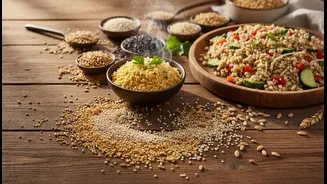
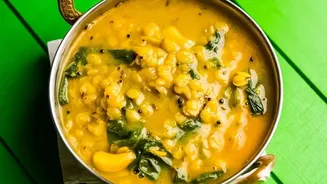
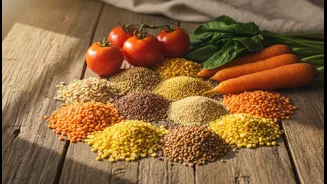
What makes this trend particularly powerful is its embrace of traditional Indian ingredients. This isn't about chasing expensive Western fads. The heroes of India's fibre movement are local and accessible. Millets like jowar (sorghum), bajra (pearl millet), and ragi (finger millet) are making a major comeback. Once considered 'forgotten grains' that lost ground to wheat and rice, they are now celebrated for their high fibre content and resilience. A single 100g serving of bajra or jowar can provide over 10 grams of fibre. Similarly, dals and legumes like chana, rajma, and moong are being recognized not just for their protein, but as fibre powerhouses that keep you feeling full and satisfied.
Easy Ways to Fuel Up on Fibre
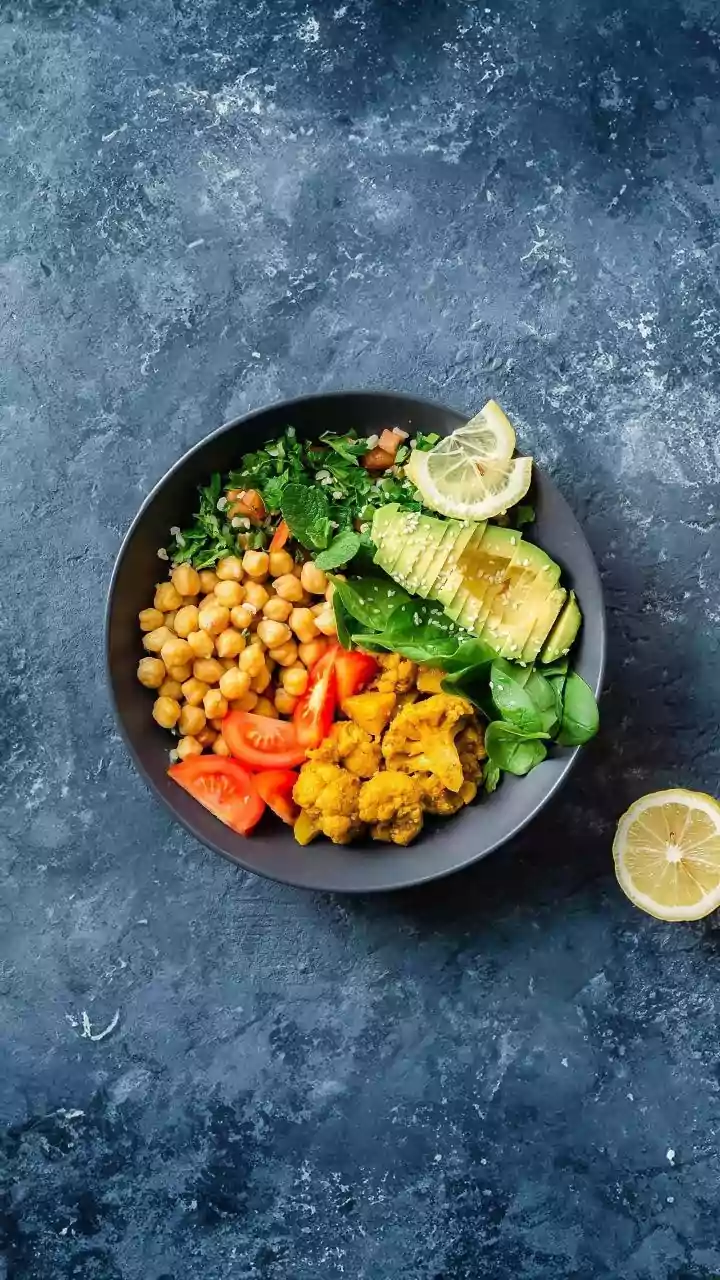
Joining this healthy movement doesn't require a complete dietary overhaul. Small, sustainable swaps can make a big difference. Start by replacing refined white rice with brown rice or millets a few times a week. Choose whole wheat or multigrain atta for your rotis. Make it a goal to fill half your plate with vegetables at lunch and dinner. Snacking smart is another easy win; swap packaged biscuits for a handful of roasted chana, sprouts chaat, or seasonal fruits like guava, which is exceptionally high in fibre. Even simple additions like a cucumber-tomato salad with your meal can significantly boost your daily fibre intake.