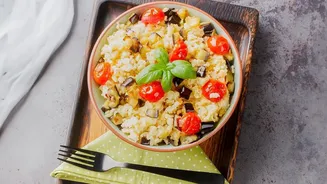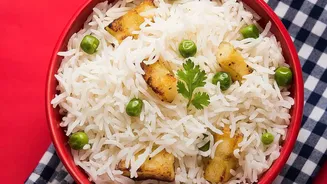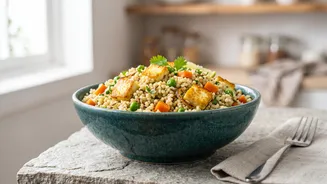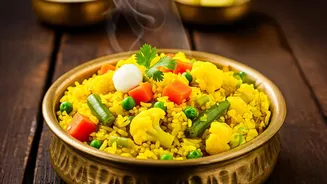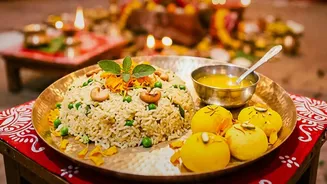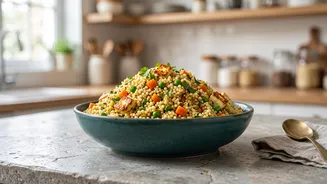





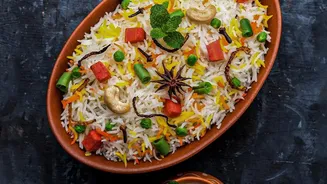
Millet pulao is a game-changer for a healthy lunch—flavourful, nutritious, and satisfying. But the secret lies in the texture. Forget mushy grains; we're unlocking the simple techniques to cook a perfectly fluffy and delicious millet pulao every time.
The Mighty Millet Advantage
Before we get to cooking, let’s appreciate why millets deserve a spot on your plate. These ancient grains are nutritional powerhouses, making them an excellent choice for a balanced meal. They are naturally gluten-free and packed with protein, fibre, and essential minerals like iron and magnesium. The high fibre content aids digestion, helps you feel full longer, and supports steady blood sugar levels, preventing those post-lunch energy crashes. Swapping rice for millet in your pulao significantly boosts the nutritional value, with some varieties offering double the protein and many times more fibre.
Choosing the Right Grain for Pulao
Not all millets are created equal when it comes to a fluffy pulao. For a texture that closely mimics basmati rice, foxtail millet is widely considered the best choice. Its grains tend to remain separate and light after cooking. Barnyard millet is another great option that cooks up light and fluffy. Little millet and kodo millet also work well, though they can sometimes yield a slightly stickier or chewier result depending on the cooking method. If you're new to cooking millets, starting with foxtail millet is a forgiving way to achieve that desirable pulao texture.
Four Secrets to a Fluffy Texture
Achieving perfectly separate grains is the hallmark of a great pulao. The most common mistake is ending up with a sticky, mushy mess. Here’s how to avoid it: 1. Rinse Thoroughly: Millets can have dust or residue. Rinse them under running water 3-4 times until the water runs clear. 2. Master the Water Ratio: This is crucial. A general rule for a fluffy pulao is a 1:2 ratio of millet to water (one cup of millet to two cups of water). Using too much water is the primary cause of stickiness. 3. Don't Stir While Cooking: Once you've added the water and brought it to a boil, resist the urge to stir. Stirring breaks down the grains and releases starches, leading to a gummy texture. 4. Let It Rest: After the cooking is done, let the pulao rest, covered, for at least 5-10 minutes. This allows the grains to absorb the remaining steam and firm up, making them easy to fluff with a fork without breaking.
Building the Aromatic Pulao Base
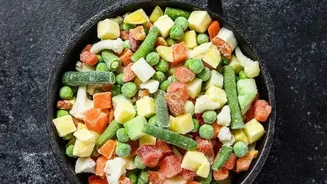
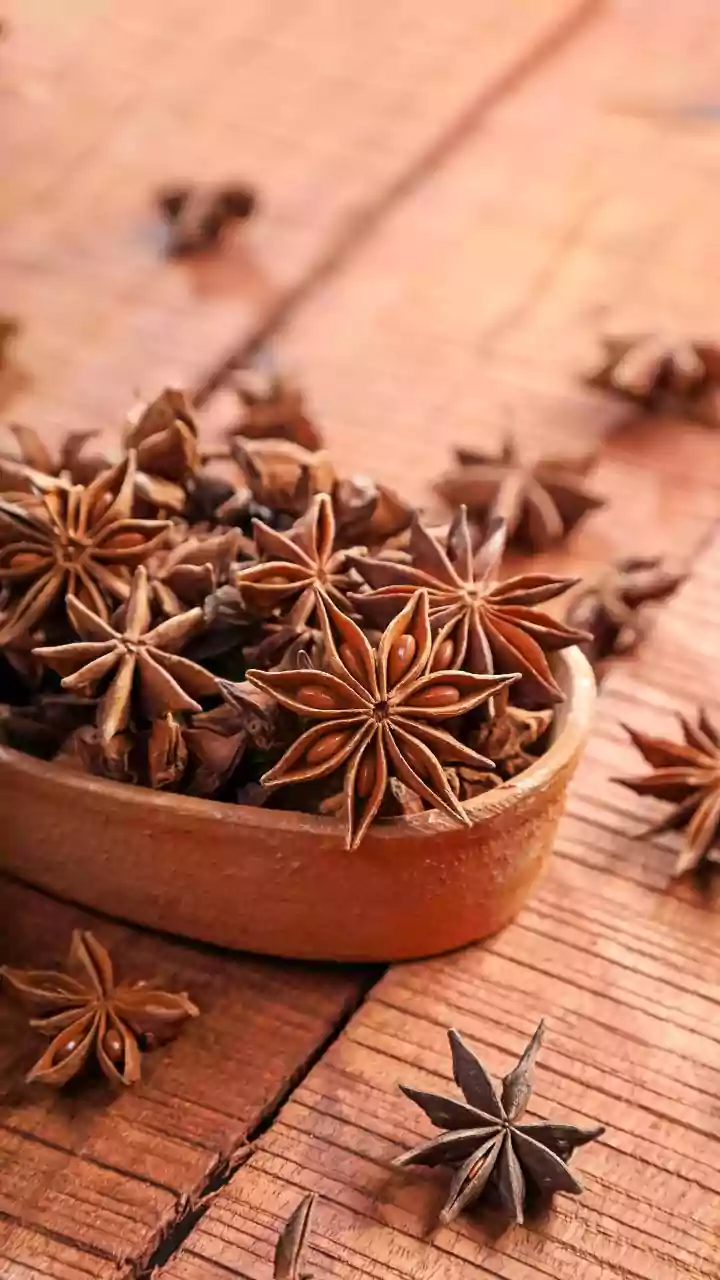
A great pulao starts with a flavourful foundation. Begin by heating ghee or oil in a heavy_bottomed pot or pressure cooker. Add whole spices like cumin seeds, bay leaves, cinnamon, and cloves, and let them sizzle for about 30 seconds to release their aroma. Next, sauté sliced onions until they turn soft and golden brown. This is followed by ginger_garlic paste, which should be cooked for a minute until its raw smell disappears. Finally, add your choice of chopped vegetables—carrots, beans, peas, and potatoes are classic additions. Sauté them for a few minutes before adding the millet.
Your Step_by_Step Pulao Guide
Ready to cook? Here’s a simple method for a stovetop pressure cooker: 1. Heat ghee or oil and temper your whole spices. Sauté onions until golden, then add ginger_garlic paste. 2. Add your mixed vegetables and stir_fry for 2–3 minutes. 3. Add the rinsed and drained millet, gently mixing it with the vegetables and spices for about a minute. 4. Pour in the water (using the 1:2 ratio) and add salt to taste. You can also add fresh mint leaves at this stage for extra flavour. 5. Bring the mixture to a boil, give it one final stir, and then close the pressure cooker lid. 6. Cook on a medium flame for about 2–3 whistles. Turn off the heat and allow the pressure to release naturally. Do not rush this step. 7. Once the pressure has settled, open the lid, let it rest for another 5 minutes, and then gently fluff the pulao with a fork. Garnish with fresh coriander and a squeeze of lemon juice before serving.