






A Cultural Shift in Fitness
For decades, the mainstream idea of 'getting fit' in India was synonymous with cardio. Hours on the treadmill, long runs, and cycling were seen as the primary paths to weight loss and heart health. While cardiovascular exercise remains vital, a significant
shift is underway. People are now seeking a more holistic definition of fitness, one that includes strength, stability, and long-term capability. This change is driven by a growing understanding that a truly healthy body isn't just about endurance, but also about the power to navigate daily life with ease, from carrying groceries to playing with children. The conversation is moving beyond aesthetics and weight loss towards 'healthspan'—the number of years a person lives in good health.
More Than Just Building Muscle
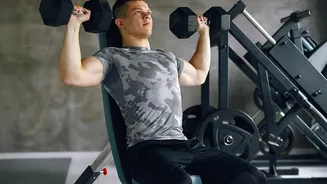
The surging interest in strength training is backed by a wealth of scientific benefits that go far beyond building bigger muscles. One of the most critical is its impact on bone density. For an Indian population where low bone density can be a concern, especially for women, resistance training is a powerful tool to strengthen bones and lower the risk of osteoporosis. Furthermore, building lean muscle boosts your metabolism, meaning your body burns more calories even at rest, aiding in sustainable weight management. Studies also highlight its profound effects on mental health, with lifting shown to reduce symptoms of anxiety and depression. It's a comprehensive upgrade for your body and mind.
Busting Pervasive Myths
Part of strength training's mainstream rise involves dismantling long-standing myths that have intimidated potential participants. The most common misconception, especially among women, is the fear of 'getting bulky'. In reality, building significant muscle mass requires a highly specific and intense regimen that doesn't happen by accident. Another myth is that strength training is dangerous for joints or unsuitable for older adults. On the contrary, when done with proper form, it strengthens the muscles and tissues around joints, improving stability and preventing injuries. For older adults, it's one of the most effective ways to maintain muscle mass, preserve functional ability, and reduce the risk of falls.
The New Faces of Strength in India
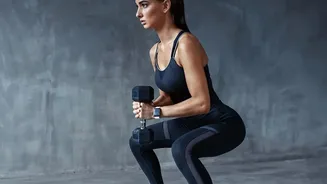
The demographic of who is lifting weights is expanding rapidly. Post-pandemic, there's been a noticeable increase in older adults hitting the gym, motivated by a desire for 'active ageing' and independence. Social media has played a huge role in this, with fitness influencers showcasing that strength is for everyone, regardless of age. Women are also claiming their space in the weights section, driven by goals of functional strength and confidence. The focus is increasingly on functional fitness—exercises like squats, deadlifts, and kettlebell swings that mimic everyday movements and build real-world strength. This trend is visible not just in big-city gyms but also in the growing popularity of home workouts and community parks with open-air gym equipment.
How to Get Started
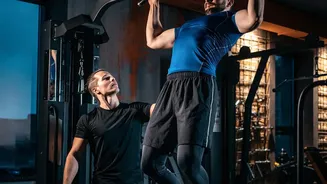
The entry point to strength training is more accessible than many believe. It doesn't have to start with a heavy barbell. In fact, experts recommend mastering form with bodyweight exercises first, such as squats, push-ups, and planks. A beginner's routine should be simple, focusing on 3 full-body workouts per week. The key principle is 'progressive overload'—gradually increasing the challenge, whether by adding another repetition, a little more weight, or reducing rest time. For those unsure where to begin, a few sessions with a qualified trainer can provide a solid foundation in proper technique and help build a safe, effective plan. Consistency is more important than intensity, especially at the start.