







What is Ambali?
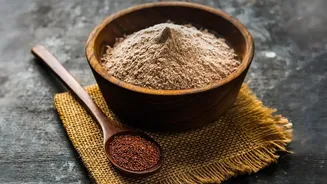
Ambali is a traditional porridge-like drink with deep roots in states like Karnataka, Andhra Pradesh, and Telangana. At its core, it’s made from ragi (finger millet) flour, which is cooked into a slurry, then allowed to cool and ferment overnight. This
natural fermentation process is what gives the drink its characteristic mild, tangy flavour and a host of health benefits. Traditionally consumed by farmers for sustained energy, it's a simple, nourishing staple that has been a part of South Indian food culture for centuries. Typically served savoury, it’s often mixed with buttermilk or curd, salt, and sometimes garnished with chopped shallots, green chillies, and coriander leaves.
A Probiotic Powerhouse for Gut Health
The secret to Ambali's rising popularity lies in its fermentation. The overnight process allows beneficial bacteria, such as Lactobacillus, to flourish, turning the simple millet porridge into a potent probiotic drink. Probiotics are live microorganisms that are essential for maintaining a healthy gut microbiome, which plays a crucial role in everything from digestion to immunity. Unlike many commercially available ragi malts or porridges that are simply cooked, the fermentation in traditional Ambali makes it functionally superior. This process not only cultivates gut-friendly bacteria but also reduces anti-nutrients like phytic acid, which in turn helps the body better absorb minerals like calcium and iron from the millet.
The Superfood Credentials of Ragi
Beyond its probiotic nature, Ambali's base ingredient, ragi, is a nutritional powerhouse in its own right. Finger millet is naturally gluten-free and boasts an impressive profile of nutrients. It is exceptionally rich in calcium, containing significantly more than other cereals, making it excellent for bone health. It's also a great source of iron, dietary fibre, and essential amino acids. The high fibre content promotes a feeling of fullness, aiding in weight management, while its low glycemic index helps in regulating blood sugar levels, making it a suitable choice for diabetics. Its natural cooling properties also make Ambali a perfect beverage for hot weather.
From Rural Staple to Urban Trend
So why is this age-old drink suddenly appearing in urban settings? The rise of Ambali is part of a larger cultural shift towards rediscovering and valuing traditional Indian foods and ancient culinary wisdom. As urban consumers become more health-conscious, there's a growing demand for natural, functional foods over processed alternatives. Ambali fits this niche perfectly. It’s a clean-label drink that offers proven health benefits without artificial additives. While it may not be on every cafe menu just yet, its appearance in health-focused eateries and the buzz on social media signal a growing interest. Cafes are beginning to tap into this trend by offering modern twists, like blending it into smoothies or adding different flavourings, making the traditional drink more accessible to a new generation of wellness seekers.