


From Checklists to Connection
The traditional vacation model—dashing through crowded cities, ticking off landmarks, and sticking to a rigid, jam-packed schedule—is starting to feel less like a break and more like a job. In its place, a new travel philosophy is emerging. Travellers
today are seeking experiences, not just destinations. The focus is shifting from seeing as much as possible to feeling something real: a connection to the place, its people, and oneself. This movement away from mass tourism is a direct response to the burnout of modern life. Instead of a trip that demands constant energy, people are craving holidays that restore it, offering fewer, more meaningful moments over a frenzy of activity. Adventure travel experts note that meaning and cultural connection are now top motivations for travellers globally.
The Rise of Wellness and Eco-Consciousness
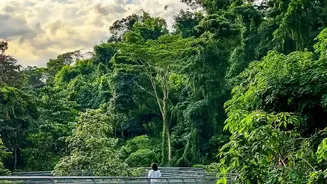
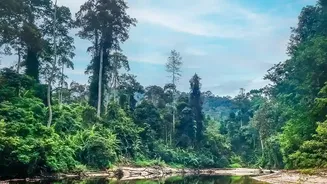
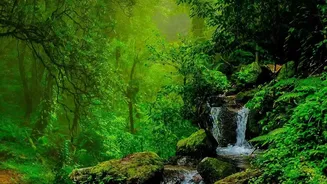
The turn towards nature is deeply intertwined with the global wellness movement. Scientific studies consistently show that spending time in natural environments reduces stress, lowers blood pressure, and enhances overall well-being. The concept of 'forest bathing', or simply being calm and quiet amongst the trees, has moved from a niche practice to a mainstream wellness goal. Rainforests, with their unparalleled biodiversity and sensory richness, offer the ultimate immersive experience. This desire for nature-based healing is mirrored by a growing environmental awareness. A 2026 survey revealed that a remarkable 88% of Indian travellers prioritise sustainability. This conscious shift means tourists are actively seeking out eco-friendly lodges and experiences that conserve nature rather than consume it.
A New Definition of Luxury
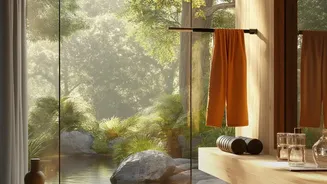
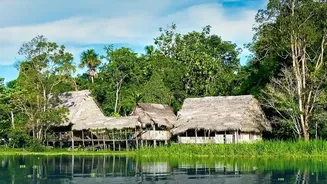
Luxury is no longer just about five-star hotels and gourmet meals, though those are still appreciated. Today's luxury is also about space, silence, and authenticity. It’s the rare privilege of disconnecting from a world of constant notifications and reconnecting with natural rhythms. Rainforest holidays deliver this in abundance. They offer exclusivity not through high prices, but through remote locations and unique encounters. The new luxury is waking up to the sound of exotic birds, spotting wildlife from your veranda, or learning about ancient medicinal plants from a local guide. Across India, the hospitality sector is responding, with wellness moving beyond the spa to become the core principle of the guest experience, centred on nature immersion and digital detoxes.
India's Own Verdant Escapes
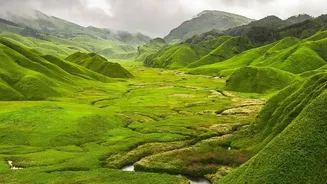
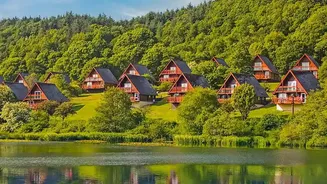
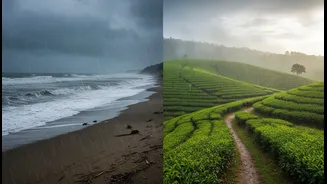
This trend isn't about flying to the Amazon; it's happening right in our backyard. India is a treasure trove of eco-tourism destinations. The Western Ghats, stretching through states like Kerala and Karnataka, offer lush rainforests, spice plantations, and sustainable homestays. Destinations such as Munnar and Coorg thrive on organic farming and responsible travel practices, encouraging guided nature walks and supporting conservation. In the northeast, states like Sikkim have become models for sustainability, blending pristine natural beauty with a strong commitment to organic farming and low-impact tourism. These accessible havens allow travellers to embrace the rainforest experience without a long-haul flight, making it a viable and increasingly popular choice for domestic tourists.
What a Rainforest Holiday Actually Looks Like
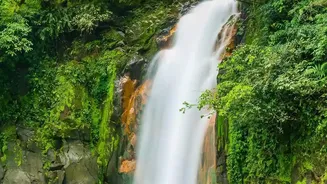
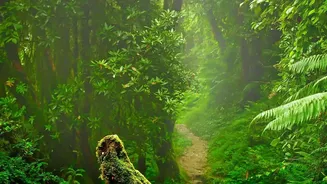
So, what does one do on a rainforest holiday? Forget frantic sightseeing. The pace is intentionally slow, a practice some call 'land snorkeling'—wandering with curiosity rather than a destination in mind. Activities are designed to deepen your connection with the environment. It might involve guided treks to hidden waterfalls, learning to identify bird calls, night walks to discover nocturnal creatures, or kayaking through quiet backwaters. The focus is on low-impact, high-immersion experiences that support local communities and conservation efforts. You might spend your days hiking and your evenings learning about the local ecosystem from conservationists, all while staying in a lodge that uses solar power and serves locally sourced food. It's an active, engaging form of rest that nourishes both body and mind.