


Makhana: The Nutrient-Dense Powerhouse
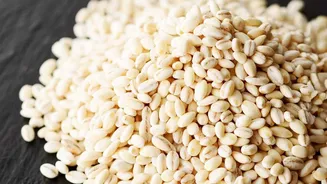
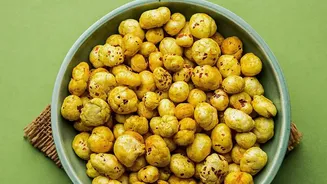
Makhana, or fox nuts, are the puffed seeds of the prickly water lily. They are a fasting favourite for good reason. Nutritionally, they are light yet dense in essential minerals. A 100-gram serving is low in calories and fat but rich in protein, fibre,
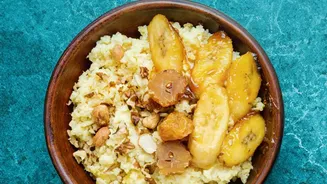
magnesium, and potassium. This profile makes them an excellent snack during fasts, as they provide sustained energy without feeling heavy. The high fibre content aids digestion, while the low glycemic index helps maintain stable blood sugar levels, preventing the energy crashes associated with other high-carb foods. Their low sodium and high magnesium content also supports heart health by helping to regulate blood pressure. Traditionally considered a 'sattvic' or pure food, makhana is easy to digest and helps maintain a feeling of lightness, which is ideal during a period of spiritual discipline. For consumption, they are incredibly versatile: simply roast them in a little ghee with rock salt for a crunchy snack, or add them to kheer for a nutritious dessert.
Sabudana: The Instant Energy Booster
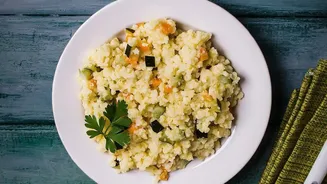
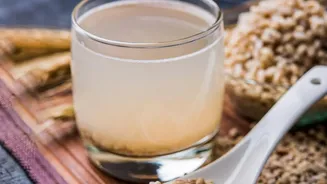
Sabudana, also known as tapioca pearls, is a processed starch extracted from the root of the cassava plant. It is almost pure carbohydrate, making it a go-to food for a quick and easily digestible source of energy during fasts. A 100-gram serving of dry sabudana contains around 358 calories and nearly 88 grams of carbohydrates, with very little protein, fat, or fibre. Its primary role in a Navratri diet is to replenish energy levels quickly, helping observers combat fatigue. However, this is also what you need to be mindful of. Because it's essentially starch, it can cause a rapid spike in blood sugar levels, so it should be consumed in moderation, especially by those with diabetes. While it is gluten-free and gentle on the stomach, some people may experience bloating. To make it more balanced, it's best to combine sabudana with other ingredients like peanuts, vegetables, and curd in dishes like khichdi or vada, which adds protein and healthy fats to the meal.
Kuttu: The Gluten-Free Pseudocereal
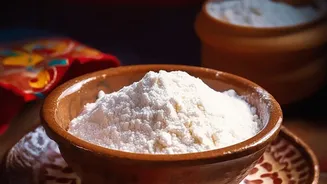
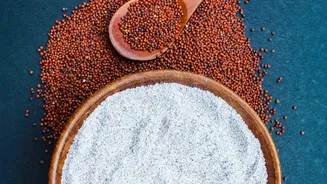
Kuttu ka atta, or buckwheat flour, is another Navratri essential. Despite its name, buckwheat is not a type of wheat; it's a seed from a flowering plant, making it a gluten-free pseudocereal that is permissible during fasts. It is nutritionally superior to many other flours, boasting high-quality protein with all essential amino acids, significant dietary fibre, and a wealth of minerals like magnesium and iron. Its high fibre content aids digestion and promotes satiety, helping to manage hunger during fasting. Furthermore, kuttu has a low glycemic index, which helps in the slow release of sugar into the bloodstream, providing stable energy. The most critical point to know about kuttu, however, is the risk of adulteration. Every year, there are reports of people falling ill after consuming adulterated buckwheat flour, which may be mixed with other cheaper flours or become contaminated due to poor storage. Symptoms can include stomach pain, diarrhoea, and nausea. To stay safe, always purchase kuttu atta from a reputable, trusted brand, check for proper packaging and expiry dates, and avoid buying it loose. If the flour appears greyish or smells musty, it's best to discard it.
A Balanced Approach to Fasting
While makhana, sabudana, and kuttu are integral to the Navratri diet, a balanced approach is essential for overall well-being. The scientific reason behind Navratri fasting, which occurs during seasonal transitions, is to give the digestive system a rest and detoxify the body. Therefore, it's important not to overload the system with heavy, fried foods. While kuttu puris and sabudana vadas are delicious, baking or air-frying them can be a healthier alternative. Balance these staples with plenty of fresh fruits, vegetables like pumpkin and bottle gourd, and dairy products like curd and paneer. Staying hydrated with water, coconut water, and buttermilk is equally crucial. The goal is to consume 'sattvic' foods that are light and easy to digest, providing nourishment without taxing the body. By understanding what you are eating, you can make mindful choices that honour both the spiritual and health aspects of the Navratri festival.