







The Big Picture: Active Monsoon Conditions
According to the latest bulletins, the southwest monsoon is expected to remain active, bringing widespread rainfall to several parts of India through the first week of August. While the long-term forecast for August and September suggests rainfall may
be below normal overall, the immediate outlook is one of intense showers in specific regions. The IMD has forecast fairly widespread to widespread rainfall across northwest, central, eastern, and northeastern India between August 2 and August 8. This active spell is driven by prevailing monsoon conditions and weather systems moving across the country.
Regional Focus: Heavy Rainfall Alerts
The IMD has issued specific warnings for several states. Heavy to very heavy rainfall is predicted for Northeast India, particularly Arunachal Pradesh, Assam, and Meghalaya, through August 6. Eastern India, including Sub-Himalayan West Bengal, Sikkim, and Bihar, is also expected to receive heavy showers. Central India, including Madhya Pradesh, Vidarbha, and Chhattisgarh, will likely see widespread rain. Northwest India is not exempt, with Himachal Pradesh and Uttarakhand on alert for heavy rainfall until August 7. Active monsoon conditions will also continue over Konkan & Goa.
For Households: How to Prepare
For homeowners, the primary concerns are waterlogging, power outages, and potential flooding. Before heavy rain begins, it is crucial to check for and seal any leaks in roofs, walls, and window frames. Clearing clogged drains, roof gutters, and balcony outlets is one of the most effective ways to prevent water from entering your home. It is also wise to prepare an emergency kit containing a torch, batteries, a first-aid kit, non-perishable food, and clean drinking water. To prevent electrical hazards, ensure all exposed wiring is repaired and consider unplugging appliances in areas prone to waterlogging. If you live in a low-lying area, moving valuable documents and electronics to a higher level can save them from damage.
For Travellers: Navigating with Caution
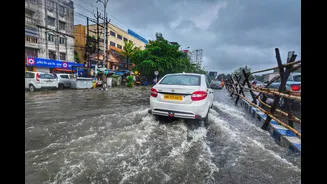
Travel during an active monsoon requires extra planning and caution. The IMD has urged commuters to check local weather updates before starting their journey, particularly in regions under a heavy rain alert. If you are driving, reduce your speed on wet roads, maintain a safe distance from other vehicles, and use your headlights for better visibility. Avoid driving through waterlogged streets, as the depth can be deceptive. For those using public transport, be prepared for potential delays and schedule changes. Railway passengers should stay behind the safety line on slippery platforms and listen for announcements. It's also advisable to carry a waterproof bag for electronic devices, a power bank, and some essential medicines.
Understanding IMD Warnings
The IMD uses a colour-coded system to communicate the severity of weather events. A 'Yellow' alert advises residents to be aware, while an 'Orange' alert means authorities expect conditions that could disrupt daily life and advises people to be prepared. A 'Red' warning, meaning 'Take Action,' is the highest alert level, indicating a forecast for severe weather that requires protective measures to save life and property. Paying attention to these local district-level alerts is the best way to stay informed and safe during the monsoon.