



Why Monsoon Demands Special Attention
The combination of high humidity and frequent rain means your dog's coat can remain damp for extended periods, creating an ideal environment for bacteria and fungi to thrive. This can lead to a host of uncomfortable and sometimes painful conditions, including
pyoderma (bacterial skin infection), yeast infections, and painful 'hot spots'. Parasites like ticks and fleas are also more active in this weather. Common signs of trouble include persistent scratching, a foul or musty odour, red or inflamed skin, and hair loss. Without a proactive grooming strategy, these minor irritations can quickly escalate, requiring veterinary intervention.
The Golden Rule: Consult Your Veterinarian
Before you change your grooming routine or purchase new products, the most critical step is to consult your veterinarian. They can assess your dog's specific health needs, check for underlying allergies that flare up in the monsoon, and recommend the right preventive measures. If an infection is already present, a vet can prescribe medicated shampoos or treatments. They can also provide the best advice on flea and tick prevention schedules, which are crucial during this high-risk season. Think of your vet as your primary partner in navigating your pet's health through the rainy season.
Grooming for Short-Coated Breeds
Breeds like Beagles, Pugs, Labradors, and Boxers might seem low-maintenance, but their short fur doesn't make them immune to monsoon problems. While they don't mat, their skin is still susceptible to moisture-related issues. The key is regular brushing, about two to three times a week, with a rubber curry brush or a bristle brush. This removes loose hair and allows air to circulate, helping the skin to stay dry. After every walk, thoroughly towel-dry their coat, paying special attention to the belly, paws, and any skin folds, as these areas trap moisture. A weekly wipe-down with a damp cloth can help keep them clean between baths, which should only be given every few weeks to avoid stripping natural oils.
Care for Long-Haired Companions
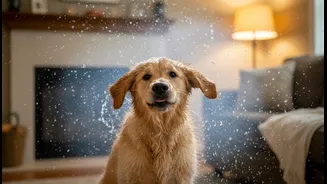
For breeds such as Golden Retrievers, Shih Tzus, and Cocker Spaniels, the monsoon poses a significant risk of matting. Damp fur tangles easily, and these mats can trap dirt and moisture against the skin, leading to severe infections. Daily brushing is non-negotiable for these dogs. A slicker brush or a de-shedding tool can help manage their undercoat and prevent tangles. Many owners opt for a shorter 'monsoon cut' from a professional groomer. This makes daily maintenance more manageable and allows the coat to dry much faster. After any exposure to rain, it's vital to dry them completely, potentially using a blow-dryer on a low, cool setting to ensure the fur is dry right down to the skin.
Managing Double-Coated Dogs
Dogs like German Shepherds, Huskies, and Pomeranians have a dense undercoat designed for insulation. In humid weather, this undercoat can act like a sponge, trapping moisture and creating a perfect microclimate for bacteria and yeast. Shaving a double-coated dog is strongly discouraged, as the outer coat provides protection and helps regulate temperature. Instead, the focus should be on regular, thorough brushing with an undercoat rake or de-shedding tool to remove loose fur and improve airflow. Ensuring they are completely dry after getting wet is paramount; a high-velocity dryer used by a professional groomer is often the most effective method to prevent moisture from getting trapped deep in the coat.
Essential Monsoon Paw and Ear Care
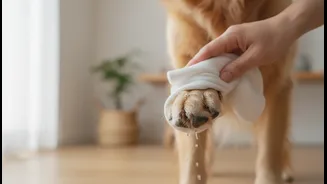
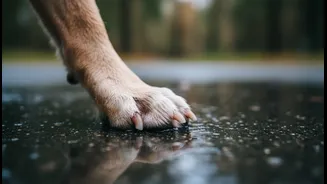
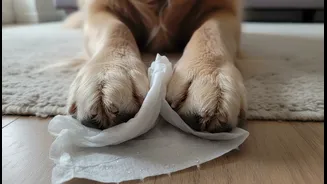
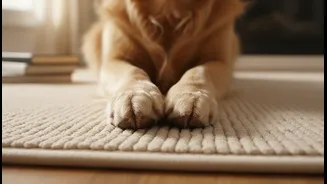
A dog's paws and ears are particularly vulnerable during the monsoon. Paws are in constant contact with muddy puddles, which can harbour bacteria. Clean and dry your dog's paws after every walk, trimming the hair between the pads to prevent mud and debris from getting stuck. Ears, especially floppy ones, can trap moisture, leading to painful infections. Gently wipe the outer part of their ears with a dry cloth or a vet-approved cleaner after walks. Never insert anything into the ear canal. Redness, discharge, or a bad smell from the ears warrants an immediate trip to the vet.