








Why the Magic Happens After the Gym
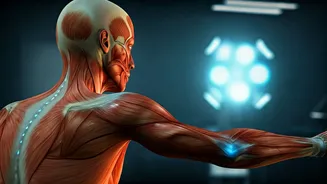
It might sound counterintuitive, but the act of working out is essentially a process of controlled damage. When you lift weights or perform intense exercise, you create microscopic tears in your muscle fibres. [3, 6] This isn't a bad thing; it’s the necessary
stress that signals your body to adapt. The workout itself is the stimulus, not the result. The actual “gains”—the repair and strengthening of muscle tissue—happen during the recovery period that follows. [1, 14] During this time, your body gets to work repairing these tiny tears, making the muscle fibres thicker and stronger than before to withstand future stress. Without adequate recovery, you're just breaking down muscle without giving it a chance to rebuild, effectively halting your progress.
Sleep: Your Ultimate Performance Enhancer
If there's one silver bullet for recovery, it’s sleep. While you rest, your body is a hive of repair activity. During deep sleep, the pituitary gland releases Human Growth Hormone (HGH), which is crucial for repairing and building muscle tissue. [4, 5, 15] At the same time, adequate sleep helps regulate key hormones. It keeps levels of cortisol, a stress hormone that can break down muscle tissue, in check. [5, 9] Conversely, a lack of sleep can slash muscle protein synthesis rates, reduce performance, and even lead to muscle loss. [8, 15] Studies have shown that even one night of poor sleep can significantly decrease performance and hormone levels essential for growth. [9, 15] Aiming for 7-9 hours of quality sleep isn't just about feeling rested; it's a non-negotiable part of any serious fitness plan. [8]
Eat to Rebuild: The Role of Nutrition
Your body can't build something from nothing. Post-workout nutrition provides the essential raw materials for repair and growth. The two most important macronutrients for recovery are protein and carbohydrates. Protein provides the amino acids necessary to repair those micro-tears and build new muscle tissue. [3, 14] Experts generally recommend consuming 20-40 grams of high-quality protein within a few hours of a workout to maximize this repair process. [13, 22] Carbohydrates are just as vital. They replenish the muscle glycogen (stored energy) that you used during your workout. [13, 25] Consuming carbs after training helps refuel your muscles, supports the muscle-building process, and prepares you for your next session. [23] A meal containing both protein and carbs is your best bet for optimal recovery. [23]
Move Gently: The Power of Active Recovery
Recovery doesn't always mean lying on the sofa. There's a difference between passive recovery (complete rest) and active recovery, which involves low-intensity movement. [10, 18] Activities like walking, gentle cycling, swimming, or yoga on your 'off' days can be more beneficial than doing nothing at all. [7] This light activity helps stimulate blood flow to the muscles, which can reduce soreness, clear out metabolic waste products like lactate, and keep your muscles flexible. [10, 16] While passive recovery is essential when you're injured or completely exhausted, incorporating active recovery can speed up the healing process and make you feel better prepared for your next hard workout. [10, 18]
Are You Doing Too Much? Signs of Overtraining
There's a fine line between pushing yourself and punishing yourself. When you consistently train hard without enough recovery, you risk developing Overtraining Syndrome (OTS). [11, 17] This isn't just feeling a bit tired; it's a state of chronic fatigue where your performance declines despite your efforts. [11, 19, 24] Key signs include persistent muscle soreness that doesn't go away, a drop in performance and strength, elevated resting heart rate, trouble sleeping, moodiness or irritability, and getting sick more often. [11, 20, 24] Listening to your body is crucial. If you notice these symptoms, it's a clear signal from your body that it needs more rest. Ignoring them can lead to injury and set your progress back by weeks or even months. [17, 24]