







Master the Art of Ventilation
The number one enemy during monsoon is trapped moisture. While it’s tempting to keep everything shut against the rain, this prevents air circulation and encourages dampness. Make it a habit to open windows on opposite sides of your flat for at least 30
minutes a day, especially when it’s not actively raining. This creates cross-ventilation that pushes stale, humid air out. In high-humidity zones like kitchens and bathrooms, always use the exhaust fan to expel steam and moisture. Running the fan for 20-30 minutes after a hot shower can make a significant difference.
Defend Your Wardrobe Wisely
Closets in small flats are often packed tight with poor airflow, making them prime territory for musty smells. Wooden furniture is porous and can absorb moisture from the humid air. Ensure clothes are bone-dry before storing them; even a hint of dampness will lead to mildew. To combat this, place moisture absorbers inside. Silica gel packets, often found in new shoe boxes, are excellent for small drawers. For a more traditional Indian approach, small muslin bags filled with dried neem leaves, naphthalene balls, or camphor can be tucked into corners to repel insects and absorb moisture. Try not to overstuff your cupboards, as this restricts airflow. If possible, leave a small gap between your wardrobe and the wall to allow air to circulate behind it.
Embrace Natural Odour Busters
Before reaching for chemical air fresheners that only mask smells, look to your kitchen for powerful, natural solutions. Activated charcoal is a fantastic odour and moisture absorber; place a few pieces in a decorative bowl in musty corners. Similarly, bowls of coarse salt or baking soda can be placed in rooms to draw out humidity. Coffee grounds, after they have been used and dried, are great at neutralizing odours in small spaces. For a pleasant fragrance, you can boil lemon or orange peels with cloves or cinnamon sticks to fill your home with a fresh, clean scent. Camphor is another traditional favourite, known for its strong, clean scent and antifungal properties.
Smart Cleaning and Maintenance
Mould and mildew are the primary sources of that classic monsoon smell. Regular cleaning is your best defence. Wipe down walls, windowsills, and furniture with a dry cloth frequently. For a more potent solution on non-porous surfaces, a spray made of equal parts white vinegar and water can help prevent mould growth. Pay special attention to bathrooms and the area under the kitchen sink. Rolling up expensive carpets and rugs during this season can also help, as they trap a significant amount of moisture and dirt. Instead, use easily washable cotton durries or mats.
When to Invest in a Dehumidifier
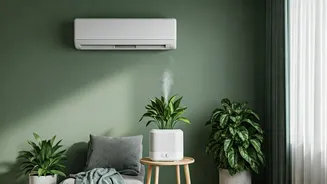
For flats with persistent dampness issues or poor ventilation, a small electric dehumidifier can be a game-changer. These devices actively pull moisture from the air, significantly lowering humidity levels and preventing the conditions that allow mould to thrive. While it's an investment, it can protect your belongings—from clothes to electronics to furniture—from long-term moisture damage. Look for a compact model suited for the size of your room. It is a more permanent solution if natural methods aren't providing enough relief in your specific environment.