





A powerful El Niño climate pattern is expected to shape global weather through the first quarter of 2027. For India, this isn't just a distant weather event; it's a critical watch-out that has historically upended monsoon rains and triggered extremes.
What Exactly Is El Niño?
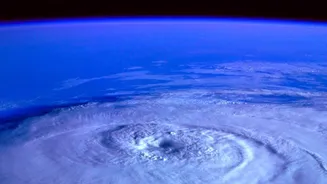
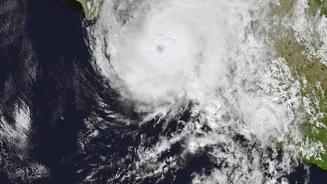
At its core, El Niño is a natural climate phenomenon characterized by the abnormal warming of surface waters in the central and eastern tropical Pacific Ocean. This event occurs every two to seven years and fundamentally alters global atmospheric circulation. Think of it as a massive heat release from the ocean into the atmosphere, which disrupts typical weather patterns worldwide. In a normal year, trade winds push warm water west towards Asia, but during an El Niño, these winds weaken, allowing the warm water to shift eastward, which sets off a chain reaction of climate impacts across the globe.
Why This El Niño Is Considered 'Strong'
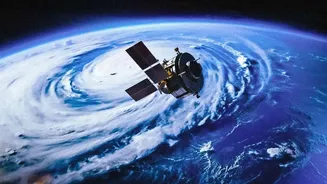
Not all El Niños are created equal. Their strength is measured by how much the sea surface temperatures deviate from the average. Current forecasts from the India Meteorological Department (IMD) and the World Meteorological Organization (WMO) indicate that the ongoing event is not just strong, but potentially historic. Sea surface temperatures in the key monitoring region of the Pacific have already climbed significantly above average, with forecasts suggesting they could peak towards the end of 2026. The WMO and other agencies have noted an 'exceptionally high likelihood' of strong conditions persisting through January to March 2027, a level of confidence that is rare in long-range forecasting.
The Critical Link to India's Monsoon
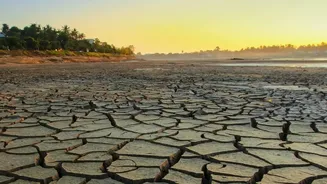
For India, the primary concern with any El Niño is its effect on the vital southwest monsoon, which delivers about 70-80% of the country's annual rainfall. Historically, there is a strong correlation between El Niño years and deficient monsoon rainfall. The warming of the Pacific alters large-scale air circulation patterns, including the Walker Circulation, which can lead to suppressed cloud formation and reduced rainfall over the Indian subcontinent. This has already been observed, with the 2026 monsoon season recording a significant deficit, impacting water reservoirs and soil moisture. While not every El Niño guarantees a drought—sometimes a positive Indian Ocean Dipole (IOD) can counteract its effects—a strong event significantly increases the risk. Current forecasts show the IOD is expected to be neutral, offering little buffer against El Niño's drying influence.
Agriculture and the Economy on Alert
With nearly half of India's workforce dependent on agriculture, a weak monsoon has cascading effects on the entire economy. Reduced rainfall directly impacts crop yields, particularly for rain-fed Kharif crops like rice, soybeans, and maize. This threatens food security and can drive up food inflation, putting pressure on household budgets as prices for essentials like milk and vegetables rise. The impact extends to the Rabi (winter) crops, as low water levels in reservoirs affect irrigation. Beyond farming, a struggling rural economy leads to a drop in demand for goods like tractors and motorcycles, slowing down industrial activity. The energy sector also feels the strain, with reduced hydropower generation due to lower reservoir levels.
Beyond Rain: The Risk of Extreme Heat
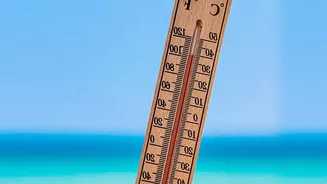
The impacts of a strong El Niño go beyond just a lack of rain. The phenomenon is also associated with warmer-than-normal temperatures and an increased risk of severe heatwaves. Meteorologists have warned that summer-like conditions could arrive as early as February 2027, compounding the stress on water resources and public health. The combination of background global warming and a powerful El Niño creates conditions ripe for breaking temperature records, as seen in previous events. This poses direct health risks, including heatstroke and dehydration, and can also exacerbate the spread of certain diseases.