





Understanding the Enemy
Fungus gnats are small, dark flies often mistaken for fruit flies. While the adults are mostly just irritating, their larvae can cause real problems. Female gnats lay their eggs in damp, rich soil. When the larvae hatch, they feed on fungi and organic
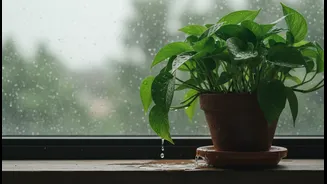
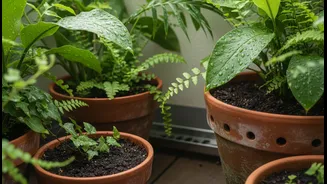
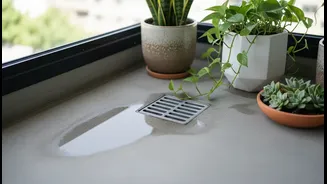
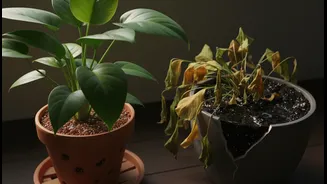
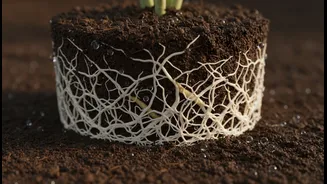
matter in the soil, which includes the delicate roots of your plants. This is especially damaging to seedlings and young plants, leading to stunted growth or even death. The core issue is moisture; these pests thrive where soil is consistently wet. Overwatering and pots with poor drainage create the perfect breeding ground for a gnat infestation.
The Drainage-Pest Connection
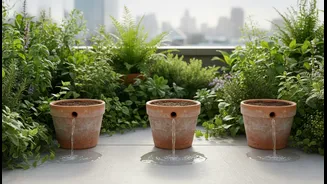
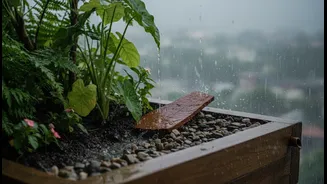
The key to eliminating fungal gnats for good is to break their life cycle. Since they depend on persistently moist soil to breed, improving drainage is the single most effective strategy. When excess water can escape freely, the top layer of soil has a chance to dry out between waterings. This makes the environment inhospitable for larvae and discourages adult gnats from laying eggs. By building a simple drainage system into your pots, you’re not just preventing root rot and creating healthier plants; you’re waging a highly effective, preventative war against these common pests.
Your Low-Cost Toolkit
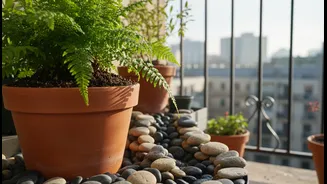
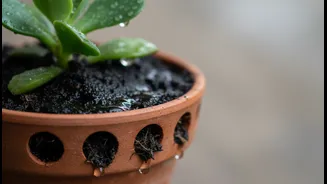
You don't need expensive materials to create an effective drainage system. Most of what you need is readily available and affordable. First, ensure your pots have drainage holes; if not, you'll need to drill some. For the drainage layer itself, you can use common materials like gravel, small stones, or broken pieces of old terracotta pots (shards). You will also need a separator to prevent soil from clogging your drainage layer. A piece of landscape fabric, fine mesh, or even an old coffee filter will work perfectly. Finally, a good quality, sterile potting mix is essential to avoid introducing new pests.
Step 1: Create the Drainage Layer
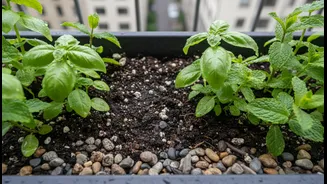
Start with your empty pot. Ensure it has at least one adequate drainage hole at the bottom. Now, create the first layer of your system. Add about one to two centimetres of your chosen drainage material—gravel, small stones, or broken pot shards—to the bottom of the container. This layer creates a space where water can collect and easily exit through the drain hole, preventing the soil above from becoming waterlogged. Be careful not to make this layer too thick, as that can actually hinder drainage by creating a perched water table higher up in the pot.
Step 2: Add the Separator
This step is crucial for the long-term success of your drainage system. Cut a piece of landscape fabric, mesh, or a coffee filter to fit the bottom of your pot. Place this directly on top of your gravel or stone layer. The purpose of this separator is to hold the soil in place while allowing water to pass through freely. Without it, fine soil particles would eventually wash down and clog the drainage layer and the exit hole, defeating the entire purpose of the system and leading you right back to waterlogged soil.
Step 3: Fill, Plant, and Water Wisely
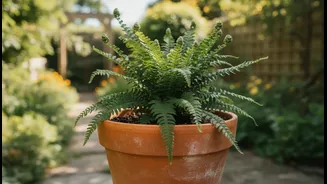
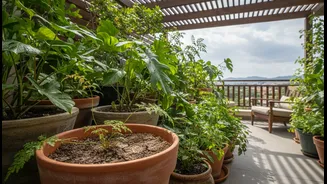
With your drainage system in place, you can now add your potting mix and plant. Fill the pot with soil, leaving enough room for your plant's root ball. Settle the plant in and fill the surrounding space with more soil, gently firming it down. After planting, give it a good watering until you see water flowing freely from the drainage hole at the bottom. Going forward, always allow the top inch or two of soil to dry out before watering again. This watering practice, combined with your new drainage system, will create the ideal environment for healthy roots and a gnat-free balcony.
Bonus: Gnat Control Strategies
If you have an existing gnat problem, the drainage system will prevent future generations, but you may want to deal with the current adults. Yellow sticky traps are highly effective at capturing the flying adults, helping to reduce the population quickly. For the larvae in the soil, watering with a solution made from Mosquito Bits, which contain a natural bacterium (Bti) toxic only to insect larvae, is very effective. A light sprinkle of cinnamon on the soil surface can also act as a natural fungicide, reducing the larvae's food source.