



A Symbol of Auspicious Beginnings
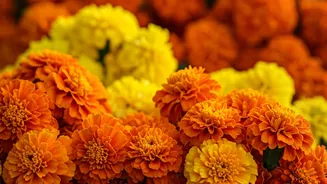
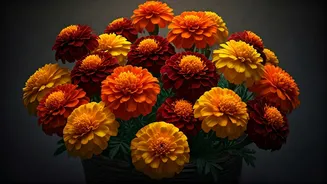
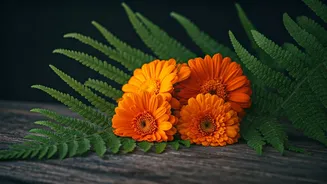
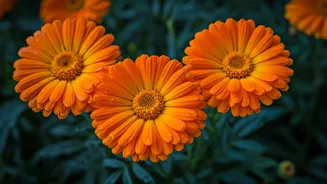
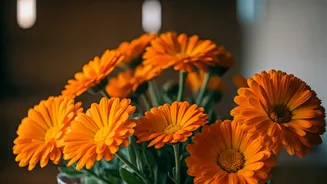
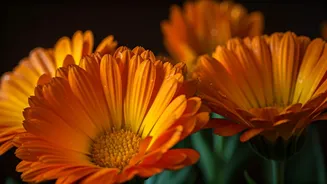
For centuries, the marigold has been deeply woven into India's cultural and religious fabric. Its vibrant, sun-kissed colours are no accident; they are believed to represent the sun's energy, bringing warmth, positivity, and creative passion into the home.
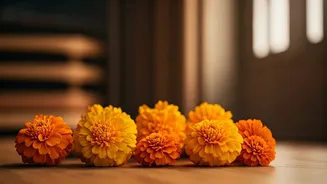
In Hinduism, the flower is considered a symbol of surrender, devotion, and purity, making it a favourite offering for deities like Lord Ganesha and Goddess Lakshmi. When strung into a 'toran' and hung across a doorway, marigolds are thought to ward off negativity and welcome good fortune, making them a fixture during festivals like Diwali and Navratri. This deep-rooted symbolism is the foundation of the flower's enduring appeal.
From Festive Staple to Everyday Chic
While traditionally associated with grand celebrations like weddings and pujas, the marigold is shedding its 'special occasion only' tag. Today, Delhi's home owners are embracing the genda for its everyday charm. Its journey from a sacred offering to a daily decor element reflects a larger trend of integrating traditional symbols into modern living. The flower’s hardiness and ability to stay fresh for days make it a practical choice over more delicate blooms. This shift signifies a deeper appreciation for items that are not only beautiful but also meaningful and connected to cultural identity.
The Allure of Local Blooms
Choosing local marigolds is a conscious decision for many Delhiites. The city's sprawling flower markets, particularly the Ghazipur mandi—one of Asia's largest—are a sensory spectacle, coming alive before dawn with heaps of fresh blooms. Sourcing flowers from these local hubs means getting the freshest produce while supporting thousands of local farmers and vendors whose livelihoods depend on this floral ecosystem. This connection to the local economy and the city's rhythm adds another layer of meaning. Waking up early to visit the 'phool mandi' has become a cherished ritual for many, a way to connect with the city's vibrant, beating heart before its daily hustle begins.
Fresh Ways to Style Genda Phool
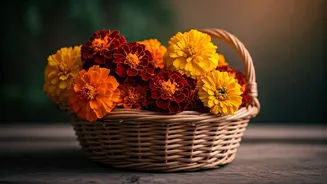
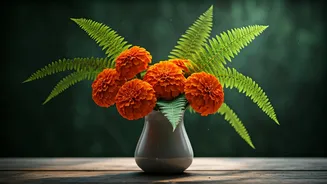
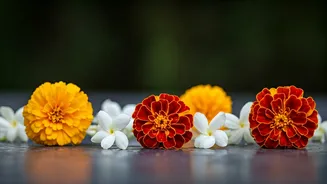
The way Delhiites style marigolds has evolved far beyond simple garlands. While traditional strings remain popular, contemporary decor calls for more creative applications. Imagine a minimalist glass vase with a single, statement marigold stem on a work desk, or a wide, shallow 'urli' bowl with floating petals and tea lights as a serene centrepiece. Some drape marigold garlands around dining chair backs for a festive touch or create stunning 'flower chandeliers' by suspending strings of genda from a branch. Combining them with fairy lights or arranging petals into a colourful rangoli pattern are other popular ideas that bring a modern twist to this timeless flower.
More Than Just a Pretty Petal
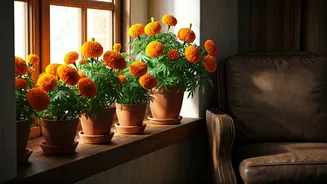
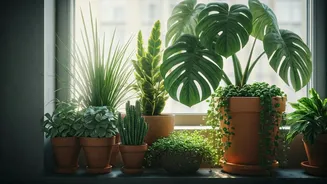
The marigold's appeal isn't purely aesthetic or spiritual; it’s also incredibly practical. The flower is known for its strong fragrance, which acts as a natural pest repellent, making it a clever choice for balconies and window sills. Furthermore, marigold has a long history in Ayurvedic traditions for its healing properties. Used in remedies for skin ailments and to aid wound healing, the flower embodies a holistic approach to wellness. This blend of beauty, belief, and practical benefits makes the marigold a uniquely versatile element in the home.