




The Philosophy of Fasting Food
Navratri fasting is more than just abstaining from certain foods; it's a spiritual practice aimed at purifying the body and mind. The diet, known as 'Sattvic' food, is designed to be light, clean, and easy to digest, which helps in maintaining energy
and focus during the period of devotion. This culinary shift involves avoiding foods that are considered 'tamasic' (heavy, dulling) or 'rajasic' (overly stimulating), such as onions, garlic, and most grains. The idea is to give the digestive system a rest while nourishing the body with wholesome ingredients that align with the spiritual goals of the festival.
The Golden Rules: What’s In and What’s Out
The pantry for Navratri fasting meals has a specific list of permitted ingredients. Regular grains like wheat and rice are replaced by alternatives such as buckwheat flour (kuttu ka atta), water chestnut flour (singhare ka atta), and amaranth flour (rajgira ka atta). Instead of rice, barnyard millet (sama ke chawal) is used for dishes like khichdi and pulao. Another key rule is the exclusion of common table salt. Instead, rock salt (sendha namak) is used for seasoning, as it is considered a purer, unprocessed form of salt. Most spices like turmeric, asafoethene (hing), and coriander powder are avoided, with flavouring coming from cumin, black pepper, green chillies, and ginger.
Staples of the Western Plate
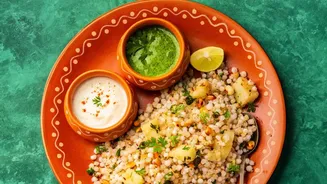
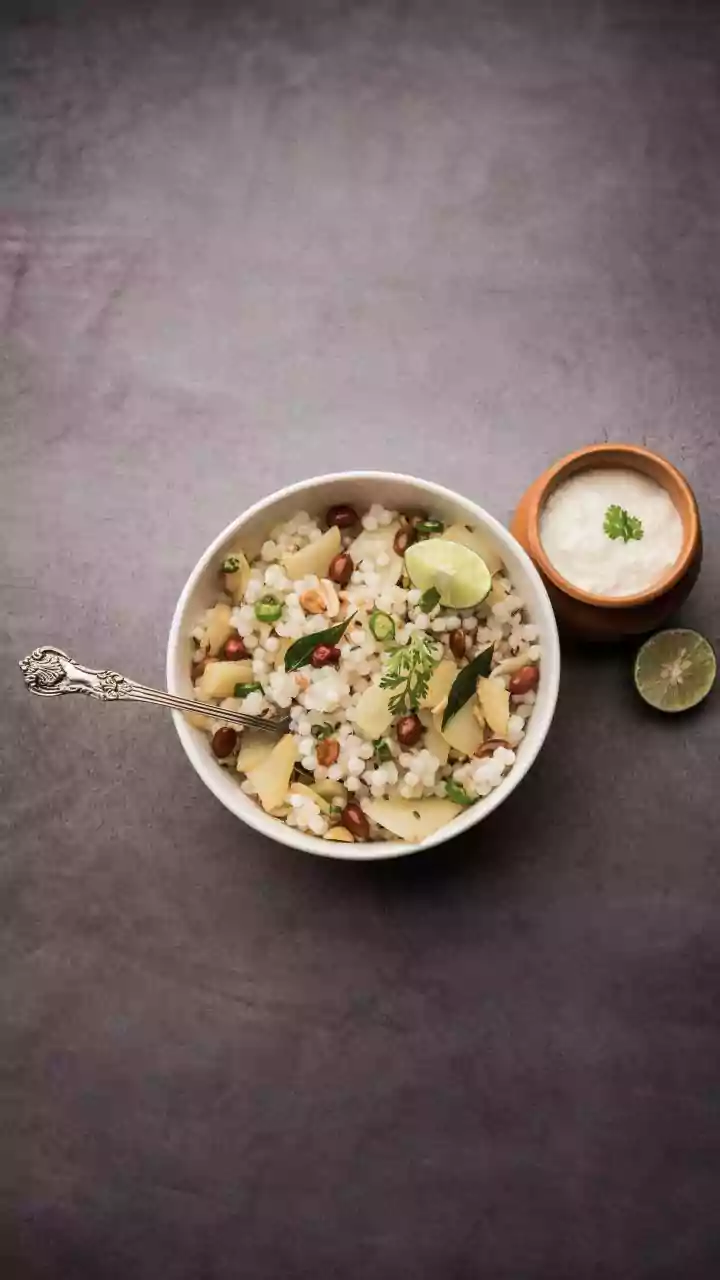
In Western India, particularly Gujarat and Maharashtra, certain ingredients are central to Navratri cuisine. Sabudana, or tapioca pearls, are a fasting superstar. These chewy pearls are a great source of carbohydrates and energy. Potatoes, sweet potatoes, and yams are other essential vegetables that provide substance and texture to many dishes. Peanuts are used generously, often roasted and crushed, to add a nutty flavour, a welcome crunch, and a dose of protein to everything from khichdis to stuffings. This combination of sabudana, potatoes, and peanuts forms the bedrock of many iconic regional fasting recipes.
Iconic Dishes and Regional Twists
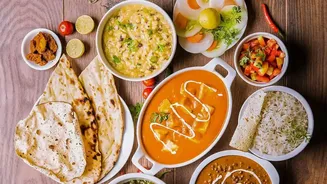
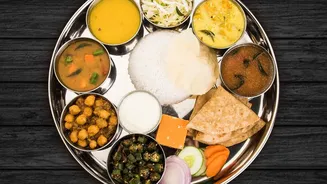
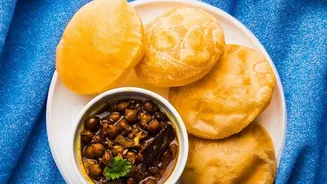
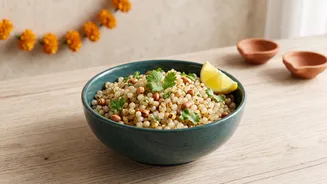
The most famous Navratri dish from this region is arguably Sabudana Khichdi. The Maharashtrian version is a savoury preparation with soaked sabudana tossed with potatoes, roasted peanuts, green chillies, and cumin. Gujarati 'farali' (fasting) cuisine often incorporates a signature sweet and tangy flavour profile. For instance, a Farali Pattice is a crispy potato patty stuffed with a sweet and savoury mixture of coconut, peanuts, and raisins. You might also find Farali Patra, where colocasia leaves are layered with a special fasting flour paste instead of the usual gram flour, offering a delightful mix of textures and tastes. Other popular dishes include puris made from rajgira or kuttu flour, often served with a simple potato curry (vrat wale aloo).
Dairy and Sweet Endings
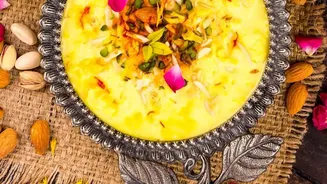
Dairy products play a significant role in providing protein and richness to fasting meals. Milk, yogurt (curd), paneer, and ghee are all permitted and widely used. A simple bowl of fruit with fresh cream or a glass of buttermilk can be a refreshing snack. For dessert, the options are equally creative. Shrikhand, a creamy, sweetened yogurt dessert often flavoured with cardamom and saffron, is a Gujarati favourite. Other sweets include kheer made from makhana (foxnuts) or sama rice, and halwas prepared with water chestnut flour (singhare ka atta) or amaranth flour.