

Why The Monsoon Is Magical Here
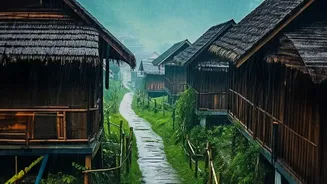
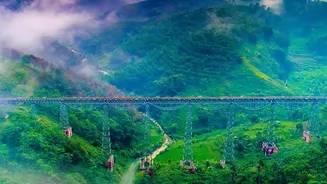
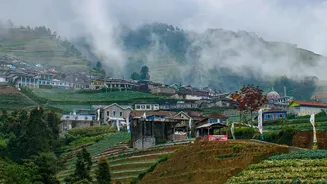
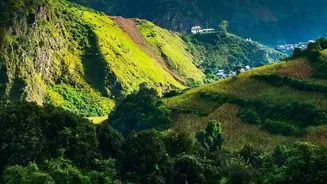
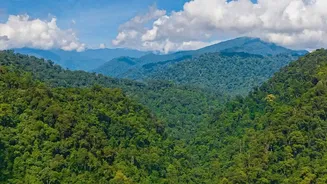
While many travellers pack their bags away at the first sign of rain, the monsoon is precisely when Northeast India unveils its most dramatic and breathtaking self. The season, typically from June to September, breathes life into the region. Forests and tea
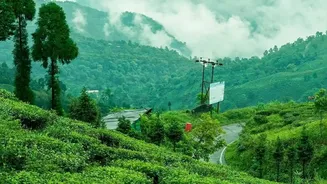
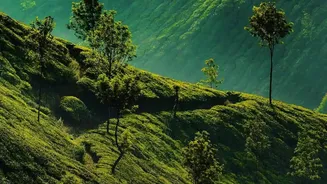
gardens turn a brilliant, deep green, valleys fill with atmospheric mist, and waterfalls, which are mere trickles in the dry season, roar to their full, thunderous glory. It is a time when the landscapes are not just seen but felt. The air is fresh, the temperatures are cool and pleasant, and the usual tourist crowds thin out, leaving you with a more intimate experience of the place. This isn't a trip for ticking off a checklist, but for slowing down and immersing yourself in nature's rhythm.
Meghalaya: In the Abode of the Clouds
It’s no surprise that Meghalaya, whose name translates to “Abode of Clouds,” is a prime monsoon destination. Towns like Cherrapunji and Mawsynram, known for being among the wettest places on Earth, transform into a mystical paradise. This is where you can witness the full power of iconic waterfalls like Nohkalikai and the Seven Sisters Falls. The famous living root bridges, particularly the double-decker bridge in Nongriat village, look even more spectacular against the lush, rain-fed greenery. The drive from Shillong to Cherrapunji becomes an experience in itself, with roads winding through mist-covered hills and valleys that seem to appear and disappear in the shifting clouds. For the adventurous, Mawlyngbna offers water treks and cliff jumping in natural pools.
Sikkim: Mystical Peaks and Roaring Falls
Sikkim’s charm is amplified during the monsoon. While heavy rains can make some higher altitude areas inaccessible, the lower and mid-altitude regions become exceptionally beautiful. Waterfalls are a major attraction, with cascades like Kanchenjunga Falls and the Seven Sisters Waterfalls (a different one from Meghalaya's) flowing with immense power. The state's lush tea gardens in places like Temi look vibrant, and the towns of Pelling and Yuksom offer misty views and serene trails. The Banjhakri Falls near Gangtok, set within a cultural park, is another popular spot that combines nature with local lore. The rain washes the landscape clean, leaving behind a world of emerald greens and the soothing sound of flowing water.
Arunachal Pradesh: The Allure of Ziro Valley
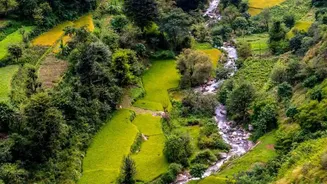
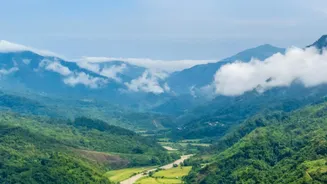
For a truly unique monsoon experience, head to Ziro Valley in Arunachal Pradesh. This UNESCO World Heritage tentative site becomes a vibrant green paradise during the rains. The valley is famous for its unique agricultural system where the Apatani tribe practices wet rice cultivation combined with fish farming. During monsoon, these paddy fields stretch for miles like a shimmering green carpet under misty hills. The cool, pleasant weather is perfect for exploring the Apatani villages like Hong and Hari, interacting with the locals, and understanding their sustainable way of life. While the Ziro Music Festival in September gets a lot of attention, visiting during the peak monsoon months of July and August offers a quieter, more profound connection to the land.
Assam: Haflong and the Brahmaputra's Embrace
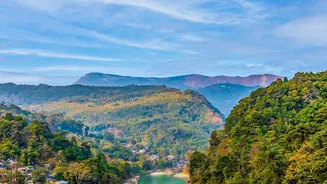
In Assam, the state’s only hill station, Haflong, becomes a misty dreamscape during the monsoon. The hills are covered with lush vegetation and clouds often descend, creating a picturesque and tranquil atmosphere. While the mighty Brahmaputra river can experience floods, the world’s largest river island, Majuli, offers a different kind of soulful experience for the prepared traveller. The monsoon transforms the island into a lush, green expanse, and getting around on a scooter through rain-washed trails can be an adventure in itself. However, travel to Majuli during this season can be unpredictable and requires flexibility due to potential flooding.
A Note on Safe and Smart Travel
While beautiful, monsoon travel in the Northeast requires preparation. Landslides and roadblocks are a possibility, so it's crucial to build buffer days into your itinerary and remain flexible with your plans. Hiring a local driver who knows the terrain and safe routes is highly recommended. Pack waterproof gear, non-slip footwear, quick-drying clothes, and a waterproof bag for your electronics. Always check the latest weather forecasts and road conditions with local operators before you travel. Carrying emergency cash, a first-aid kit, and some dry snacks is also a wise precaution. By planning smartly, you can safely enjoy one of the most magical travel experiences India has to offer.