



Why the First Meal Matters More Now
For generations, the Indian breakfast has been a diverse affair, from fluffy idlis in the south to hearty parathas in the north. But a significant cultural shift is underway. The first meal of the day is no longer just about filling up; it's about fuelling
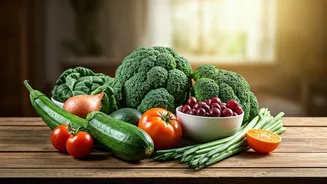
up correctly. This change is driven by a perfect storm of factors. A post-pandemic surge in health consciousness has made people more aware of immunity and metabolic health. Urban lifestyles demand more energy and mental clarity, putting a spotlight on what we eat to start the day. Furthermore, the digital age, with its endless stream of information from nutritionists and health influencers on social media, has empowered consumers to make more informed choices. The focus has moved from carb-heavy and often fried options to balanced meals that prioritise protein, fibre, and complex carbohydrates.
The Mighty Millet Makes a Comeback
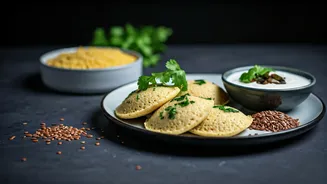
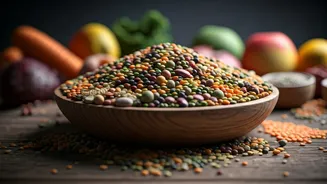
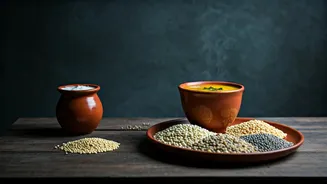
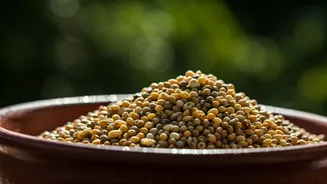
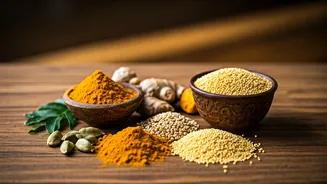
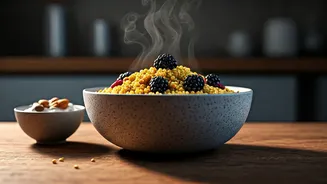
One of the most significant trends is the revival of ancient Indian superfoods, particularly millets. Grains like ragi (finger millet), jowar (sorghum), and bajra (pearl millet) are storming back into our kitchens. Once considered humble, rural staples, they are now celebrated for their impressive nutritional profiles. They are gluten-free, rich in fibre, and have a low glycemic index, which helps in managing blood sugar levels. This isn't just a grassroots movement; it's supported by government initiatives, such as the International Year of Millets. We're now seeing ragi dosas, jowar upma, and millet-based porridge replace their refined grain counterparts. Ready-to-cook millet mixes and breakfast cereals are flying off the shelves, offering a convenient way to incorporate these powerhouse grains into a busy schedule.
Protein Is the New Priority
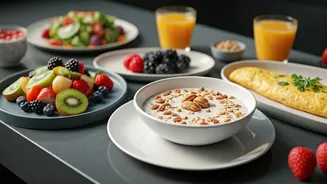
The traditional Indian breakfast can often be high in carbohydrates and low in protein. The new health-first approach is flipping that script. Consumers are actively seeking ways to pack more protein into their morning meal to promote satiety, build muscle, and maintain energy levels throughout the day. This has led to a surge in the popularity of eggs, which are being prepared in countless healthy ways beyond the simple omelette. Paneer bhurji, besan chilla (gram flour pancakes), and sprouted moong salads are also becoming breakfast regulars. For those on the go, protein shakes and bars have become an accepted and convenient option, a far cry from being seen as something only for bodybuilders. The goal is simple: start the day strong and avoid the mid-morning energy crash.
Smart Swaps and Mindful Eating
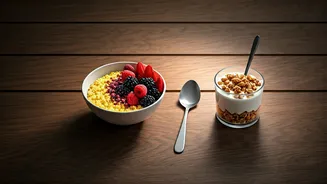
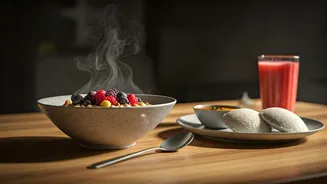
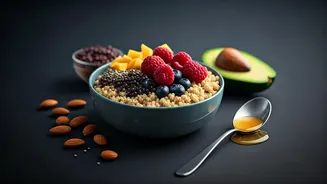
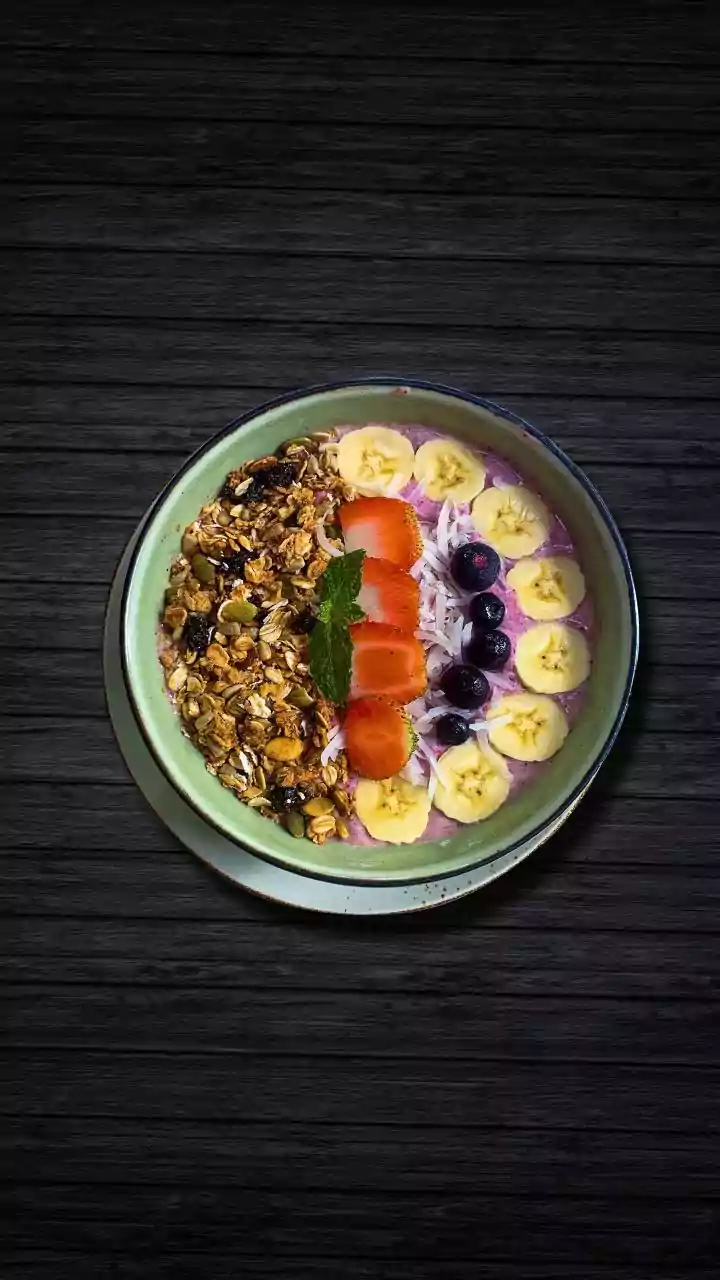
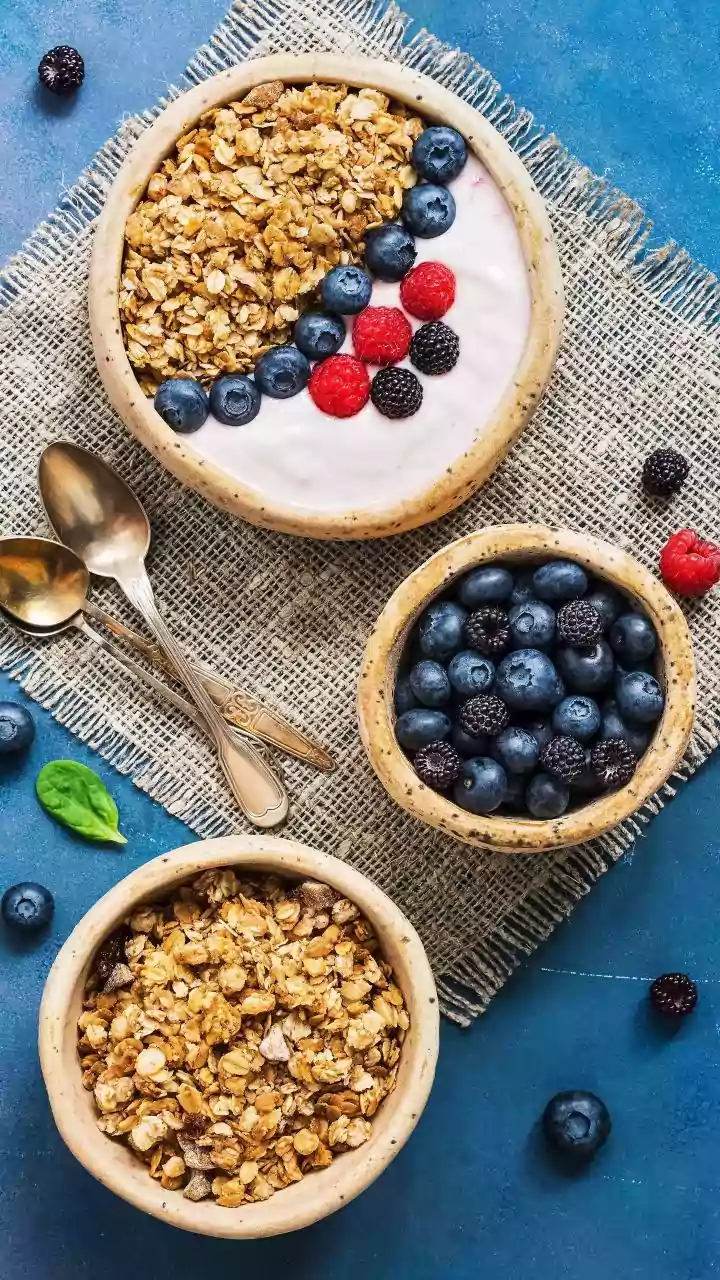
This health-first trend isn't about completely abandoning beloved traditional breakfasts, but rather about giving them a smart, healthy makeover. For instance, instead of deep-frying vadas, people are opting for steamed or air-fried versions. The classic poha is being loaded with more vegetables and peanuts and less sugar. The simple act of swapping white bread for whole wheat or multigrain toast is now standard practice in many households. There's also a growing awareness around portion control and mindful eating. The focus is shifting from a large, heavy meal to a smaller, more nutrient-dense one. Add-ons like chia seeds, flax seeds, and pumpkin seeds are being sprinkled over everything from oatmeal to yoghurt to add a boost of healthy fats and fibre.
Convenience Without Compromise
Perhaps the most critical element tying all these trends together is the demand for convenience. The modern Indian consumer has little time but high expectations. This has fuelled a boom in healthy, ready-to-eat and ready-to-cook breakfast options. Brands are offering everything from instant oats and masala muesli to vacuum-packed idli/dosa batter made with brown rice or millets. Smoothie packs with pre-portioned fruits, vegetables, and seeds allow for a nutritious blended breakfast in minutes. This trend proves that healthy eating doesn't have to be time-consuming. Consumers are willing to pay a premium for products that save them time without forcing them to compromise on their health goals, making the healthy choice the easy choice.