







Let There Be Air
Ventilation is your number one weapon against monsoon gloom. While it seems counterintuitive to open windows when it’s raining, seizing every dry spell is crucial. For at least 15-30 minutes a day, open windows and doors on opposite sides of your home
to create cross-ventilation. This simple act pushes out stale, moisture-laden air and invites fresh air in, preventing the build-up of that classic musty monsoon smell. If you have exhaust fans in your kitchen and bathrooms, run them for longer than usual, especially after cooking or showering, to expel excess humidity.
Battle the Damp Directly
High humidity is the root cause of many monsoon woes, including mould and mildew. You can actively reduce moisture in the air. Consider investing in a dehumidifier for particularly damp rooms or closets. For a DIY solution, place bowls of rock salt, uncooked rice, or silica gel packets in corners, cupboards, and shoe racks. These natural desiccants absorb ambient moisture effectively. Remember to replace them every few weeks as they become saturated. Wiping down damp walls and windows with a dry cloth also helps prevent water from settling and encouraging fungal growth.
Protect Your Wardrobe
Closets are breeding grounds for musty odours and mildew on clothes. To protect your garments, ensure they are bone-dry before storing them. Avoid packing clothes too tightly; leave some space for air to circulate. Placing camphor balls, neem leaves, or lavender sachets inside your wardrobe not only repels insects but also imparts a pleasant fragrance and absorbs moisture. For expensive or delicate fabrics like silk and wool, consider storing them in vacuum-sealed bags for the duration of the season. Leave the wardrobe doors ajar for a few hours on dry, sunny days.
Care for Wooden Furniture
Wood is hygroscopic, meaning it absorbs moisture from the air, which can cause it to swell, warp, and even grow mould. Keep wooden furniture at least six inches away from damp walls. Regular dusting is important, but avoid using a wet cloth. Instead, opt for a dry, soft microfiber cloth for daily cleaning. Once or twice during the season, you can apply a light coat of wax or polish to create a protective barrier against moisture. For any signs of mould, clean the spot immediately with a solution of white vinegar and water.
Keep Pests at Bay
The damp weather invites a host of unwelcome guests, from insects to rodents. Keep your kitchen meticulously clean, storing all food in airtight containers and disposing of garbage daily. Seal any cracks or holes in walls and around pipes to block entry points. For a natural insect repellent, boil neem leaves in water and use the strained liquid to mop the floors. A few drops of citronella, lemongrass, or peppermint essential oil on cotton balls placed near windows and doors can also deter crawling and flying insects effectively.
Freshen Up Your Floors and Fabrics
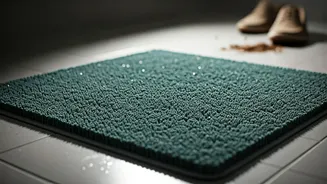
Carpets and heavy rugs are moisture magnets during the monsoon. If possible, it's best to roll them up and store them away for the season. If you must keep them, vacuum them frequently and consider using a professional cleaning service before and after the monsoon. For flooring, add a capful of disinfectant or white vinegar to your mopping water to kill germs and neutralise odours. To bring a fresh scent into your home, light aromatic candles or use an essential oil diffuser with uplifting scents like lemon, eucalyptus, or tea tree.