








Answering the Rain's Call
There’s a certain magic to the monsoon that shifts our appetites. The desire for crisp salads and cool drinks fades, replaced by a yearning for something soupy, warm, and deeply satisfying. This isn't just a flight of fancy; it's a biological response.
The damp, cool weather and reduced sunlight can affect our mood and metabolism. Our bodies instinctively seek out food that is not only physically warming but also emotionally grounding. We crave meals that feel like a hug from the inside, and across the length and breadth of India, one dish answers that call more perfectly than any other.
Enter: The Humble Hero
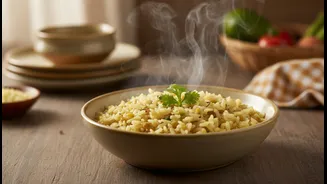
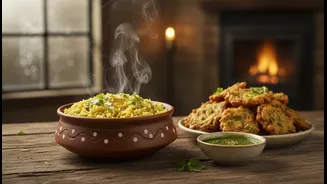
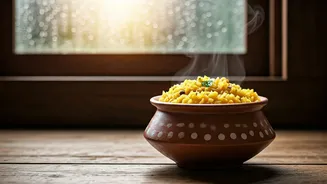
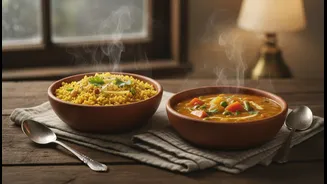
We're talking about Khichdi. Dismissing it as mere 'sick person's food' is a gross injustice to this culinary champion. At its core, it is a simple, one-pot dish of rice and lentils, but this simplicity is its genius. It is a blank canvas that has been painted with the unique flavours of every region in India for centuries. From the watery, soothing texture given to a baby as their first solid meal to the rich, ghee-laden versions served at festivals, Khichdi is a testament to the idea that the most profound comfort often comes from the simplest things. It's the meal that has nourished us through fevers, celebrated harvests, and, most importantly, comforted us on countless rainy afternoons.
Ancient Wisdom in a Bowl
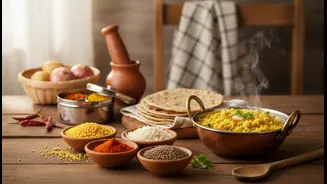
The monsoon's association with Khichdi is rooted in the ancient wisdom of Ayurveda. According to Ayurvedic principles, the monsoon season, or 'Varsha Ritu', is a time when our digestive fire ('agni') is at its weakest. The humidity and water-borne pathogens make our bodies more susceptible to indigestion and illness. Ayurveda recommends foods that are light, warm, and easy to digest. Khichdi fits this description perfectly. The combination of rice (a simple carbohydrate) and lentils (protein) creates a complete amino acid profile, making it a wholesome meal. More importantly, it is incredibly gentle on the stomach. When spiced with digestive aids like ginger, turmeric, cumin, and asafoetida (hing), it actively helps stoke the digestive fire, keeping gut health in check during a vulnerable season.
A Dish of a Thousand Faces
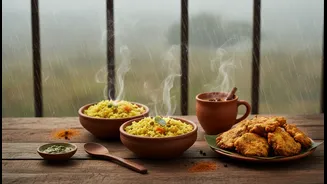
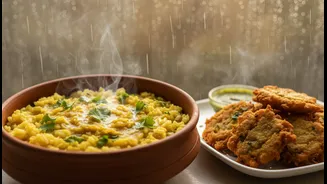
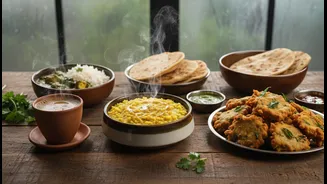
The true beauty of Khichdi lies in its adaptability. It’s a dish that wears a different personality in every kitchen. In Gujarat, you’ll find the savoury 'Vaghareli Khichdi', tempered with mustard seeds and curry leaves, often served with a tangy 'kadhi'. Head east to Bengal, and during a rainy day, the 'Bhuna Khichuri' takes centre stage—a spicier, richer version cooked with roasted moong dal, seasonal vegetables, and an array of aromatic spices, often paired with a fried Hilsa fish or a vegetable fritter ('beguni'). In the South, its cousin 'Bisi Bele Bath' is a complex, flavour-packed dish made with rice, lentils, vegetables, and a special spice powder. This incredible diversity means there is a Khichdi for every palate and every mood, yet the core promise of comfort remains unchanged.
Completing the Ritual
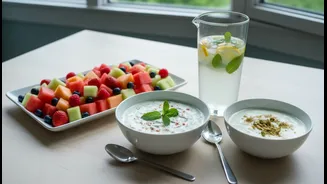
A bowl of Khichdi is incomplete without its loyal companions. This supporting cast elevates the experience from a simple meal to a cherished ritual. The quintessential 'chaar yaar' (four friends) of Khichdi are ghee, dahi, papad, and achaar. A generous dollop of pure ghee not only adds a rich, nutty flavour but also aids digestion. A side of cool, plain curd provides a balancing tartness and probiotics. The crunchy, roasted or fried papad offers a delightful textural contrast. And finally, a spoonful of sharp, spicy pickle cuts through the comforting mushiness, adding a burst of excitement to every bite. Together, they create a symphony of flavours, textures, and temperatures that is both simple and sublime.