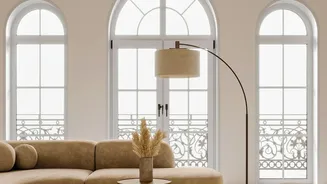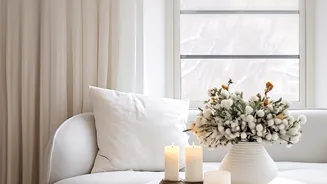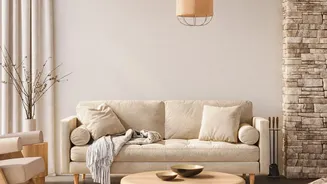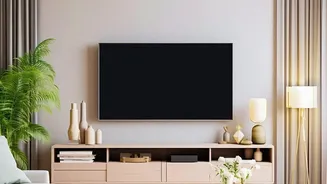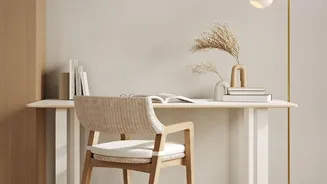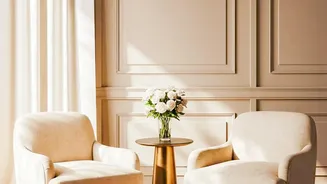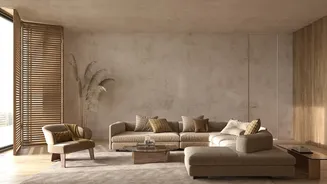



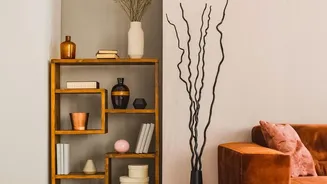
A neutral palette promises sophistication and calm, but can easily end up feeling flat and uninspired. The secret to a rich, dynamic neutral room isn't more color—it's texture. Here’s how to master the art of layering for a truly elevated space.
Why Neutrals Can Fall Flat
Neutral
interiors, from creamy whites and beiges to soft greys, are timeless for a reason. They create a serene backdrop that feels both elegant and versatile. However, they come with a common pitfall: without careful execution, they can feel sterile, boring, or one-dimensional. When every surface has a similar smooth finish, the room lacks depth and visual interest. This 'matchy-matchy' approach, where a single shade of beige or grey dominates everything from the walls to the sofa, is often what gives neutrals a bad reputation for being bland. The key to avoiding this is to shift the focus from color to material.
Texture: The Secret to Depth and Warmth
Texture is what gives a neutral room its soul. It refers to the surface quality of a material, and it engages our senses beyond just sight, adding warmth, depth, and character. Different textures interact with light in unique ways; smooth surfaces reflect it, making colors appear brighter, while rougher surfaces absorb and scatter light, creating subtle shadows that add richness. This interplay between materials is what prevents a room from feeling uniform. By incorporating a variety of finishes—soft, rough, smooth, and woven—you create a dynamic space that feels curated and inviting, even within a restrained color palette.
How to Mix and Match Materials
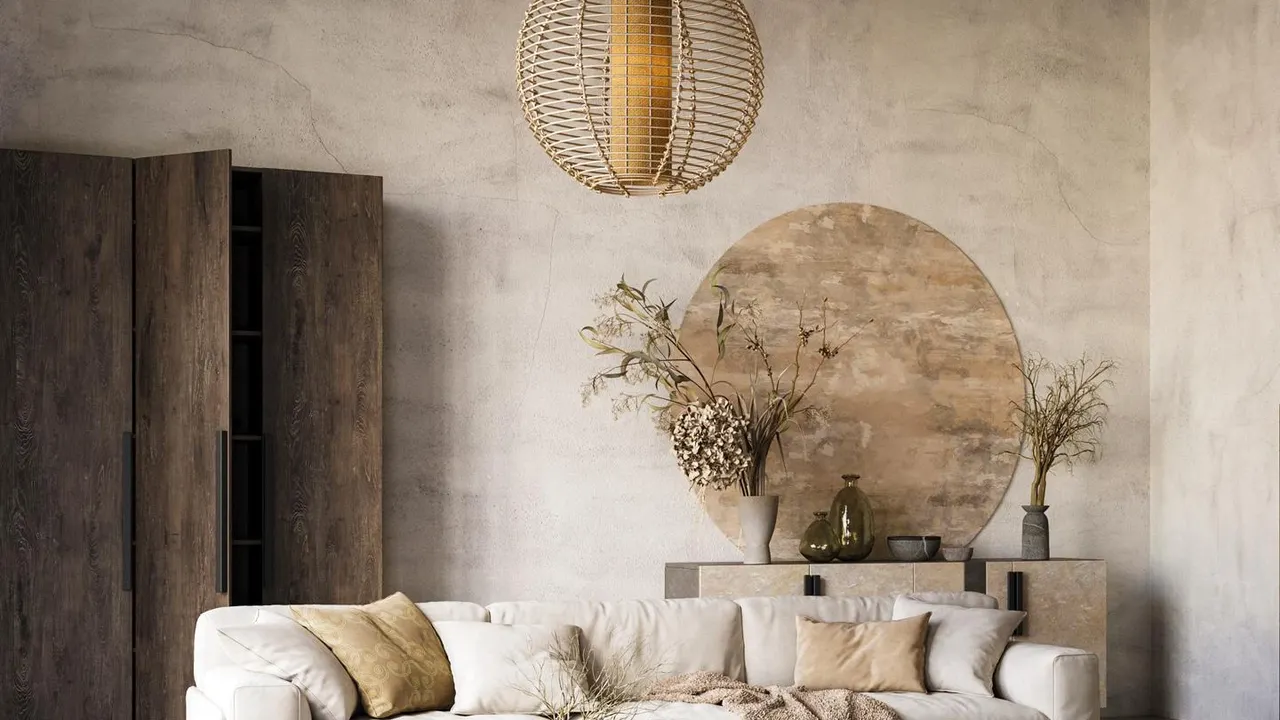
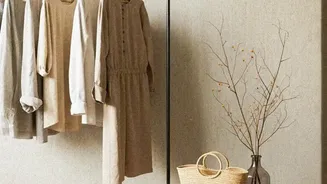
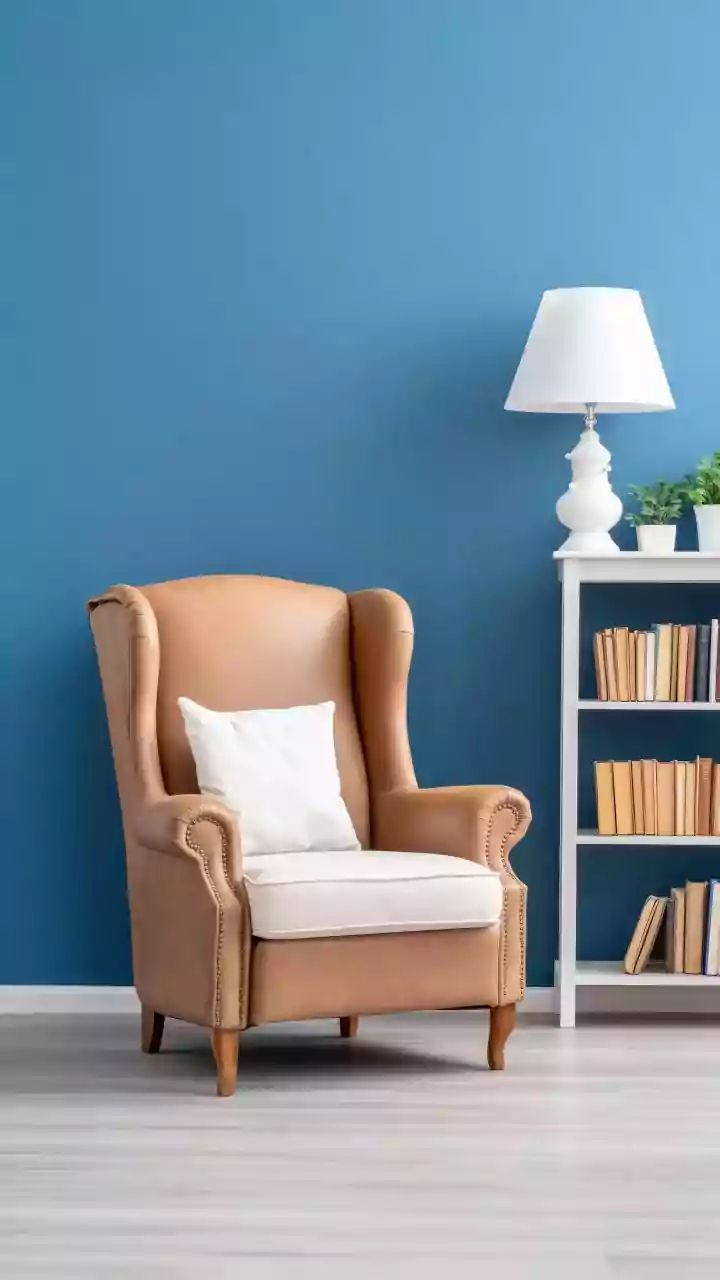
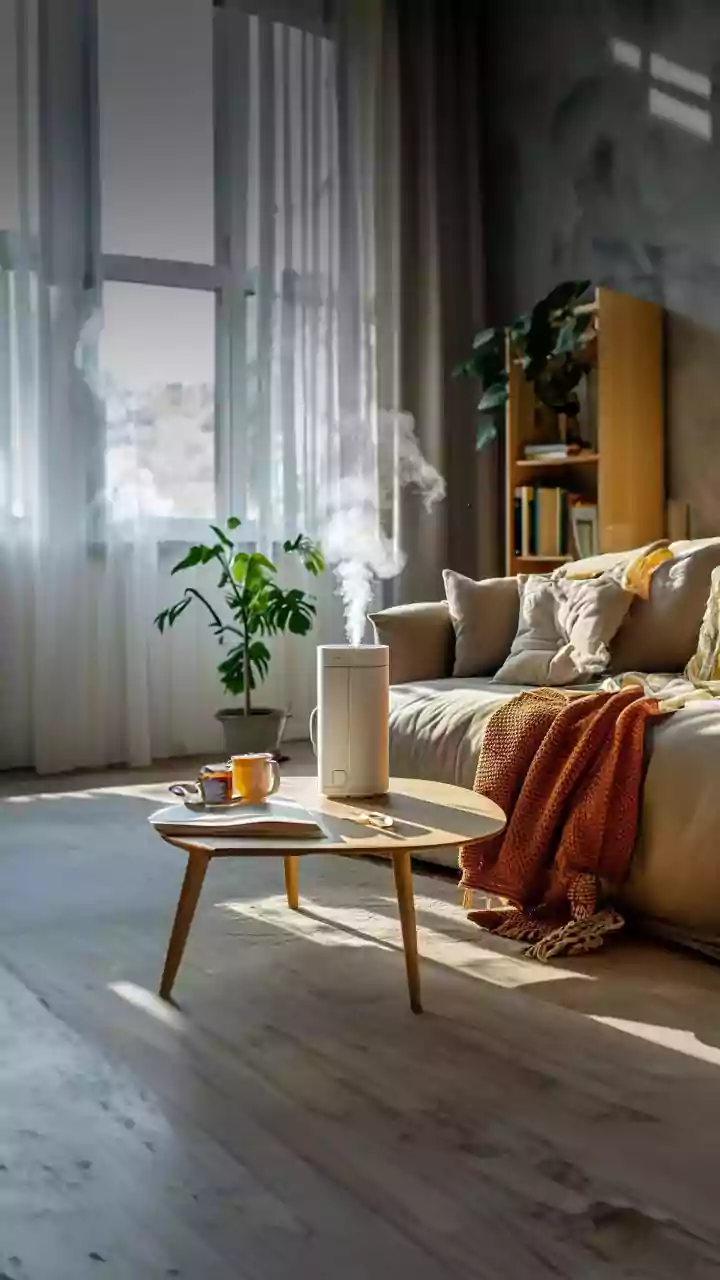
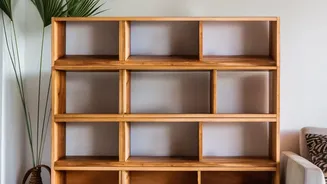
The core principle of layering is creating contrast through texture. A simple rule of thumb is to pair opposite textures to create balance. Think of placing a chunky, nubby wool throw over a smooth leather armchair, or a sleek metal lamp on a rustic wood side table. Aim to include at least three different textures in every room. Good materials to start with include soft textiles like linen, bouclé, and velvet for upholstery and cushions. Contrast these with harder, structured elements like wood, stone, ceramic, or metal. Natural, organic materials such as jute, rattan, and woven baskets are especially effective at grounding a space and making it feel more authentic and lived-in.
Don't Just Stick to One Shade
Layering textures works even better when you also layer different tones within the same neutral family. A common mistake is thinking a neutral room has to be strictly monochromatic. Instead, think of a broader palette of soft whites, creamy ivories, warm taupes, and gentle greys. Using several different shades of neutrals adds a sophisticated complexity. For example, a soft ivory sofa placed against warm white walls, with a slightly deeper beige armchair, creates subtle dimension without disrupting the calm atmosphere. This tonal variation works with the different textures to make the room feel complete and thoughtfully designed.
Bringing the Look to Life
To put it all into practice, start with the largest surfaces first. Begin with your foundation, like a wood floor or a large area rug made of a natural fiber like wool or jute. Next, add your main upholstered furniture, choosing a tactile fabric like linen or a soft cotton blend. From there, build your layers. Add window treatments like softly woven curtains to filter light and prevent the room from feeling stark. Finally, introduce the smaller, more flexible elements: pillows and throws in contrasting textures like velvet, knit wool, or bouclé. Finish with decorative objects made from ceramic, stone, or metal to provide a final layer of smooth, hard contrast against the softer textiles.